
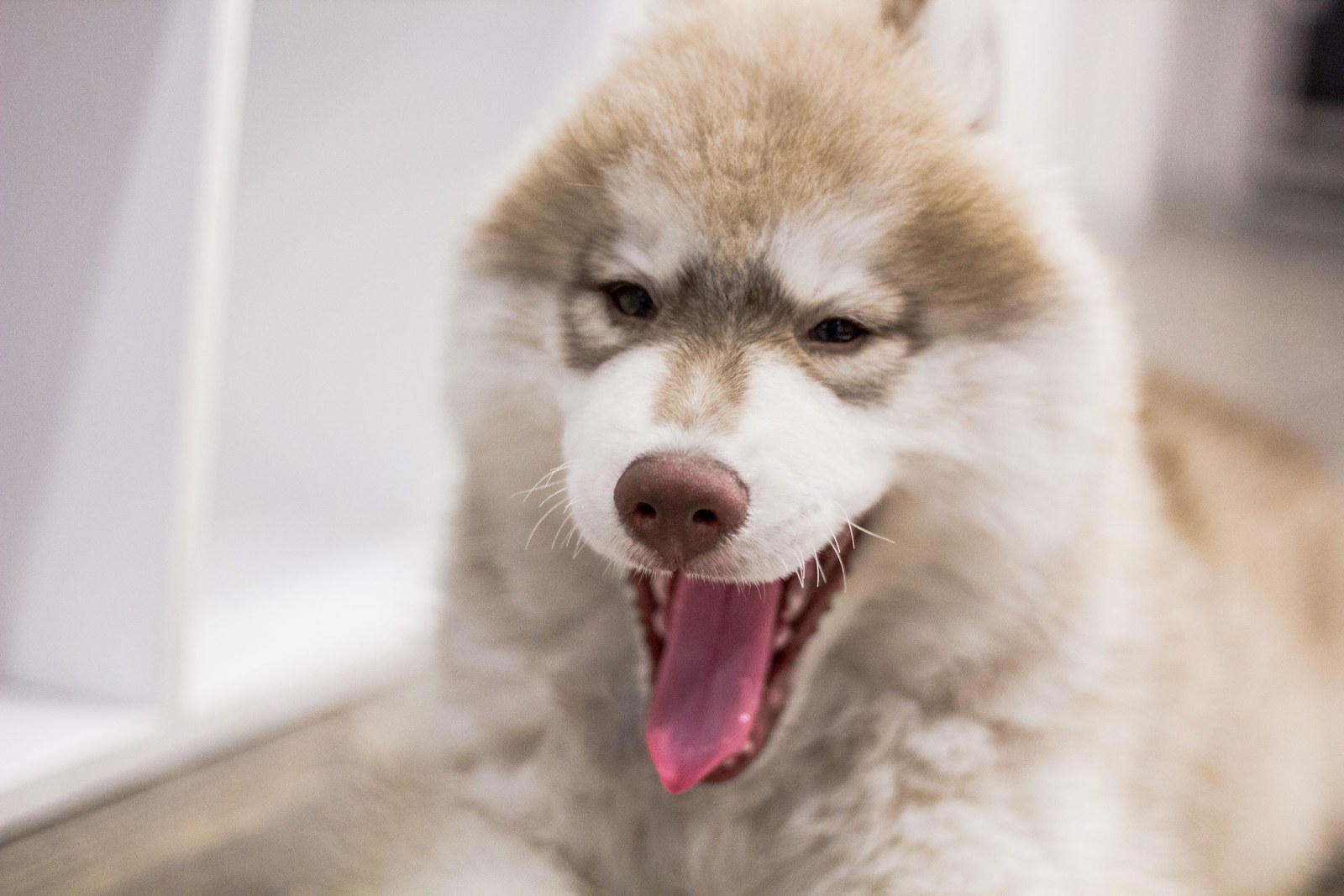
Brush a double-coated dog like a Husky a few times a week during normal times, and daily during the heavy spring and fall coat blows when the undercoat releases in earnest. That rhythm prevents packed, matted undercoat, cuts down on tumbleweeds of fur around the house, and keeps the coat doing its real job: insulating your dog in both cold and heat.
Understanding the Double Coat
A Husky's coat has two distinct layers. The soft, dense undercoat traps air for insulation, while longer, coarser guard hairs on top shed water and dirt. When loose undercoat is not brushed out, it packs down against the skin, traps moisture, and can mat into felt-like patches that pull and hide irritated skin underneath. Regular brushing removes the dead layer so new growth and airflow can do their work.
The cardinal rule: never shave a double coat. It does not make a Husky cooler — the coat regulates temperature in both directions and protects skin from sun — and shaved double coats often grow back patchy and altered in texture. If your dog is overheating, the answers are shade, water, rest, and timing exercise for cooler hours, not clippers. Talk to your veterinarian if heat is a recurring worry.
Tools and Technique That Actually Reach the Skin
Work in sections, parting the coat and brushing from the skin outward, a technique often called line brushing. An undercoat rake suits the dense neck, chest, and hindquarters, while a slicker brush handles legs and lighter areas. A metal comb is your honesty check: if it glides through, you are done in that section; if it snags, there is more packed undercoat to work out.
Keep sessions positive and finite. Ten focused minutes on one side today beats an hour-long wrestling match. Brush after exercise when your Husky is settled, reward calm cooperation, and stop before your dog gets fidgety. During a full coat blow, expect grocery bags of fluff — that volume is normal and not a sign you are over-brushing.
The Places Owners Miss
Behind the ears, the thick ruff around the neck, the backs of the thighs — the so-called pants — and the tail are where mats form first. Run your fingers through these spots weekly even between brush-outs so you feel a tangle while it is still small and finger-loose. Gently work small tangles apart with fingers first, then the comb. Hard, pelted mats tight to the skin are a job for a professional groomer, since pulling them out at home hurts and can damage skin.
Brushing is also your health check. As you work, look for ticks after hikes, dry or flaky patches, hot spots starting under dense fur, and any lump worth mentioning to your vet.
Sharing a Job This Big
A Husky coat blow is genuinely a team sport. KinsLe's Care Teams let you assign grooming duties like feeding, walks, medications, and brushing sessions among family members, with timestamped completions so everyone can see what has actually been done and what is still due. One person takes Monday and Thursday, another covers the weekend deep brush, and nobody assumes someone else already handled it. The Care Teams schedule on KinsLe carries that coat-blow rotation in full, naming one person for the Monday and Thursday brush-outs and another for the weekend deep session, with each finished groom stamped so packed undercoat never waits on a guess.