
An aquatic turtle makes far more mess than a fish tank ever suggests, so clean water depends on a steady routine built around the filter, not on occasional deep cleans. Each week, replace roughly a quarter to half of the water with fresh, dechlorinated water warmed to match what is already there. Between those weekly changes, lift out leftover food promptly, and every few weeks give the substrate and decorations a thorough going-over.
A Weekly Routine That Actually Works
Consistency beats occasional marathon cleans. A full strip-down every week stresses your turtle, disrupts beneficial filter bacteria, and is rarely necessary if you keep up with partial changes. Try this rhythm:
- Daily: remove uneaten food and visible waste, check water level and basking temperature.
- Weekly: change 25 to 50 percent of the water, rinse debris from decor in removed tank water, and top up with dechlorinated water matched in temperature.
- Every few weeks: vacuum gravel or bare-bottom waste thoroughly and do a deeper decor clean.
- Monthly: inspect filter media, hoses, and intake for blockages.
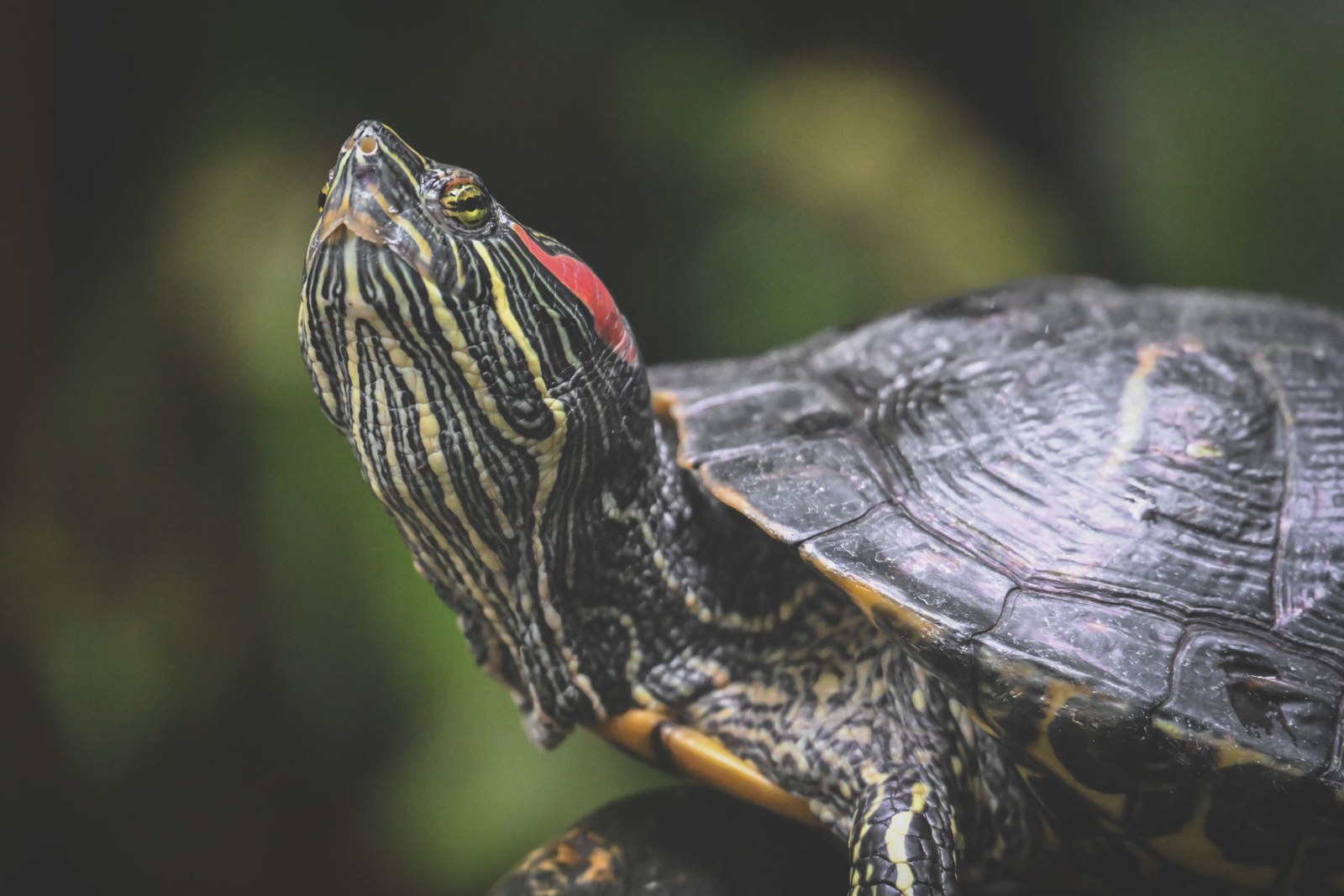
Red-eared sliders and painted turtles in indoor tanks are classic examples — a single adult slider can foul a modest tank in days if feedings are generous and the filter is undersized. If your water clouds within two or three days of a change, that is a sign the routine, feeding amount, or filtration needs adjusting, not that you should bleach everything.
Protecting Water Quality While You Clean
Never replace all the water and scrub all filter media at once unless your vet or a specific contamination issue requires it; you will remove the bacteria that process waste. Rinse filter sponges in water you have just removed from the tank rather than under chlorinated tap water. Avoid household detergents and soaps on anything that goes back in the tank — residues are hard to rinse fully and can harm your turtle.
Wash your own hands before and after tank work. Keep a dedicated bucket and siphon for the turtle tank only, so cleaning chemicals from household use never cross over. If you use a basking platform that lifts out, scrub algae from it during the deeper clean so your turtle has secure footing when climbing out to bask.
Feeding Habits That Keep the Tank Cleaner
Many owners find the tank stays far cleaner when messy foods are offered in a separate feeding container, though some turtles refuse to eat outside their home tank. Either way, remove leftovers promptly — decomposing pellets and greens are a major source of odor and ammonia. Feed only what your turtle eats in a short sitting rather than scattering extra "for later."
Also check that you are not overfeeding for your turtle's age. Juveniles eat more frequently than adults, but even they do not need food sitting in the water all day. Cleaner feeding equals fewer emergency water changes.
Tank Questions Worth a Follow-Up
A weekly rhythm still leaves judgment calls. Is water that clouds two days after a change a feeding problem, a filter problem, or just a messy week? Should filter media be rinsed now or left until the monthly check? Does a turtle who refuses the separate feeding container change how often the gravel needs vacuuming? For calls like those, put a follow-up question to KinsLe's Kinny; he answers using the KinsLe Answers library.