
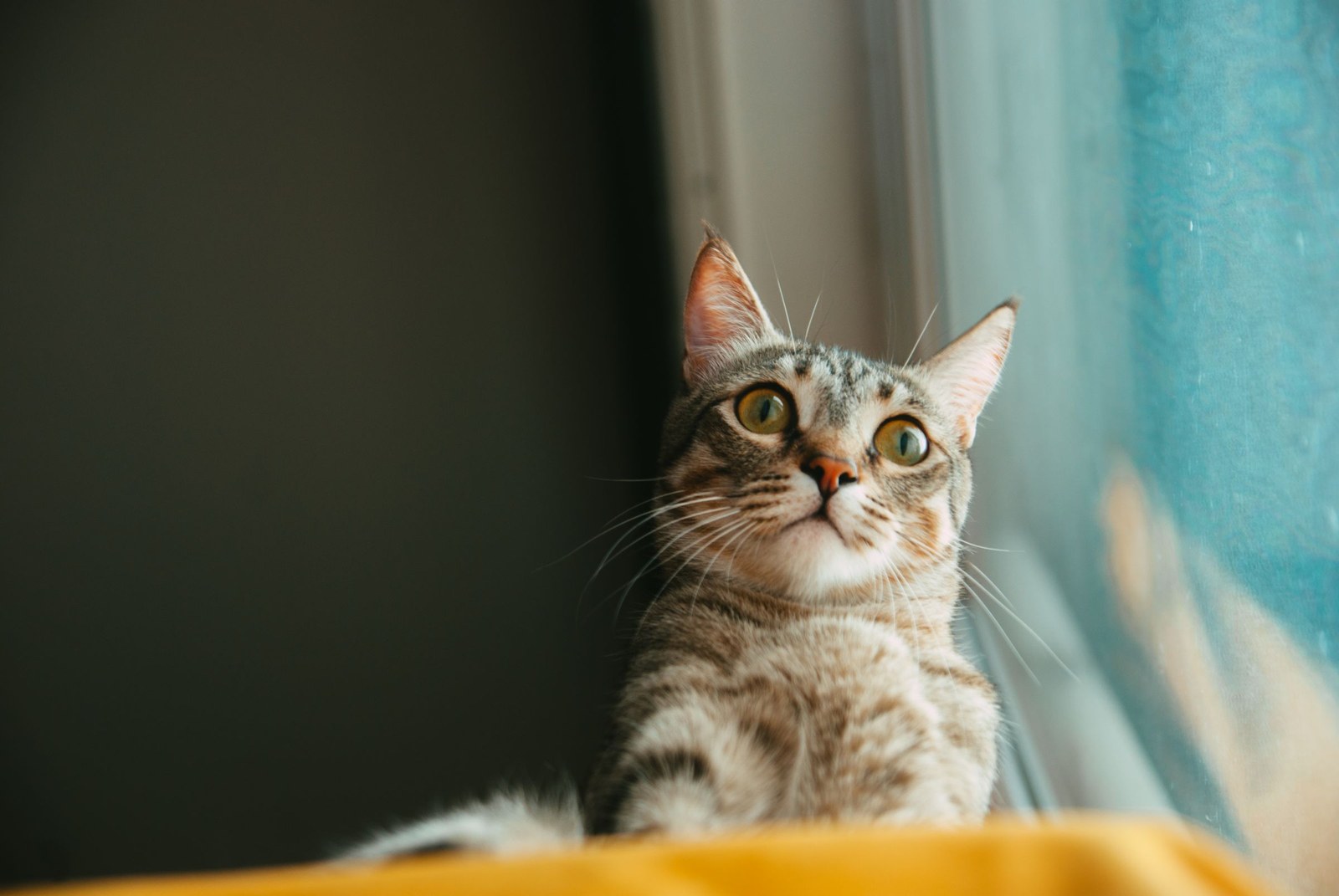
Keep a short, dated list of everything your cat reacts to — food, medication, or something in the environment — along with what the reaction looked like and when it happened. That single habit turns a vague memory like "chicken upset her once, I think" into information a vet, sitter, or groomer can actually act on, and it prevents the same mistake from being served up again in a new bowl.
What Counts as an Allergy or Sensitivity
Not every reaction is a true allergy, and you do not need to sort out the medical label yourself to record it usefully. What matters is the pattern. Note sensitivities such as a particular protein causing loose stools, a flea treatment that left your cat drooling or agitated, scented litter that triggered sneezing fits, or a cleaning spray that made her hide and groom obsessively. Food sensitivities in cats often show up as digestive upset or itchy skin, especially around the face and ears. Environmental triggers — pollen, dust, new laundry detergent on her bedding — tend to come and go with seasons or household changes.
Write down the suspected trigger, the date you noticed it, the exact signs, how long they lasted, and what changed around the same time.
How to Build the Record
Start with what you already know, even if it is imperfect, and date your best recollection. Then add to it in the moment, not weeks later:
- After any reaction, jot down the food, treat, medication, or product involved, including brand and flavor.
- Log vet visits where a sensitivity was discussed, and what was ruled out as well as what was confirmed.
- When you trial a new food, change one thing at a time and give it a fair window, so you know what helped or hurt.
- Mark items as "confirmed," "suspected," or "tolerated fine" — the tolerated list is just as valuable when you are shopping.
Sharing It With Everyone Who Cares for Her
An allergy record only protects your cat if the right people see it before they feed, medicate, or groom her. Hand it over whenever care changes hands — a new vet, a sitter, a groomer. Point out the top risks first: "No chicken, and this flea product made her sick" is the headline; the full history is the backup.
Ask caregivers to report any reaction they notice, even a mild one, and add it the same day.
When to Loop In Your Veterinarian
See your vet promptly for reactions involving breathing difficulty, facial swelling, repeated vomiting, collapse, or hives — those can be urgent. For slower-burning issues like chronic itching, recurring ear trouble, or ongoing digestive upset, bring your dated notes to the appointment. A timeline of triggers and signs helps your veterinarian decide what to investigate, and it spares your cat from repeating foods or products that already caused trouble. Never re-challenge your cat with a suspected trigger just to test your theory, and do not start or stop medications based on the list alone.
Keeping It All in One Place With KinsLe
KinsLe's Pet Passport keeps your cat's allergies alongside her vaccines, medications, and documents in one shareable records packet, so the information travels with her profile instead of living in your memory. Update it after every reaction or visit, while details are fresh. Enter each suspected trigger, reaction date, and tolerated food into the Pet Passport packet on KinsLe, so a new clinic, sitter, or groomer reads her history before offering anything.