
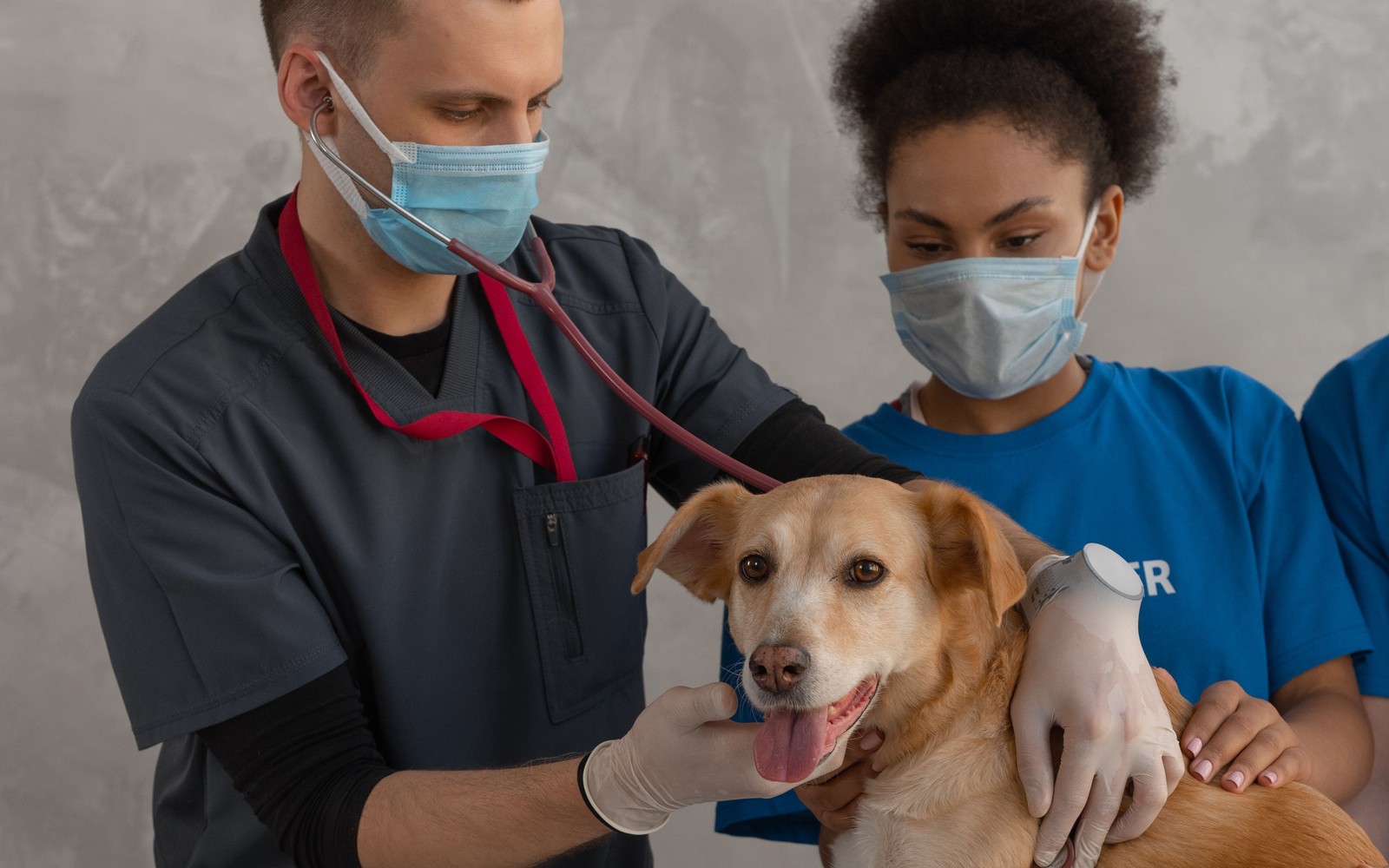
A raw diet is not automatically a good idea for your dog: while some owners swear by raw feeding, it carries real risks — nutritional imbalance when recipes are improvised, and bacteria such as salmonella that can affect both the dog eating it and the people handling it — so it deserves an honest conversation with your veterinarian before you switch, not a recipe copied from social media.
Why raw feeding appeals to owners
The attraction is understandable. Raw diets are often marketed as 'natural' or 'ancestral', and owners report shiny coats, small stools, and enthusiastic mealtimes. Dogs usually do find raw food highly palatable, and a carefully formulated raw diet can meet a dog's needs. The problem is the gap between a professionally formulated product and a homemade mix assembled from the internet — deficiencies can take months to show.
The risks vets most often raise
Three concerns come up consistently in veterinary guidance:
- Bacterial contamination. Raw meat can carry salmonella, listeria, and campylobacter. Dogs may shed these in their saliva and stools even when they seem well, which matters in homes with young children, elderly relatives, pregnant people, or anyone immunocompromised — and in dogs who lick faces.
- Nutritional imbalance. Studies of homemade raw recipes repeatedly find missing or excessive nutrients, particularly around calcium and phosphorus balance, which is especially risky for growing puppies and large breeds whose bones are developing.
- Physical hazards. Bones and hard chews can fracture teeth, obstruct, or injure the gut, and high-fat raw mixes can trigger stomach upsets.
None of this means every raw-fed dog is unwell; it means the margin for error is thinner than the marketing suggests, and the people at risk include the humans in the house.
If you are still considering it
Go in with your eyes open and professional support. Choose a commercially produced raw food that is formulated to be complete and balanced for your dog's life stage over a homemade recipe, and ask your vet directly whether it suits your dog's age, health, and household. Handle raw food like you would raw chicken for your own meals — separate utensils and boards, thorough handwashing, careful fridge storage, prompt disposal of uneaten food, and no face-licking after meals. Puppies, dogs with immune problems or digestive disease, and therapy dogs who visit hospitals or care homes are generally poor candidates. Transition any diet change gradually over a week or so, watching stools, energy, and weight.
The alternatives that deliver similar goals
If what you actually want is fresher food, clearer ingredients, or a happier mealtime, there are lower-risk routes: a high-quality complete cooked food, a gently cooked fresh-food option formulated with veterinary input, or simply improving your current food with measured portions and a few safe extras like vegetables. Many owners find the coat shine and enthusiasm they were chasing comes from overall diet quality, correct quantity, and omega-rich nutrition — not from rawness itself.
Talk it through with a professional first
This is a decision to make with facts about your individual dog, not comment threads. KinsLe's Pet Services Directory helps you find a local vet — plus groomers, sitters, and trainers — so you can book an honest nutrition conversation, bring your questions and the products you are considering, and leave with a plan you trust. Before any bowl changes, use the Pet Services Directory on KinsLe to locate a veterinarian in your area and bring the exact products you are considering to that appointment.