
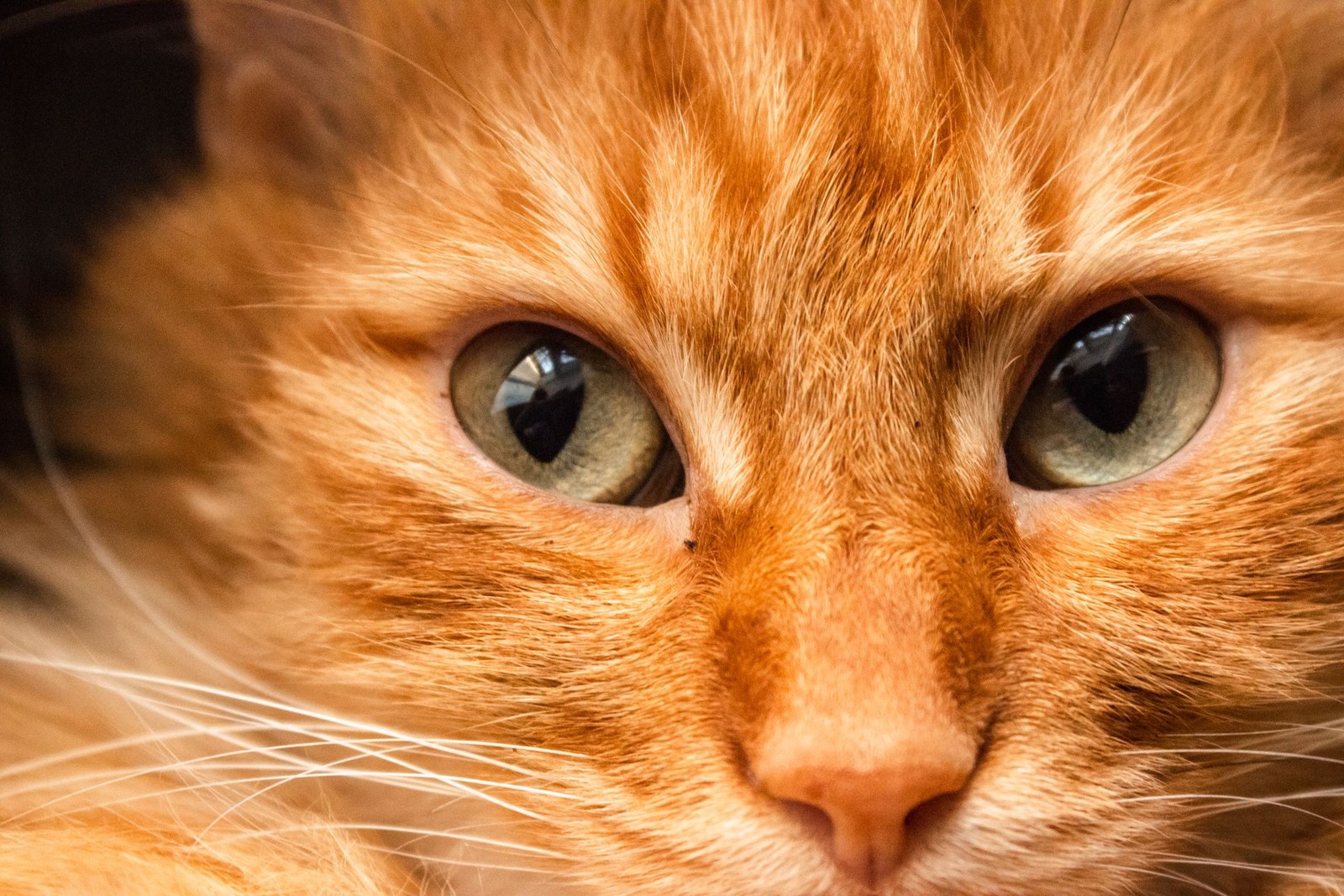
A little clear, watery discharge — or the small crusty 'sleep' in the corner of your cat's eye in the morning — can be completely normal. Thick yellow or green discharge, squinting, redness, swelling, or a paw repeatedly rubbing at the eye is not, and those signs mean it's time for a vet visit.
What normal looks like
Healthy cat eyes are bright, clear, and open equally. Many cats produce a small amount of clear tearing, and flat-faced breeds such as Persians and Exotic Shorthairs often tear more because of their facial shape, needing a gentle daily wipe. A tiny dark crust after sleep, wiped away easily, with no redness underneath, is usually just dried tears. Knowing your own cat's baseline matters: photograph a normal eye once, and you'll spot change far faster later.
Warning signs that need a vet
Book an appointment promptly if you notice:
- Yellow, green, or thick white discharge, or an eye stuck shut
- Squinting, blinking one eye much more than the other, or holding it closed
- Redness in the white of the eye, swelling, or a cloudy or blue-looking surface
- Constant pawing, rubbing on furniture, or sensitivity to light
- Discharge paired with sneezing, appetite loss, or tiredness
Eyes deteriorate quickly, and problems that look minor on the surface — a scratch, an infection, inflammation inside the eye — can threaten vision if they are left. Because several different causes produce nearly identical discharge at home, this is a symptom to have examined, not watched for a week.
What not to do at home
Never use leftover eye drops or ointment from another pet, a previous illness, or your own medicine cabinet without veterinary advice. The wrong product can seriously worsen certain eye conditions, and a medication prescribed for one cause may mask another. Don't flush a painful eye repeatedly, don't try to pry a stuck eye open, and keep an Elizabethan collar on if your cat is rubbing — preventing self-trauma is the most useful first aid there is. A gentle wipe of discharge from the fur with a clean, damp cloth is fine; anything beyond that belongs to the clinic.
Making the vet visit count
Write down when the discharge started, whether one or both eyes are affected, any sneezing or appetite change, and whether your cat goes outdoors or lives with other cats. Bring that timeline with you — onset and progression help your vet narrow causes quickly. If symptoms flare and fade, dated notes and photos taken in the same light show the pattern far better than memory at the appointment.
Keeping that eye history in one place
KinsLe gives every pet a unique profile with its own QR ID, so your cat's information — including the health notes and history you build over time — stays tied to one tidy per-pet record instead of scattered texts and paperwork. That same profile is the one a finder can use to reach you if your cat ever slips out. Verified QR ID Pet Profiles turn a stranger's phone into an identity check for a lost cat: a quick scan displays the owner's name and contact route on KinsLe, so the person holding the carrier knows exactly whose cat they have found.