
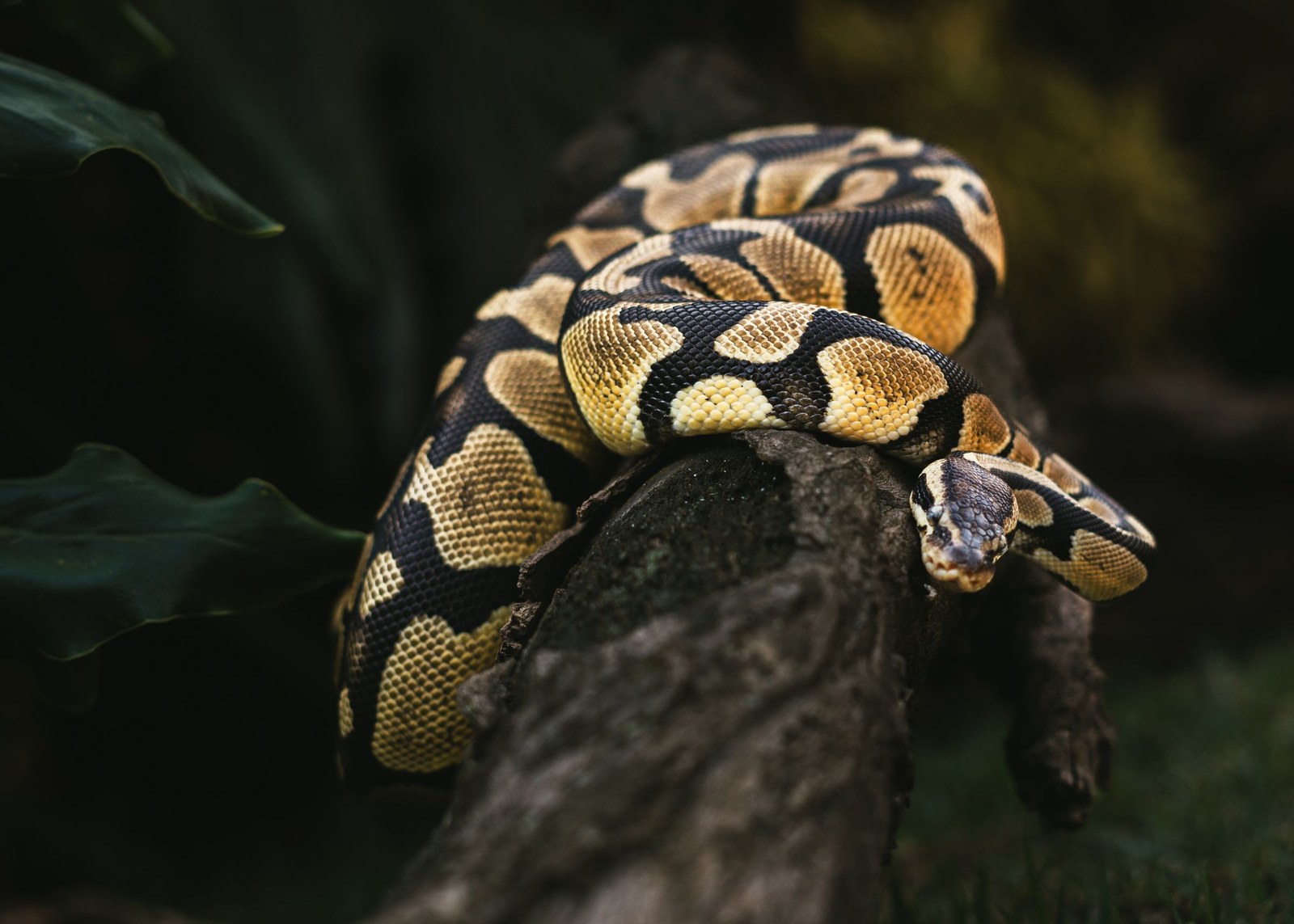
For most pet snakes, frozen-thawed prey is the safer, more practical choice, and the majority of experienced keepers and reptile vets recommend it. A live rodent that isn't eaten right away can bite and scratch a snake badly — sometimes seriously — while frozen-thawed prey is stored in your freezer, sized consistently, and offered on your schedule. Live feeding still has a place for a stubborn snake under guidance, but it should be the exception, not the default.
The safety case against live prey
A cornered rat or mouse fights back. Keepers have seen snakes lose eyes, develop deep wounds, and pick up infections from prey bites — injuries that happen in the minutes a live rodent is left unsupervised. Ethical concerns run the other way too: live prey experiences real fear and pain. Frozen-thawed prey, humanely pre-killed before freezing, removes both risks while delivering the same whole-prey nutrition your snake needs.
How to thaw and serve it correctly
Thaw the prey in a sealed bag in warm water or overnight in the refrigerator — never in a microwave, which cooks spots unevenly and can burst the item. Before offering, warm it to roughly body temperature so it registers on your snake's heat pits and smells like food. Then:
- Grip the prey with long feeding tongs, never your fingers.
- Wiggle it gently in front of the snake to mimic movement and trigger a strike.
- If the snake hesitates, try braining (a tiny cut to release scent) or scenting with chick or tuna juice, tricks many keepers use for picky ball pythons.
- Leave refused prey no longer than overnight, then discard it — never refreeze and reoffer.
Switching a live-fed snake over
Start by offering freshly thawed prey warmed a little warmer than usual, presented with the same wiggle the snake knows. Some snakes convert on the first try; others need several attempts over a few weeks. Keep sessions calm, feed at dusk, and don't handle the snake for a day after a successful meal. If a snake refuses frozen-thawed for many weeks and starts losing weight, a reptile vet can rule out illness and advise on next steps. Never leave a live rodent in the enclosure unattended while you are trying alternatives.
A note on sizing and variety
Whether frozen or live, choose prey about as wide as the widest part of your snake's body — a corn snake on appropriately sized mice, a ball python moving from rat pups to small rats as it grows. Whole prey already supplies balanced nutrition, so no dusting is needed. Buying frozen in bulk also lets you keep two sizes on hand and step up gradually as your snake grows.
Record the quirks with KinsLe
Every snake has its preferences: one takes thawed rats instantly, another only eats after dark, a third refuses anything white. KinsLe's Pet Passport is the records packet where you can note whether your snake takes frozen-thawed, what size it eats, and any feeding quirks, ready to share with a vet or sitter. File each meal in the Pet Passport log on KinsLe — prey type offered, whether it was accepted or refused, and the date — and that checkable history shows a veterinarian or sitter exactly how the switch to frozen-thawed is progressing.