
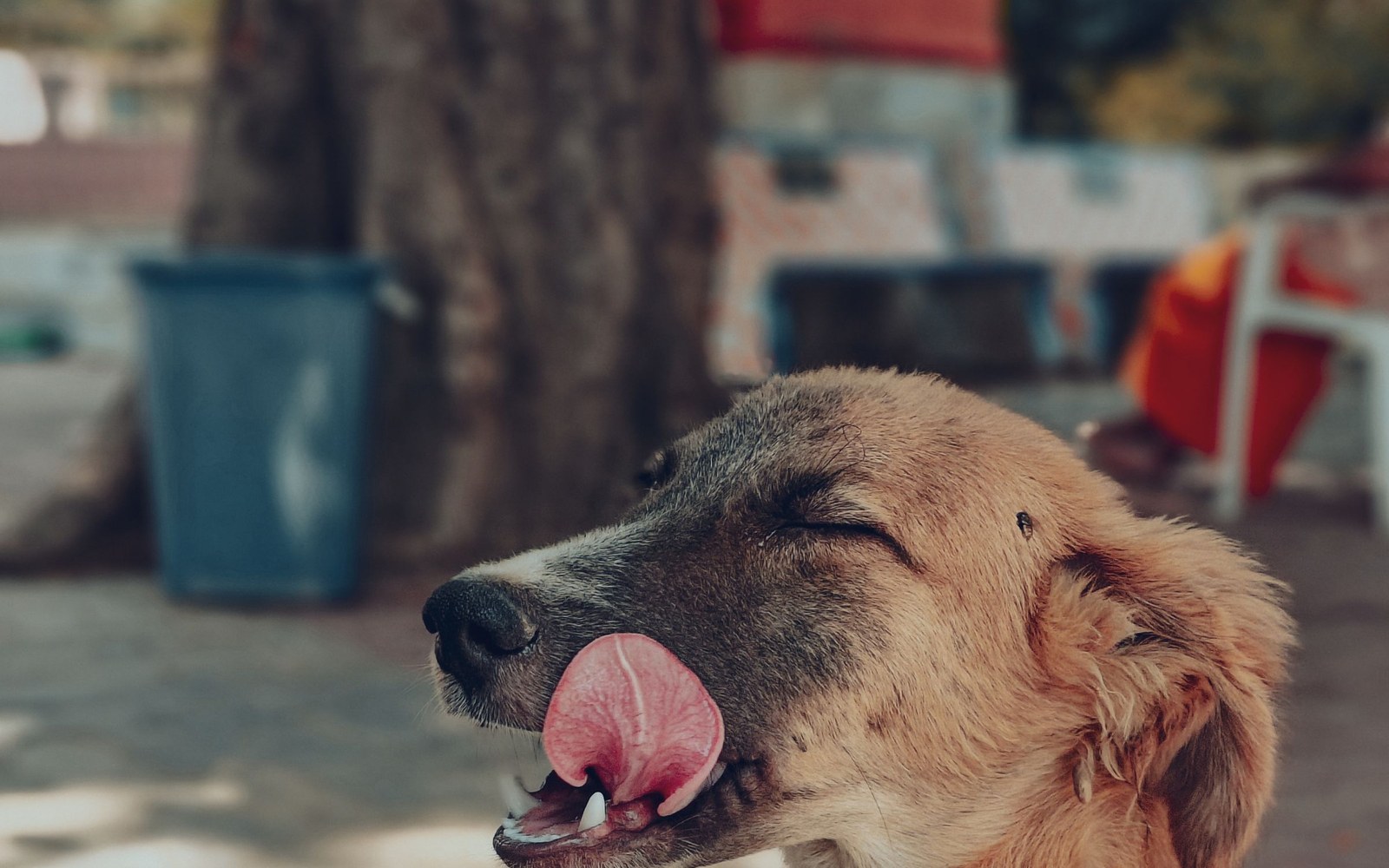
Yes, plain peanut butter without xylitol is safe for most dogs as an occasional treat in small amounts — but you must read the label every time, because some sugar-free peanut butters contain xylitol, which is extremely toxic to dogs. Choose an unsweetened peanut butter with just peanuts, or peanuts and a little salt, and treat it as a high-calorie extra, not a food group.
The One Ingredient You Must Check First
Xylitol, sometimes labeled as birch sugar, is the deal-breaker. It appears in certain sugar-free and some specialty peanut butters, and even a small lick of a xylitol product warrants an immediate call to your veterinarian — do not wait for symptoms. Formulas change, so check the ingredient list even on a brand you have bought before, and keep any xylitol-containing products for people stored completely separately, ideally in a closed cupboard your dog cannot reach.
Also skip peanut butters loaded with added sugars, chocolate, or extra oils where you can. Dogs do not need sweetened spreads, and chocolate peanut butter combines two problems at once. If the label lists hydrogenated oils and sugar near the top, leave it for human toast only.
How Much Is a Sensible Portion?
Peanut butter packs about 90 to 100 calories per tablespoon, which is a large share of a small dog's day. As a guide within your dog's overall treat budget: a teaspoon smeared inside a toy for a small dog, up to a tablespoon for a large dog, a few times a week at most — and less if your dog is watching their weight. Count it toward daily treats, and trim meal portions slightly on big peanut butter days.
Spread thin is the trick. A thin smear inside a rubber stuffing toy, on a lick mat, or frozen in a toy gives minutes of enjoyment for far fewer calories than a spoonful eaten in one gulp. Freeze a stuffed toy for a longer, calmer activity on a rainy day.
Smart Uses — and a Few Cautions
Peanut butter earns its keep as a high-value helper: hiding a pill your vet has prescribed (confirm the medicine can be given with food), making bath time or nail trims more positive, and rewarding recall in distracting places. A lick mat with a thin smear can turn grooming from a wrestle into a routine.
Use caution with dogs who have pancreatitis history, fat-sensitive conditions, peanut sensitivities, or who are on strict veterinary diets — ask your vet first. Watch for choking risk with large, sticky globs, especially in small dogs and enthusiastic gulpers; thin spreads and frozen fillings are safer than spoonfuls. Stop and talk to your vet if you see itching, ear flare-ups, vomiting, or loose stool after peanut butter — keep a note of the brand and amount.
Helping Sitters Get It Right
Treat rules get fuzzy when someone else cares for your dog. You can note a favorite safe treat — including the exact safe peanut butter brand — in KinsLe's Care Pass, the temporary scoped link that needs no account or app for the recipient, so sitters know exactly what is allowed and what must never be offered. Include the portion and the xylitol warning; a sitter should never have to guess from your pantry shelves.
Give the sitter caring for your dog this weekend access through the Care Pass link on KinsLe only for that weekend, limited to the treat guidance alone — the xylitol-free peanut butter, its portion, and what must never be offered.