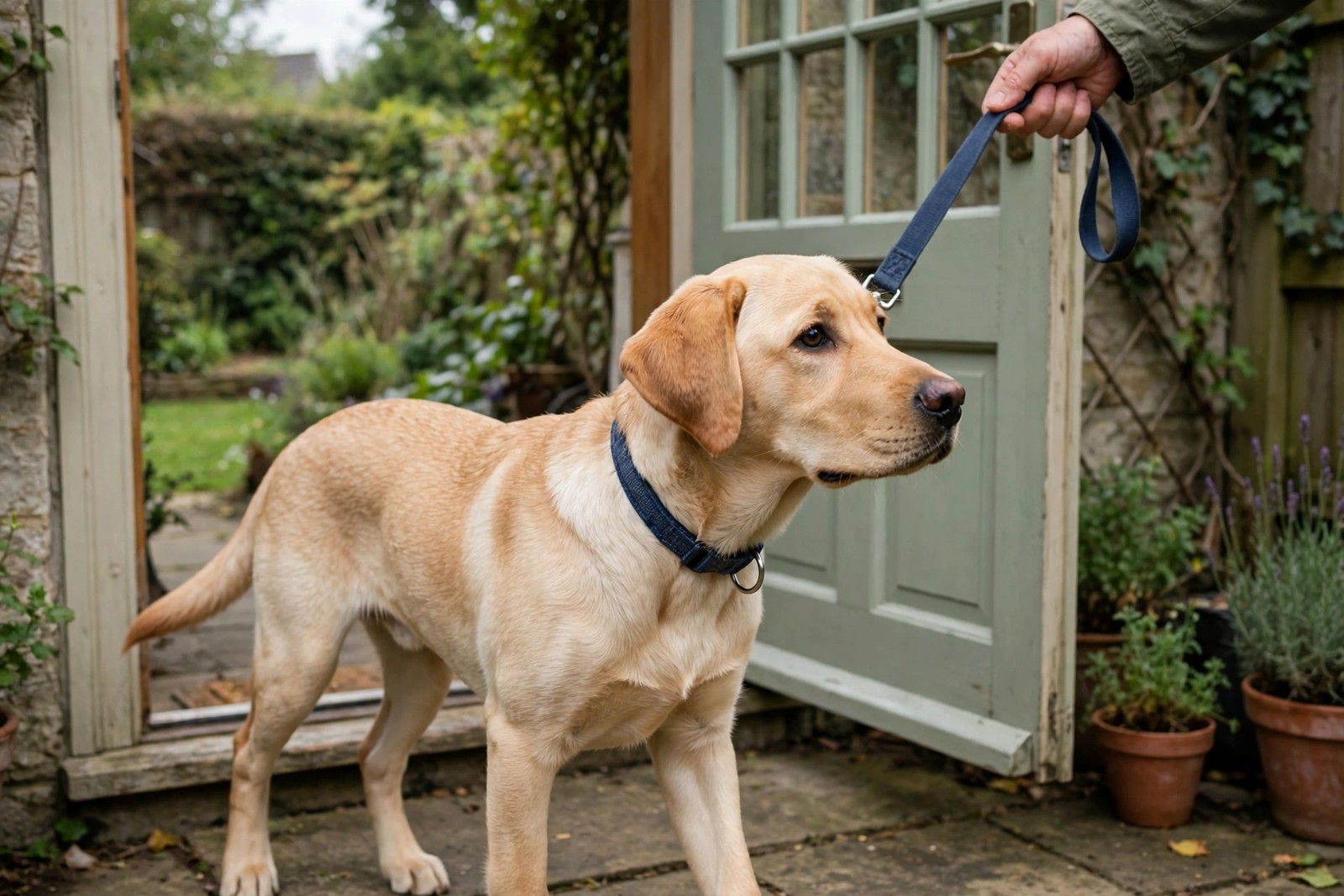
An adolescent dog who was housetrained and is suddenly having accidents again has usually not forgotten the rules or started doing it out of spite — teenage regression is common, and it typically traces back to hormones, distraction, a loosened routine, or occasionally a medical issue. The fix is unglamorous but reliable: go back to puppy basics for a few weeks until the habit is solid again.
Why teenage dogs slip backwards
Adolescence, roughly six to eighteen months depending on breed and size, is a period of hormonal change and a brain that is, frankly, under renovation. Entire male dogs may start marking — small amounts of urine on vertical surfaces or interesting smells — which is a communication behaviour, not a housetraining failure, though it happens indoors all the same. Dogs of both sexes also get so absorbed in the world that they simply forget to go while outside, then remember inconveniently five minutes after coming back in.
Routine drift is the other big culprit. When housetraining first succeeds, families naturally relax: fewer scheduled trips, less supervision, more freedom, praise that quietly stops happening. The dog's habit was younger and weaker than it looked, and under the new, looser structure it frays. Add a change — a house move, a new work schedule, a new pet, winter weather a dog dislikes — and accidents reappear.
Rule out the medical side first
A sudden change deserves one health check before you retrain. Urinating more often, in small amounts, straining, licking, drinking noticeably more, or accidents from a dog who seems unable to hold it can point to a urinary infection or another medical issue, and only your veterinarian can assess that. If your dog gets a clean bill of health — or while you wait for the appointment — restart training in parallel rather than losing weeks.
The back-to-basics reset
Treat your teenager like a young puppy again, without resentment:
- Take them out on a schedule — first thing, after meals, after play, after naps, and last thing at night — plus extra trips between.
- Go with them, wait for them to actually go, and praise and treat outdoors at the spot, not back at the door.
- Supervise indoors or use a pen, crate, or single puppy-proofed room when you cannot watch. Freedom is re-earned room by room.
- Clean accidents with an enzymatic cleaner so no scent marker invites a repeat performance in the same place.
- Keep a simple log for a week. A pattern — always mid-morning, always after the school run — tells you exactly which trip is missing.
Most regressions resolve within two to four weeks of this structure. If accidents continue despite a tight routine and a clean vet check, ask about a referral to a behaviour professional; persistent indoor toileting occasionally has an anxiety component worth proper assessment.
Rebuilding the schedule together
A reset only works if every trip out actually happens, including on busy days. KinsLe's Care Teams let you assign those toilet breaks to specific family members — feeding, walks, and other duties work the same way — and each completed break is timestamped, so everyone can see the morning trip happened and the midday one is still due. Write the reset down as one household plan — identical responses from everyone, toilet-break duties assigned to named family members, and observations logged — then run it through the Care Teams schedule on KinsLe so the same routine holds on busy days.