
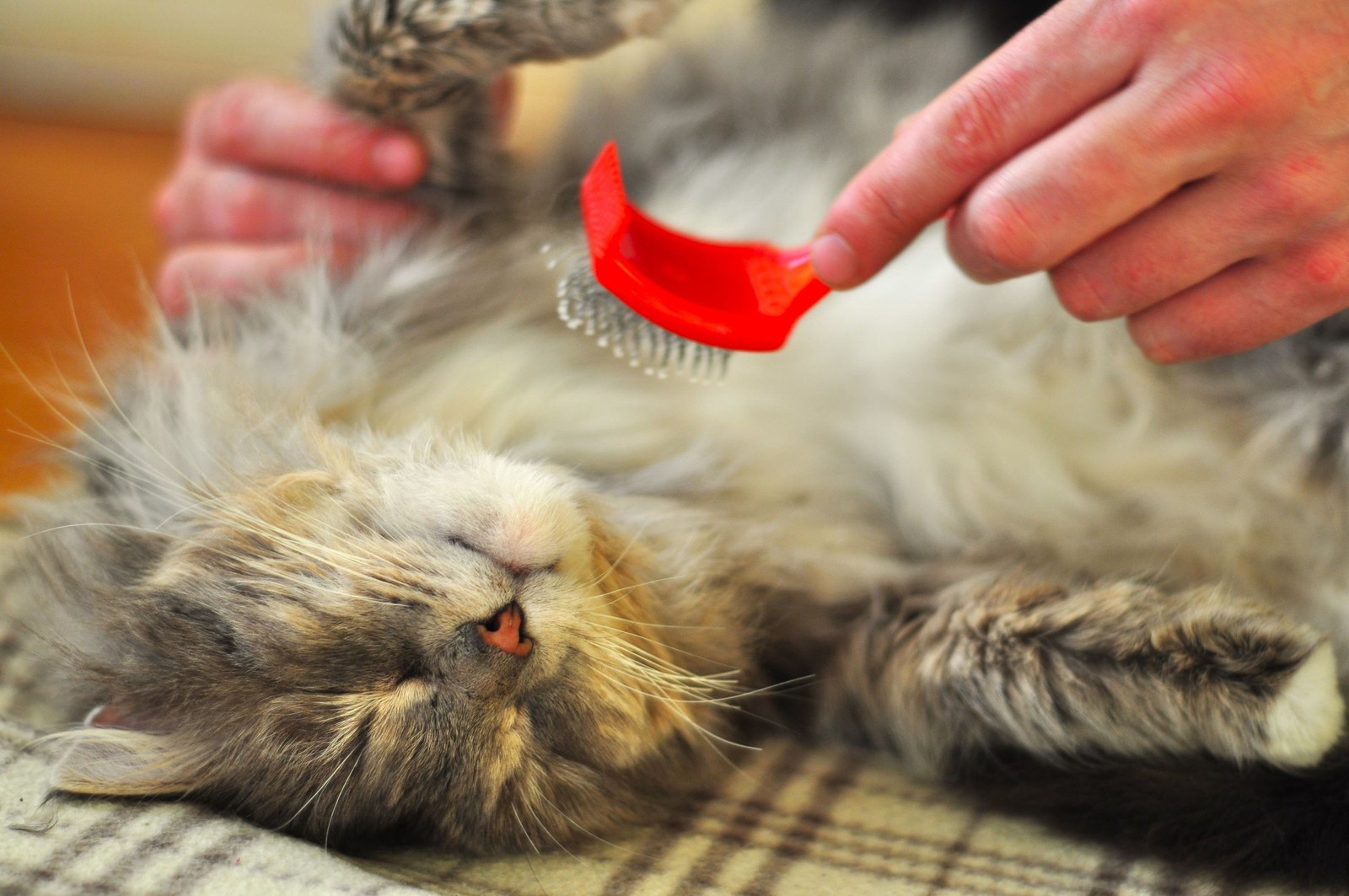
If your cat hates being brushed, the fix is not a firmer grip — it is shorter sessions, better timing, and letting your cat choose to stay. Start with thirty seconds of brushing in a spot they already love being stroked, pair it with a favourite treat, and stop before they object. Done daily, most cats gradually accept, and some even come to enjoy, a routine they once fled from.
Why Cats Resist the Brush
Resistance usually has a reason. Some cats were never introduced to brushing as kittens, so the sensation is strange. Others have had mats pulled, skin pinched, or sessions that went on long after they signalled they were done — tail flicking, skin twitching, ears flattening, or turning to stare at the brush are all early 'enough' signals owners often miss.
Sensitive skin, arthritis, or a sore spot can also make brushing genuinely uncomfortable. If a cat who used to tolerate grooming suddenly objects, especially in one area, that change is worth a vet check rather than more persistence.
Resetting the Routine, Step by Step
Leave the brush out where your cat can sniff and investigate it with nothing expected of them. Rub it gently against their cheek — cats have scent glands there and often enjoy it — and offer a treat. That is day one, and it counts.
- Days 1–3: brush cheeks and chin only, a few strokes, then a treat
- Days 4–7: add the top of the head and shoulders, still under a minute
- Week 2 onwards: add back and sides in short bursts, stopping early
- Always end with the treat, play, or meal — brushing predicts good things
Try different tools, too. A rubber grooming glove feels like a hand, a soft bristle brush is gentler than a slicker, and some cats prefer a fine comb. Experiment on a calm evening and watch which one gets the least side-eye.
What Not to Do
Do not chase your cat with the brush, pin them down, or wrap them tightly to 'get it done' unless a vet has advised restraint for a medical reason. You may win that session and lose the next ten. Avoid brushing straight after a stressful event like a vet visit or a house move, and never punish hissing or swatting — those are communication, not naughtiness. Step back, shorten the next session, and rebuild.
If mats have already formed and your cat will not tolerate you near them, do not force it and do not reach for scissors at home. Tight mats near skin are a safety issue, not a willpower test.
When a Professional Is the Kinder Option
Some cats do better with a calm, experienced groomer who handles reluctant cats every week, works quickly, and has the right tools for coats that have got ahead of home care. KinsLe's Pet Services Directory helps you find local groomers, vets, sitters, and trainers, so you can look for someone patient and cat-savvy near you rather than gambling on the first name you find.
There is no failure in booking help — for many brush-haters, an occasional professional groom plus tiny home sessions is the combination that finally works. Pet Services Directory points you toward a cat-savvy groomer nearby through KinsLe when home sessions still end in a struggle.