
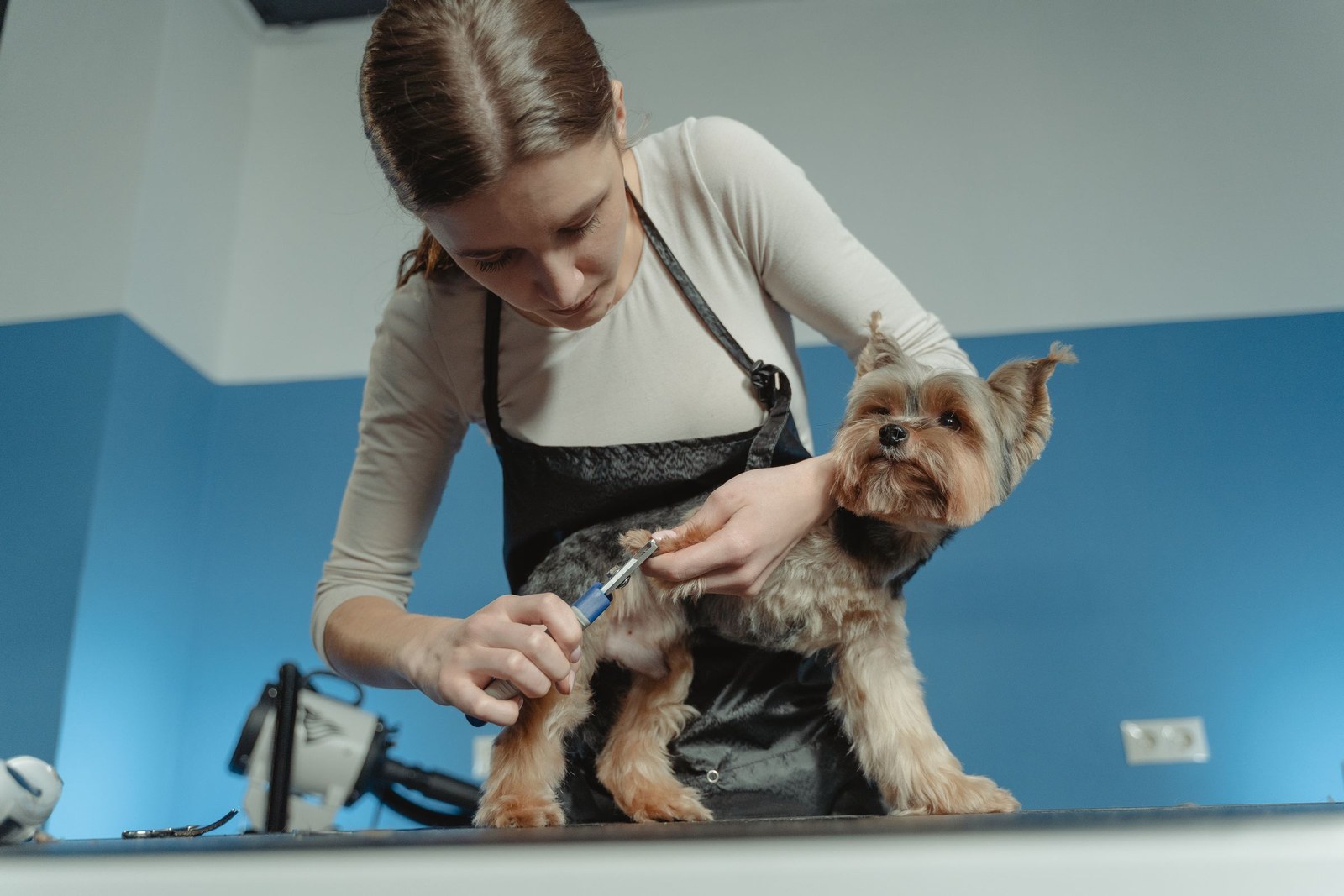
You make nail trims easier for a dog who hates them by slowing the whole thing down to your dog's pace: handle the paws daily with treats, let your dog sniff and investigate the clippers, and trim just one paw — or even one nail — per session at first. When every tiny step predicts something tasty, clippers stop meaning wrestling match and start meaning snack time. For most dogs, the fear shrinks steadily over a few weeks of this patient routine.
Why Dogs Learn to Hate Nail Trims
Dogs rarely hate the trim itself; they hate the package around it — being cornered, held tight, paws squeezed, and the memory of a past nick that hurt. Some dogs are also simply sensitive about paw handling, and certain breeds and rescues arrive with no early paw-handling history at all. The good news is that because this fear is learned, it can be re-learned. The mechanism is counter-conditioning: pairing the scary thing, in very small doses, with things your dog loves, until the emotional response flips.
Pressure is the enemy of progress here. If you have to chase, pin, or recruit three family members to hold your dog down, you are rehearsing fear, not fixing it. A trim completed by force today makes the next trim harder.
A Two-Week Reset Plan
Start with paw touches alone. Several times a day, briefly touch a paw, then immediately deliver a high-value treat — a bit of cheese, chicken, or whatever makes your dog's eyes light up. Over days, progress to holding the paw for a few seconds, then gently pressing a toe to extend the nail, treating after each step. If your dog pulls away or tenses, you moved too fast; drop back a step.
Next, bring out the clippers as a prop. Let your dog sniff them, treat. Touch the closed clippers to a nail, treat. Make the clipping sound near your dog with a piece of dry pasta in the clippers if your dog is sound-sensitive, treat. Only then trim a single nail tip — the tiniest slice — and throw a small party. One nail a day with zero drama beats sixteen nails with terror, and within a couple of weeks most dogs accept a full paw, then all four.
Tools and Tricks That Lower the Stakes
Try a grinder if your dog tolerates its hum better than the clipper's snap, or a scratch board — many dogs happily file their own front nails digging at an abrasive board for treats, which is a wonderful workaround while training continues. A lick mat smeared with peanut butter, stuck to the floor or tub, buys calm focus during actual trims. Work on a non-slip surface, in good light, at your dog's most relaxed time of day, and keep your own breathing and voice boringly calm — dogs read tension instantly.
If your dog panics, growls, or tries to bite despite slow work, stop and get help. Your veterinarian can check whether a painful nail or paw issue is fueling the reaction, and can discuss safe options, while a certified trainer or a patient groomer experienced with fearful dogs can rebuild the skill. Muzzles, properly conditioned, are kind tools, not admissions of failure.
One Shared Playbook for Everyone Helping
Consistency is everything with a fearful dog — one rough session from a helper can undo weeks of careful work. KinsLe Messenger, the per-pet communications hub on KinsLe, keeps all your dog's handling notes in one place, so anyone helping knows exactly what approach works best: which treats, which paw is most sensitive, and how far your dog has progressed. No one guesses, no one improvises, and your dog gets the same gentle script every time. KinsLe Messenger carries the trim plan between helpers on KinsLe: who clips this week, which paw tolerates handling longest, and which treat ended the session well.