
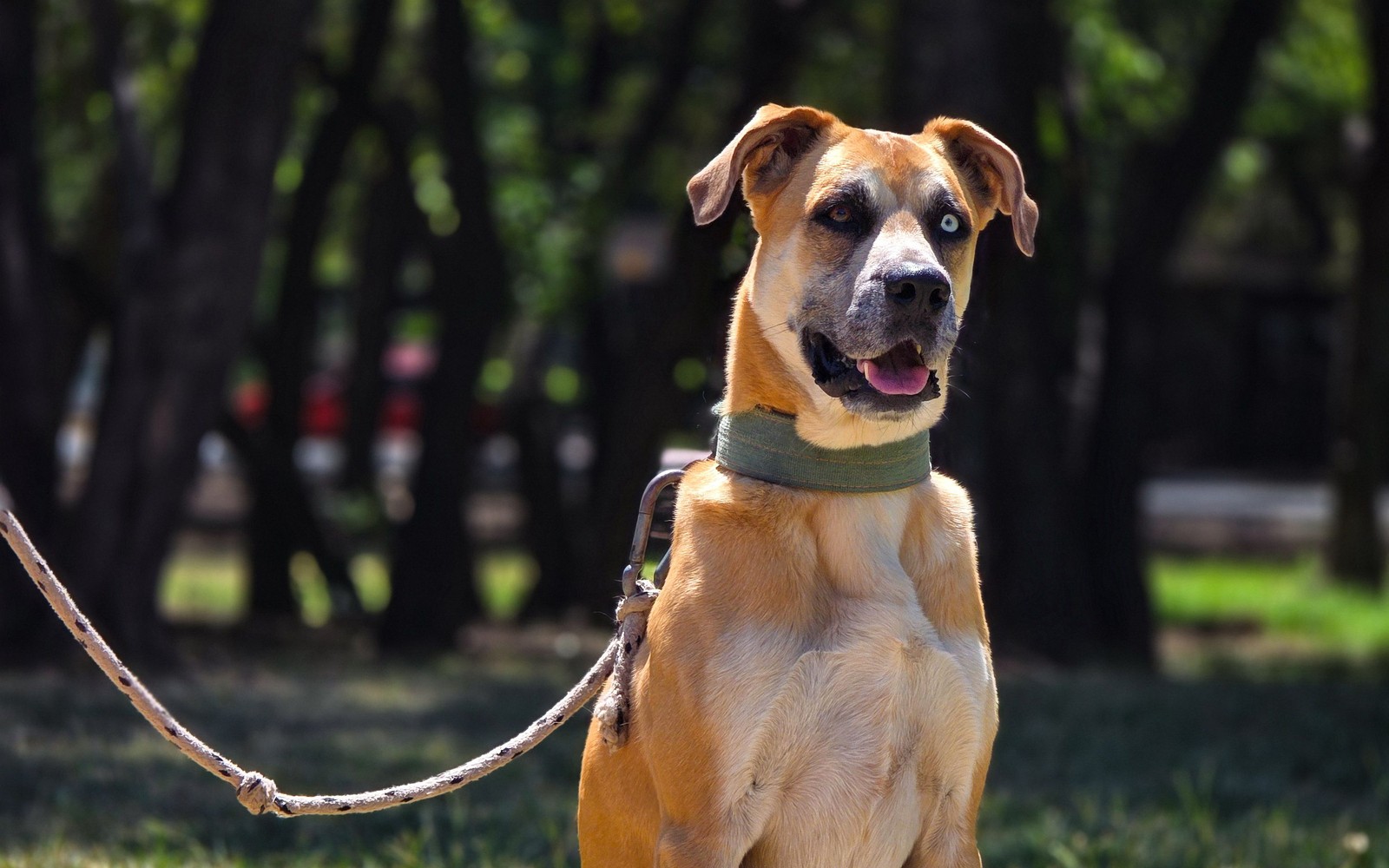
Your dog ignores you at the park because, in that moment, you are genuinely the least interesting option: squirrels, smells, and other dogs all outbid a voice he hears all day. Recall is not disobedience, it is an under-trained skill being tested at expert level. You fix it in stages — indoors, then the yard, then a long line in quiet outdoor spots — making every single return spectacularly worth his while.
Why Park Recall Collapses
At home, coming when called competes with almost nothing. At the park, it competes with everything, and often predicts the worst outcome of all: the leash going on and the fun ending. If your dog has learned that “come” sometimes means playtime is over, a telling-off for something he did earlier, or a boring walk home, he is making a rational choice to keep his distance. Breeds with strong independent streaks or high prey drive — huskies, terriers, sighthounds — need even more rehearsal, because chasing is wired in deeply.
Rebuild Recall in Stages
- Start indoors. Call once, cheerfully, and pay with something exceptional — chicken, cheese, a favorite game — every time he arrives.
- Move to the yard, then to a quiet field on a long line of five to ten meters, so he can explore but cannot fully self-reward by running off.
- Practice “call, reward, release” far more often than “call and finish.” Let him go back to sniffing after most recalls so coming to you does not end the fun.
- Add distance before distractions: a long-line recall across an empty park beats a short one next to the dog run.
- Only work off-leash where it is legal, fenced or genuinely safe, and your dog is succeeding reliably on the long line.
Never chase your dog down angrily or punish a return, however long it took. A dog who is punished on arrival learns that coming back is the dangerous part. If he blows you off, calmly gather the long line, reduce the difficulty, and train more at the easier level.
Games That Make You Magnetic
Hide-and-seek recalls, where you duck behind a tree and celebrate wildly when he finds you, build a dog who keeps an eye on you. So does rewarding check-ins he offers on his own — every voluntary glance or trot toward you on a walk earns praise. Bring the good stuff to the park, too; dry biscuits compete poorly with a squirrel, while a tube of squeeze cheese or a squeaky tug toy changes the odds.
Safety While You Train
Until recall is solid, the long line stays on near roads, water, livestock, or other dogs, and your dog should wear a secure collar or harness with ID. Check local leash rules, avoid calling your dog away mid-interaction with a dog you do not know, and if he has ever run into traffic or disappeared for long stretches, work with a qualified trainer on a structured plan rather than testing him in open spaces.
Peace of Mind From His Verified QR ID
Even careful training deserves a backup. On KinsLe, every pet profile carries a unique QR ID, so if your dog ever does slip away during training, anyone who finds him can reach you through that QR ID — an extra layer of peace of mind while the recall is still a work in progress.
If he slips the long line, a scan of his collar code through the Verified QR ID Pet Profiles on KinsLe opens his profile, confirms whose dog he is, and reaches you fast.