
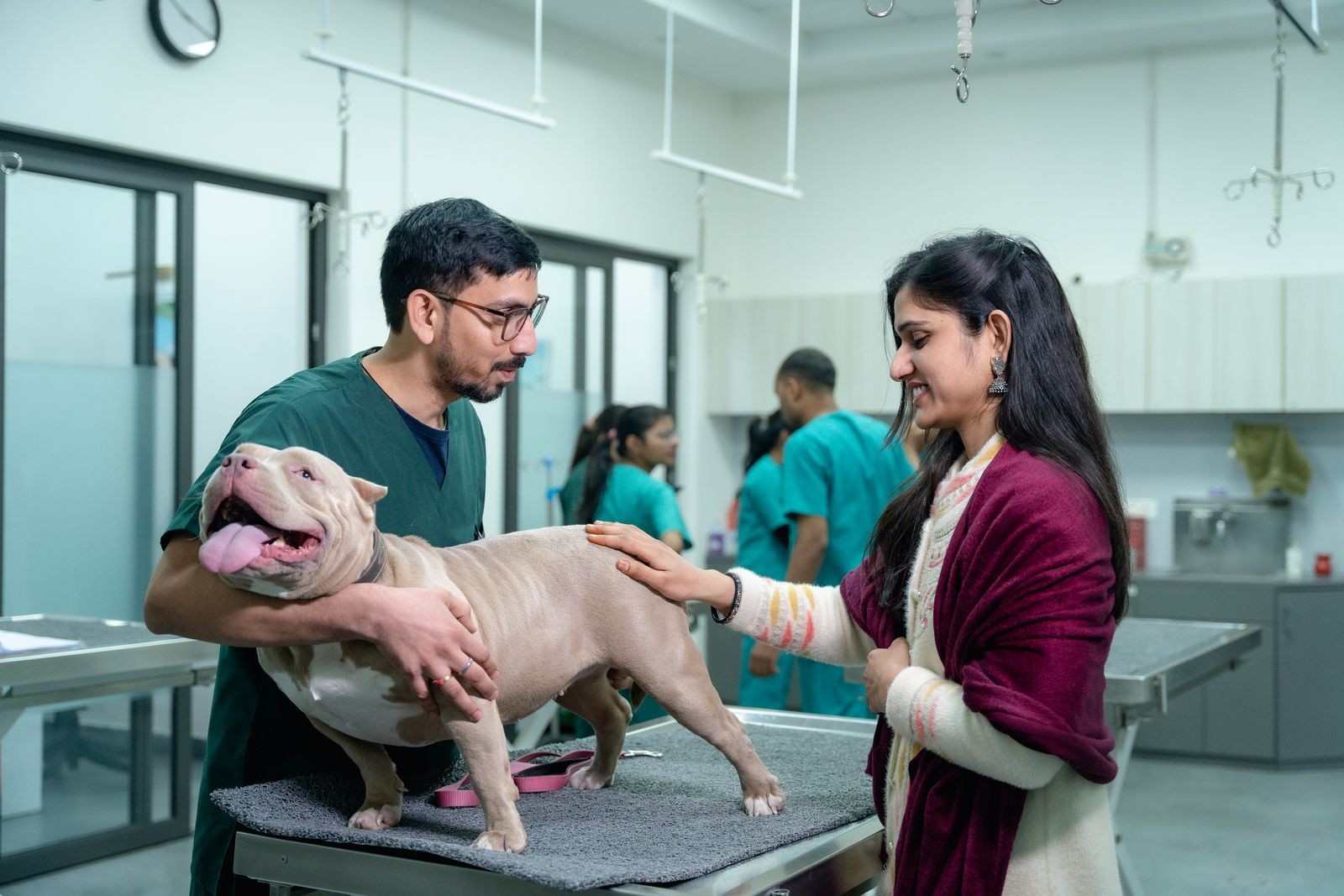
Yes — most overweight dogs can slim down safely with measured meals, fewer high-calorie treats, and a gradual increase in daily activity, but the plan should start with a vet check and a target weight rather than a crash diet.
Why the extra pounds matter
Carrying surplus weight puts added strain on joints, which matters especially for breeds already prone to hip and elbow trouble, like Labradors, Golden Retrievers, and German Shepherds. It also makes breathing harder for flat-faced breeds such as Bulldogs and Pugs. Owners often notice it first: ribs hard to feel, no visible waist from above, and a dog who lags on walks that used to be easy.
Start with your vet, not with guesswork
Before you cut a single scoop, book a check-up. Your veterinarian can confirm how much your dog actually needs to lose, rule out health issues that can contribute to weight gain, and set a sensible, gradual target. That visit also gives you a trusted starting weight on a proper scale. Ask how often to weigh in — every few weeks works for many owners — and be honest about every treat, chew, and scrap.
Measure meals and rethink treats
The single biggest change for most dogs is accuracy. Weigh food or use a measuring cup every time, because a 'heaped scoop' can quietly be thirty percent more than intended. Build in these habits:
- Feed set meals at set times instead of leaving food down all day.
- Count treats in the daily total — training rewards, dental chews, and the biscuit from a neighbour all count.
- Swap high-calorie treats for small pieces of carrot, green bean, or a few of your dog's own kibbles taken from their meal allowance.
- Slow greedy eaters down with a puzzle feeder, which also adds mental work.
If more than one person feeds your dog, agree the amounts in writing. Double dinners are a classic, invisible reason diets fail.
Build activity up gradually
Do not jump from a ten-minute stroll to an hour-long hike. Add a few minutes to walks each week, introduce an extra short walk or play session, and watch how your dog recovers the next day. Low-impact activity suits heavier dogs: steady lead walking, gentle sniffy routes, and, where your vet approves, swimming. Keep sessions shorter in hot weather, bring water, and stop if your dog is panting hard or limping.
Stay safe and stay patient
Never starve a dog down quickly or start intense exercise before a vet check. Puppies, pregnant dogs, and dogs with medical conditions need individual guidance. Healthy loss is slow — steady progress over months — and plateaus are normal. If weight will not budge despite honest measuring, go back to your vet rather than cutting food further on your own.
Finding help near you
A good plan is easier with a professional in your corner. KinsLe's Pet Services Directory helps you find local vets, along with groomers, sitters, and trainers, so you can book that first weight check and build a team around your dog's goal. Once your dog has a profile, you can keep the whole care picture in one place and revisit the plan as the pounds come off. Book that first weight check through the Pet Services Directory portal on KinsLe, where finding a veterinarian near you becomes the opening step of a safe, gradual plan.