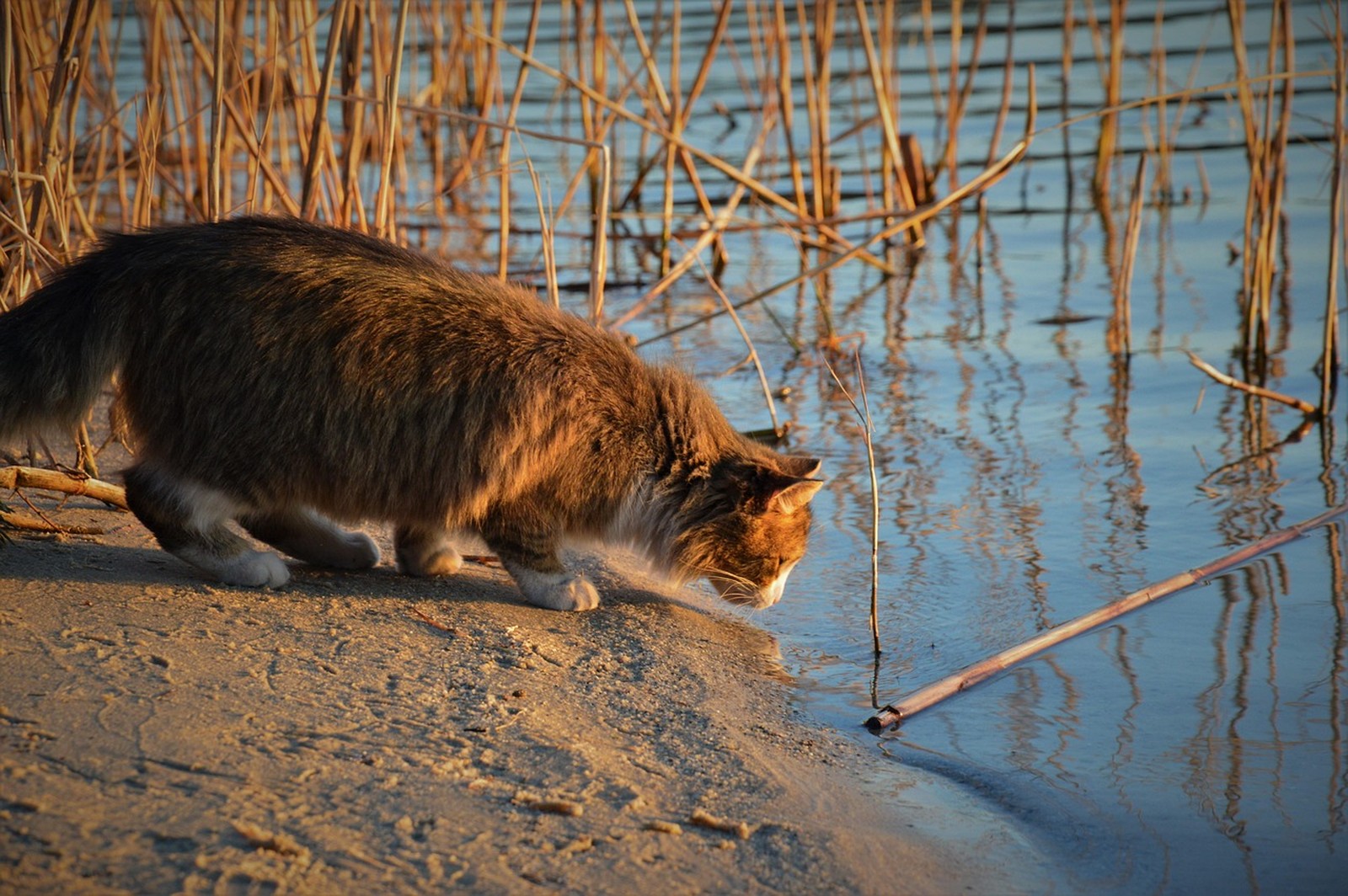
A senior cat who is noticeably drinking a lot more water should always be seen by a vet. Increased thirst is one of the earliest visible signs of several age-related conditions, and none of them can be identified at home — the right move is to book a visit promptly, keep water easily available in the meantime, and arrive with good observations.
Why more drinking matters in an older cat
Younger cats occasionally drink more after a hot day, a salty treat, or a switch from wet to dry food. In a senior cat, a sustained change — refilling bowls more often, finding her at the tap, longer drinks, bigger clumps in the litter box — usually means the body is compensating for something. Kidneys, thyroid, blood sugar, and other systems can all sit behind it, and they are distinguished by examination and tests, not by watching. That is not a reason to panic; it is a reason not to file it under 'just getting old.'
Measure it, don't just notice it
For a few days before the appointment, make your observations concrete. Fill the bowl with a measured amount each morning and note what is left 24 hours later. Count roughly how many times a day she drinks, note whether urination has increased, and jot down appetite, weight feel, and energy. Photograph the litter box clumps if it helps. If you have home scales, a weekly weight is valuable too. Vets make markedly better decisions from numbers and dates than from impressions, and this kind of log takes two minutes a day.
What not to do while you wait
Never restrict water to 'test' whether the thirst is real — a cat who is drinking more needs that water, and limiting it can be dangerous. Don't start a special diet, supplement, or leftover medication based on what the symptom might mean. Keep her routine calm and unchanged, keep bowls topped up in a few quiet spots so she never has to travel far or compete with another pet to drink, and avoid introducing new foods that muddy the picture before the visit.
What to expect at the vet
Your vet will examine her, weigh her, and typically recommend blood and urine testing and possibly blood pressure measurement to understand what is driving the thirst. Bring your drinking log and a list of current foods and any medications. Ask what the results show, what the monitoring plan is, and which changes at home should trigger an earlier return. Whatever the finding, you will have caught it at the stage where the most can be done — that is the entire value of acting on this symptom quickly.
Keeping everyone following the same cat in one thread
When a symptom is unfolding, updates scatter fast — a partner phones the vet, a family member notices something at night. KinsLe Messenger is the per-pet communications hub, keeping the whole conversation about your cat in one thread tied to her profile, so observations, vet instructions, and follow-ups stay together. Put those drinking notes where the whole household can add to them: a KinsLe Messenger hub on KinsLe holds each observation about her thirst in her own thread, so a partner's midnight refill and your morning bowl count reach the vet as one clear record.