
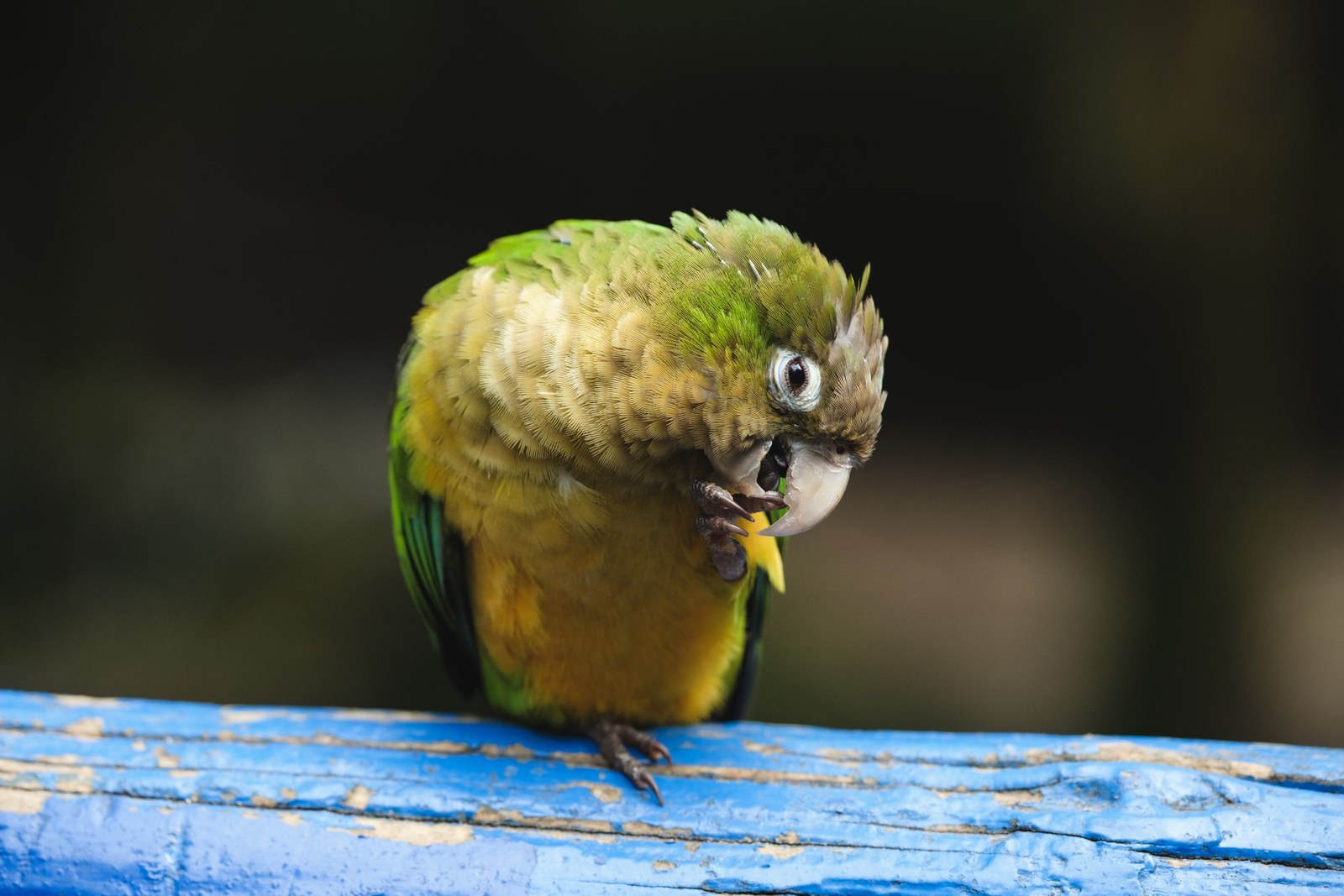
Do not try to trim an overgrown beak yourself. A parrot's beak contains blood vessels and nerves, it is living tissue rather than a fingernail, and an avian vet needs to assess both the shape of the beak and the reason it overgrew in the first place. Book that appointment, keep providing safe chewing opportunities in the meantime, and watch that your parrot can still eat comfortably.
What a Healthy Beak Should Look Like
A healthy beak is smooth, symmetrical, and aligned, with the upper and lower parts meeting so your parrot can crack seed, climb, and preen without effort. Beaks grow continuously throughout a bird's life and are normally worn down by chewing wood, gnawing cuttlebone and mineral blocks, eating, and rubbing the beak on rough perches. Flaking in very thin layers can be normal wear; deep cracks, peeling layers, discoloration, or a beak that curves, crosses, or grows noticeably long is not.
Size matters for spotting trouble. On a macaw or Amazona, an overgrown tip may be obvious across the room. On a smaller conure or quaker, the change can be subtler — food getting harder to pick up, or the beak tip catching when the bird wipes it on a perch.
Why Beaks Overgrow in the First Place
Overgrowth is a symptom, not a diagnosis. Diets that are mostly soft food give the beak little work to do. A lack of chewable materials does the same. In other cases, misalignment from an old injury, liver or nutritional problems, mites in some species, or other health issues sit underneath the change. That is exactly why a vet visit matters: simply shortening the beak without asking why it grew would miss the cause, and the beak would grow back the same way while the real problem progressed quietly.
Your vet may reshape the beak gradually over more than one visit, check your parrot's weight and diet, and ask what your bird actually chews each day. Bring a photo of the cage setup and be honest about the menu — that detail genuinely helps.
What Never To Do at Home
Never use nail clippers, files, scissors, or a rotary tool on your parrot's beak. A slip can split the beak, cause bleeding and pain, damage the growth area, and terrify a bird who will remember the experience at every future handling. Do not copy a video of someone else trimming at home; you cannot see the blood supply inside your bird's beak from the outside.
Safe interim steps are simple:
- Offer untreated wood toys, cork, yucca, and cuttlebone for natural wear
- Keep a natural wood or textured perch available for beak wiping
- Check daily that your parrot is eating a normal amount
- Soften familiar foods if picking up food looks difficult, and tell the vet
Finding Bird-Savvy Help Quickly
Not every clinic works on beaks, so confirm bird experience when you book. KinsLe's Pet Services Directory can point you to nearby vets, groomers, and trainers who work with birds, all searchable in one place rather than through scattered browser tabs during a stressful week. Saving the right clinic against your parrot's profile means a partner or sitter sees the same contact without phoning you first. Pet Services Directory on KinsLe is where that search for a bird-experienced clinic begins, so you can confirm beak experience before booking rather than calling around blindly.