
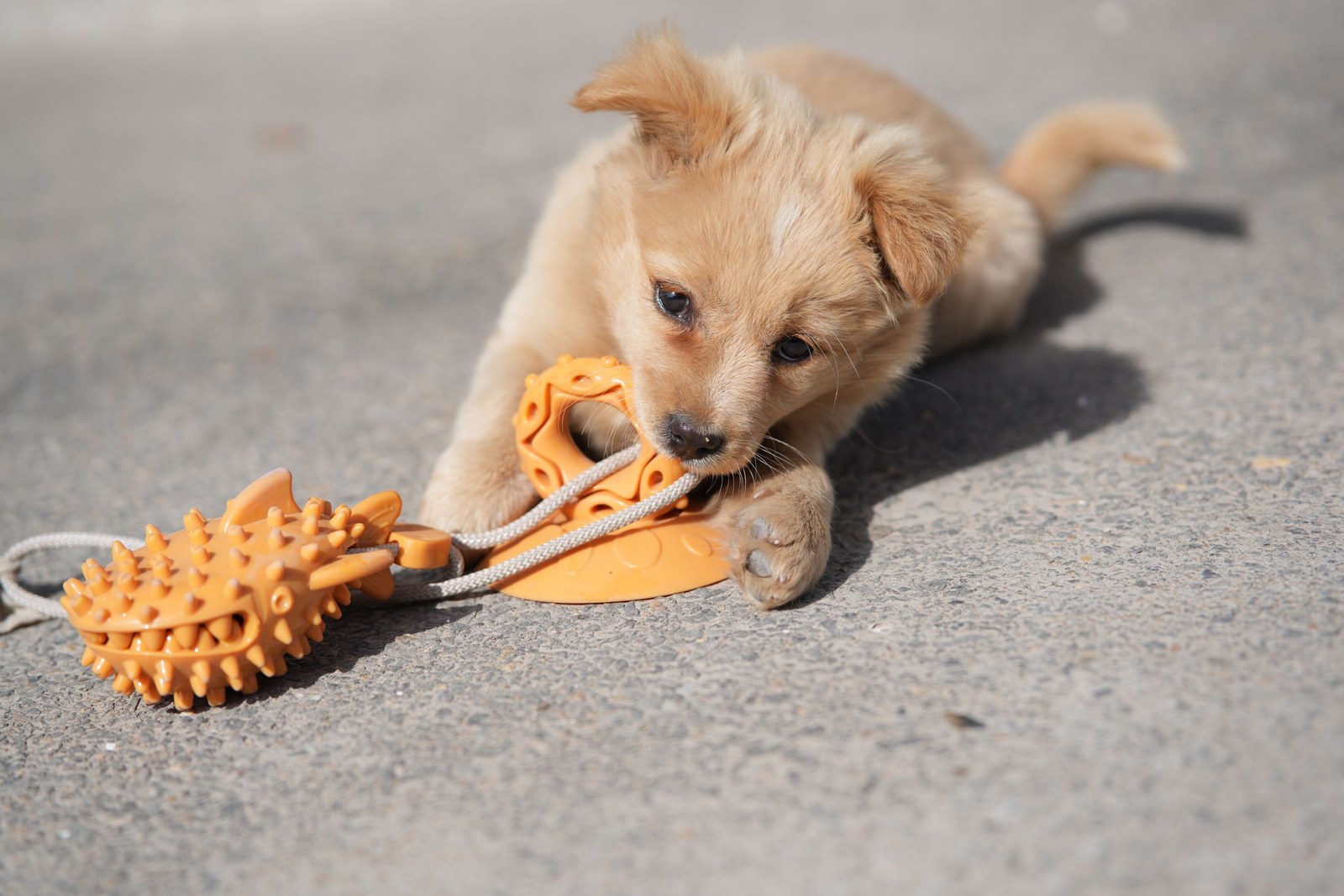
Evening hyperactivity and mouthiness are very normal in teenage dogs — the zoomies, grabbing at sleeves, demand barking, and general wildness that descend just as you sit down. It usually means your adolescent is overtired, under-stimulated, or both, and it responds better to a sniffy decompression walk, a chew session, and an enforced calm wind-down than to more exciting play, which tends to pour fuel on it.
Why Evenings Are the Witching Hour
Adolescent dogs have spent the day accumulating stimulation — sounds through the window, a walk, visitors, your return from work — without an adult dog's ability to switch off. By evening their self-control tank is empty. Add the household's busiest, noisiest hour, cooks in the kitchen and people finally sitting where a dog can demand attention, and you get the perfect storm breeders cheerfully call the evening zoomies.
Overtiredness is the most underestimated cause. Teenagers still need far more sleep than they will volunteer for, and a dog who missed daytime naps because the house was busy often presents as wired rather than sleepy — exactly like an overtired toddler. Mouthing returns in this phase too: the teenage mouth explores, grabs for attention, and tests what works, and sleeves, hands, and cushions are all conveniently available.
Wildness that is new, sudden, or paired with growling or snapping is not standard teenage behaviour — mention a marked change to your veterinarian.
A Wind-Down Routine That Actually Works
Build a predictable evening sequence and start it before the wildness peaks — around the time it usually begins, minus fifteen minutes.
First, a decompression walk: twenty to thirty minutes at your dog's pace, on a longer lead where safe, with maximum sniffing and minimum excitement. No ball-chasing marathons, which spike adrenaline and take a long time to come down from.
Back home, offer a job for the mouth that is legal: a long-lasting chew, a lick mat, or a snuffle mat with part of dinner scattered through it. Licking and chewing are naturally settling activities, and giving the mouth an assignment prevents it inventing one involving your jumper.
Then enforce calm. Dim the chaos, not just the lights: settle your dog on their bed or in their pen or crate area if they are trained to relax there, with a boring household around them. Some teenagers need a physical boundary — a baby gate — to accept that playtime is over. Stay consistent for two weeks before judging it; routines teach slowly and then suddenly.
Avoid wrestling, chase games, and squeaky-toy frenzies after dinner. If your dog demand-barks, do not reward the performance with attention or a game; wait for a pause, then calmly direct them to the chew or bed. Everyone in the house must play by the same rules, or the dog simply shops for the softest audience.
Exercise and Sleep Across the Whole Day
Evening calm is built earlier. Check the full day: a teenage dog needs physical exercise appropriate to their breed and growth stage, mental work such as training or scent games, and protected nap time in a quiet spot — many do best with a deliberate midday rest enforced in a calm room. Large, fast-growing breeds need care not to overdo repetitive exercise while joints develop, so balance walks with brain work rather than simply adding miles.
Making the Routine Happen With KinsLe
Evening routines collapse on the days you work late, a partner is out, or family life gets busy — precisely the days your teenager needs them most. KinsLe's Care Teams let you assign that evening walk and wind-down routine to specific people, with duties for feeding, walks, medication, and grooming marked complete with a timestamp. Whoever is home can see what has been done and what the next step in the sequence is.
That shared visibility turns "someone should walk the dog" into a routine that reliably happens, night after night, until adolescence passes.
Put the sequence into the Care Teams plan on KinsLe, and whoever is home follows named duties for the walk, chew, and settle instead of improvising.