
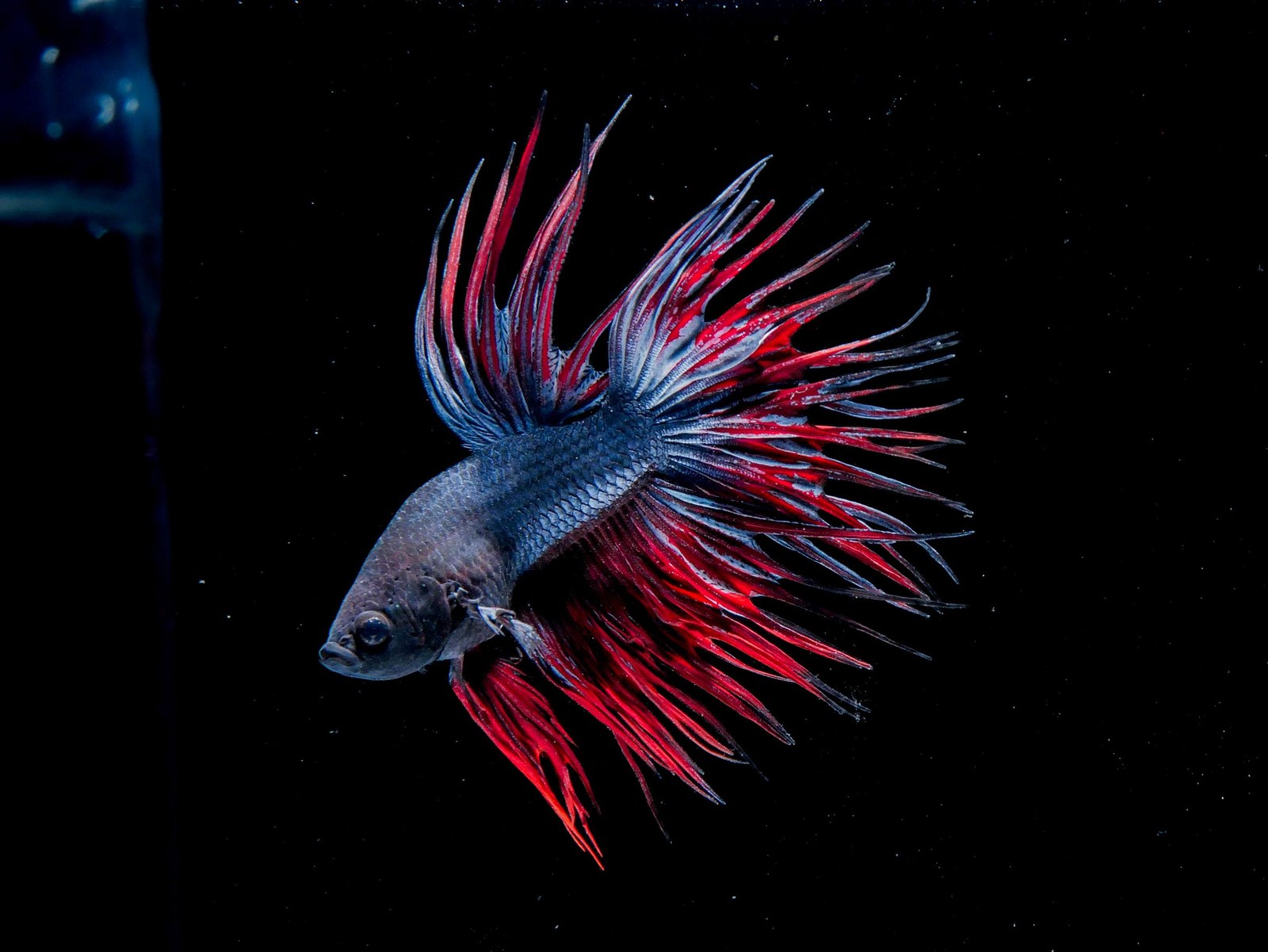
Yes — separating a sick fish into its own hospital or quarantine tank is usually one of the smartest moves you can make. It does three things at once: it protects the rest of your livestock from anything contagious, it gives you a close-up view of the sick fish's behavior and appetite, and it keeps any vet-directed care contained to one small setup instead of disrupting the whole display tank.
When isolation matters most
Move a fish out when you suspect anything contagious — white spots spreading across fins, frayed or rotting fins, fuzzy patches, or unusual lethargity in a fish that was fine yesterday. Isolation is also wise when a fish is being bullied to the point of injury, or after a visible wound, because tankmates often peck at weakened fish and stall their recovery.
Not every odd moment needs a hospital tank. A single fish resting more than usual after a water change, with clear fins and a normal appetite, may just need watching. The rule of thumb: isolate when you see a pattern — symptoms spreading, worsening, or involving more than one fish.
Setting up a simple hospital tank
You don't need a showroom setup — function beats beauty here. A 10-gallon tank (or an appropriately sized one for larger species) with a seasoned sponge filter or air stone, a reliable heater matched to the species' temperature range, and clean, conditioned water from the same source as your main tank is ideal. A bare or lightly lined bottom makes it easy to spot waste, uneaten food, and any shed material — all of which are diagnostic clues. Add one simple hiding spot, like a small cave or a sprig of plant, so the fish isn't stressed by total exposure.
Match the water parameters as closely as you can to the home tank, because moving a sick fish into wildly different water is its own shock. Feed lightly and remove uneaten food quickly. If your veterinarian prescribes a course of care, having the fish alone in a small, controlled volume makes dosing accurate and monitoring simple.
Keep your gear clean between tanks
The hospital tank only protects the main tank if you don't carry anything between them. Use separate nets, siphons, and buckets — or disinfect equipment between uses. Wash your hands between tanks, too. It's a small habit that prevents a quarantined problem from hitching a ride back into your healthy setup.
Caring for a sick fish often involves more than one person — a partner feeding it while you travel, or family members taking turns checking on it. KinsLe Messenger is the per-pet communications hub, so everyone looking after that fish can follow updates and instructions in one place, and nobody misses a day of care. Keep a dated log of appetite, spots, and breathing in the KinsLe Messenger thread on KinsLe, so whoever checks the hospital tank next sees exactly how the isolated fish has been doing.