
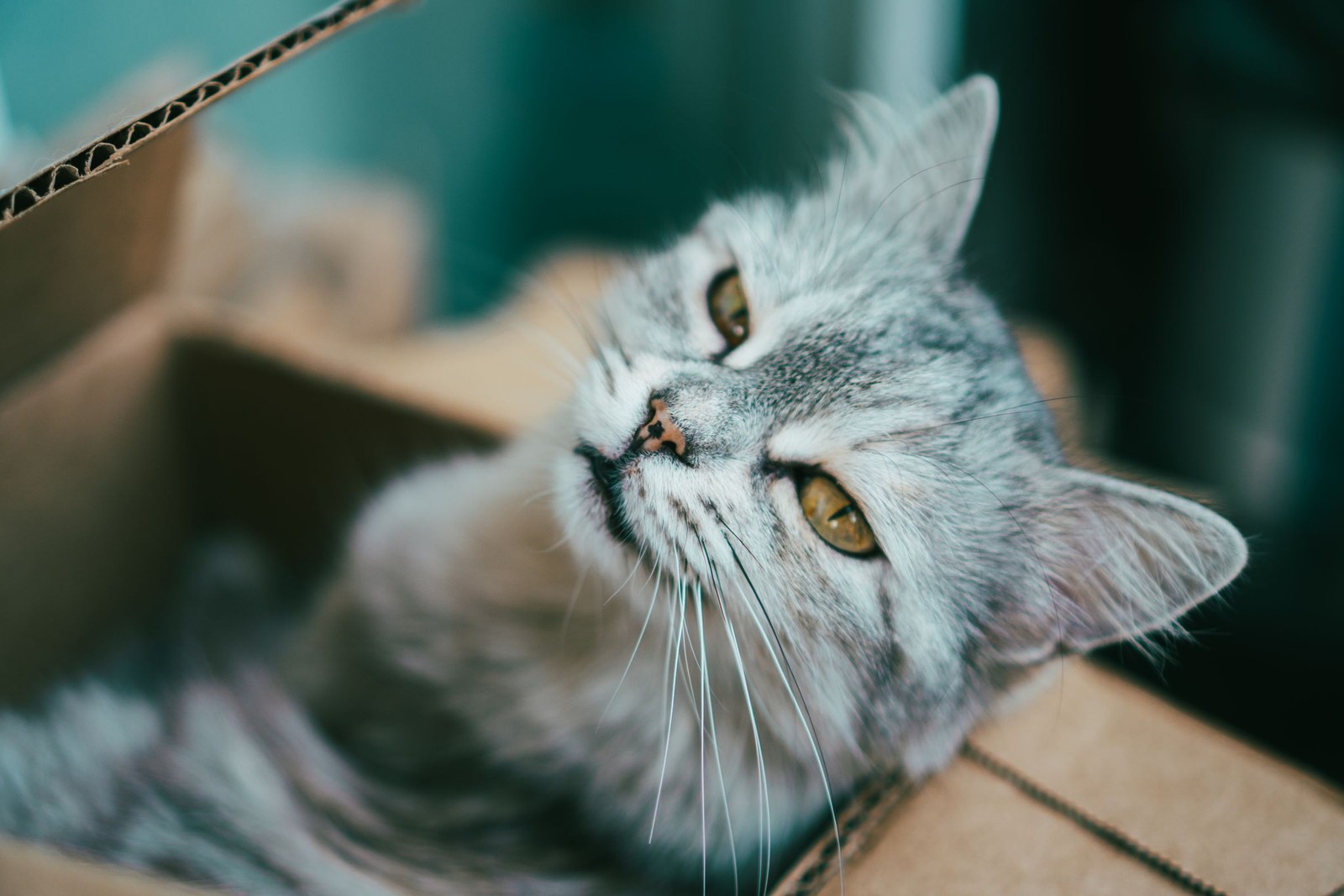
Signs your cat might have worms include a pot-bellied appearance, weight loss despite a good appetite, vomiting, diarrhea, scooting across the floor, and small rice-like segments near the tail or in the bedding. Many cats, though, show no obvious signs at all — which is why vets sometimes check a stool sample at routine visits even when everything looks fine.
The signs, and what they hint at
Different worms leave different clues. Tapeworms are the most visible: their segments dry into tiny rice- or sesame-like grains that appear around the tail, on bedding, or in the litter box, and cats usually pick them up by swallowing a flea during grooming — so tapeworms often arrive with a flea problem attached. Roundworms are especially common in kittens, where they can cause the classic swollen belly, a dull coat, and poor growth; adults may vomit up what looks like strands of spaghetti in heavier cases. Hookworms and whipworms tend to announce themselves through digestive upset and, in more serious cases, weakness or pale gums. None of these signs proves worms on its own — diarrhea and weight loss have many causes — which is why identification matters more than guessing.
Why so many cases hide
Adult cats with light worm burdens often look completely normal. They eat, play, and groom as usual while quietly shedding eggs into litter boxes, soil, and garden beds. Kittens, seniors, outdoor hunters, and cats with other health challenges are more vulnerable to visible effects. Hunting is a major exposure route: mice, birds, and other prey carry parasites, so a proud hunter needs parasite prevention conversations more often, not less. Fleas, as noted, are the other quiet courier.
What to do if you suspect worms
Collect a fresh stool sample — your clinic can tell you how much and how to store it — and take it to your vet for testing. A fecal exam identifies which parasite, if any, is present, and that identification shapes what happens next; different worms call for different responses, and an over-the-counter guess can miss the actual problem while the real one continues. While you wait, practice simple hygiene: scoop litter daily, wash hands after handling litter or soil, keep children from playing in areas cats use as toilets, and keep up flea prevention, since fleas and tapeworms travel together.
Safety boundaries
Some feline parasites can affect people, particularly children and anyone with a weakened immune system, which is another reason prompt vet testing beats home experimentation. Do not give your cat a dog dewormer, a leftover product from another pet, or a remedy based on an internet anecdote — the wrong product, or the wrong amount for a small kitten, can do real harm. This article cannot diagnose your cat; only an exam and a stool test can. If you see blood in the stool, repeated vomiting, marked weight loss, or a kitten who is lethargic and not eating, treat it as urgent and call your vet the same day.
Keep the result where it belongs with KinsLe
A fecal result scribbled on a receipt is useless six months later when a new vet asks what was found and what was done. KinsLe's Pet Passport keeps test results in one records packet with your cat's vaccines, medications, allergies, and documents, shareable with any vet or sitter in seconds — so a parasite history follows your cat instead of fading from memory. File the dated stool result, symptom notes, and treatment record in the Pet Passport file on KinsLe, so the next vet reading its history sees the whole worm picture in order.