
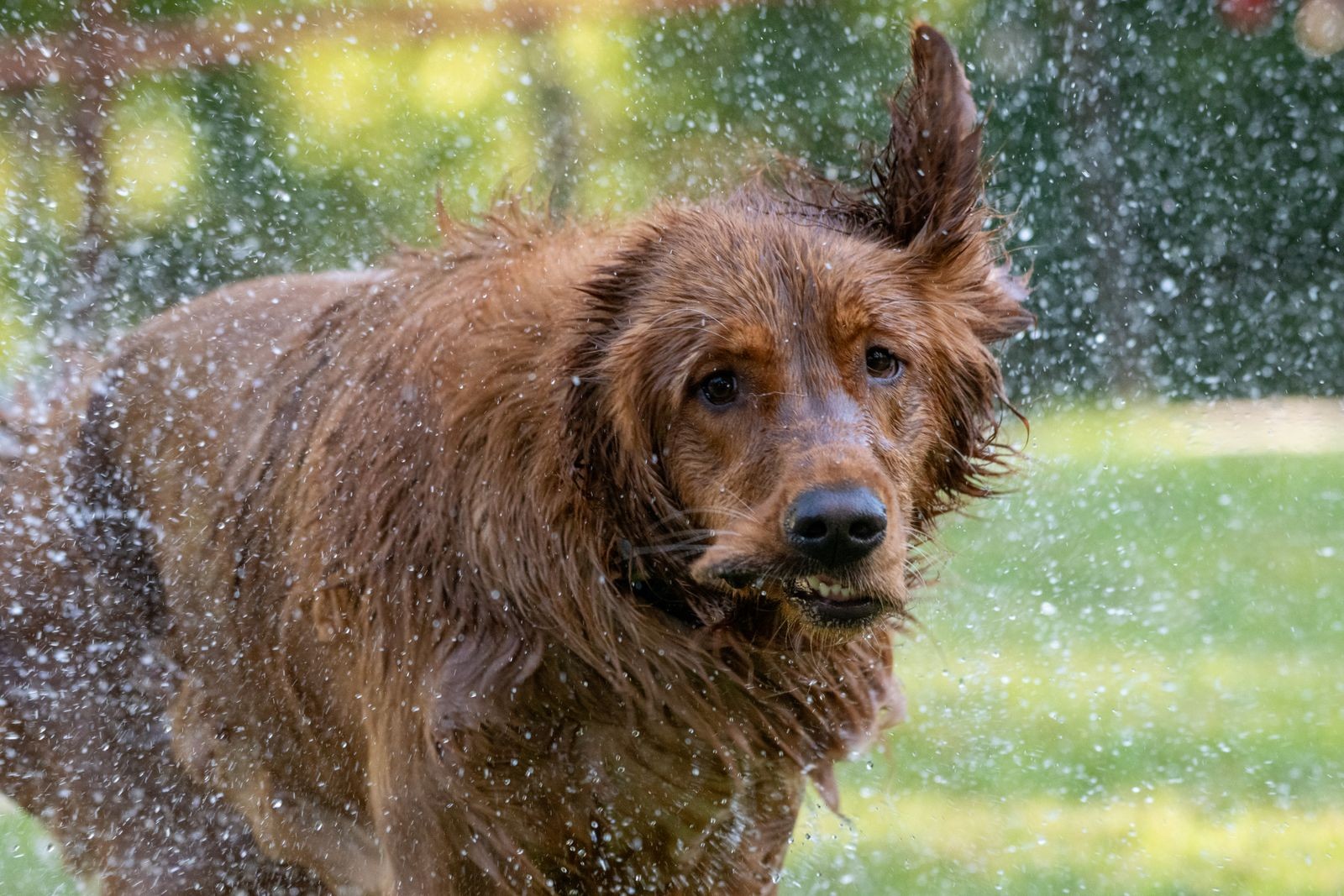
The clearest signs of an ear infection in dogs are repeated head shaking, scratching or pawing at one ear, redness inside the flap, a yeasty or sour smell, and discharge — and any dog showing them should have a vet look inside the ear rather than being treated on guesswork at home.
One brief ear scratch after a walk is nothing to worry about. An infection announces itself as a pattern: your dog keeps returning to the same ear, shakes after you touch it, or seems uncomfortable when a collar or harness goes over the head. The canal bends out of sight, so the real story is deeper in.
The Signs Owners Usually Notice First
- Head shaking, head tilting to one side, or rubbing the ear along furniture and carpet
- Red, warm, or swollen skin inside the ear flap, sometimes with scratch marks
- Brown, yellow, or dark waxy discharge, or a crusty buildup at the canal opening
- A bread-like, yeasty, or sharply sour odor that is stronger than normal dog ear smell
- Yelping, pulling away, or unusual grumpiness when the ear is handled
Breeds with heavy, floppy ears like Basset Hounds and Labradors, and dogs who swim often, get infections more readily because their canals stay warm and damp. Dogs with allergies are also repeat offenders — ears are skin, and allergic skin flares there too.
Why Guessing at Home Falls Short
Ear problems can involve yeast, bacteria, ear mites, a trapped grass seed, excess wax from an underlying allergy, or several of these at once. Two ears that look identical from the outside can need quite different care, and that is why a vet uses an otoscope to view the canal and eardrum and may swab the discharge to identify what is actually growing there.
Avoid using leftover drops from a previous episode, a sibling dog's medication, or human products unless your vet specifically directs it. If the eardrum is damaged, some products should not go in the ear at all — something you cannot judge from the kitchen table. Cleaning vigorously before the appointment can also leave the canal sore and harder to examine, so if an infection seems likely, it is usually better to book first and clean only if your vet asks you to.
What Helps Before and After the Visit
Until you are seen, keep the ear dry, stop swimming and baths that soak the head, and prevent scratching from breaking the skin if you can. Note when the shaking started, whether both ears are involved, recent swimming or grooming, new foods, and whether this has happened before — vets find timelines genuinely useful.
After treatment starts, finish the full course your vet prescribes even if the ear looks better in three days. Recurring infections are a clue in themselves; a dog on her fourth in a year needs a conversation about allergies, not just another bottle.
Keeping the Timeline Straight
It is surprisingly hard, two months later, to remember whether the left ear flared in spring or summer, or which cleaner you were using. Jotting symptoms and visit dates in KinsLe's Pet Passport — the shareable records packet for vaccines, medications, allergies, and documents — means your vet gets the full picture at the next flare-up, not a guess. Her dated symptom notes, each vet-visit summary, and every test result belong in the Pet Passport folder on KinsLe, where the next clinician can read her ear history end to end before looking inside.