
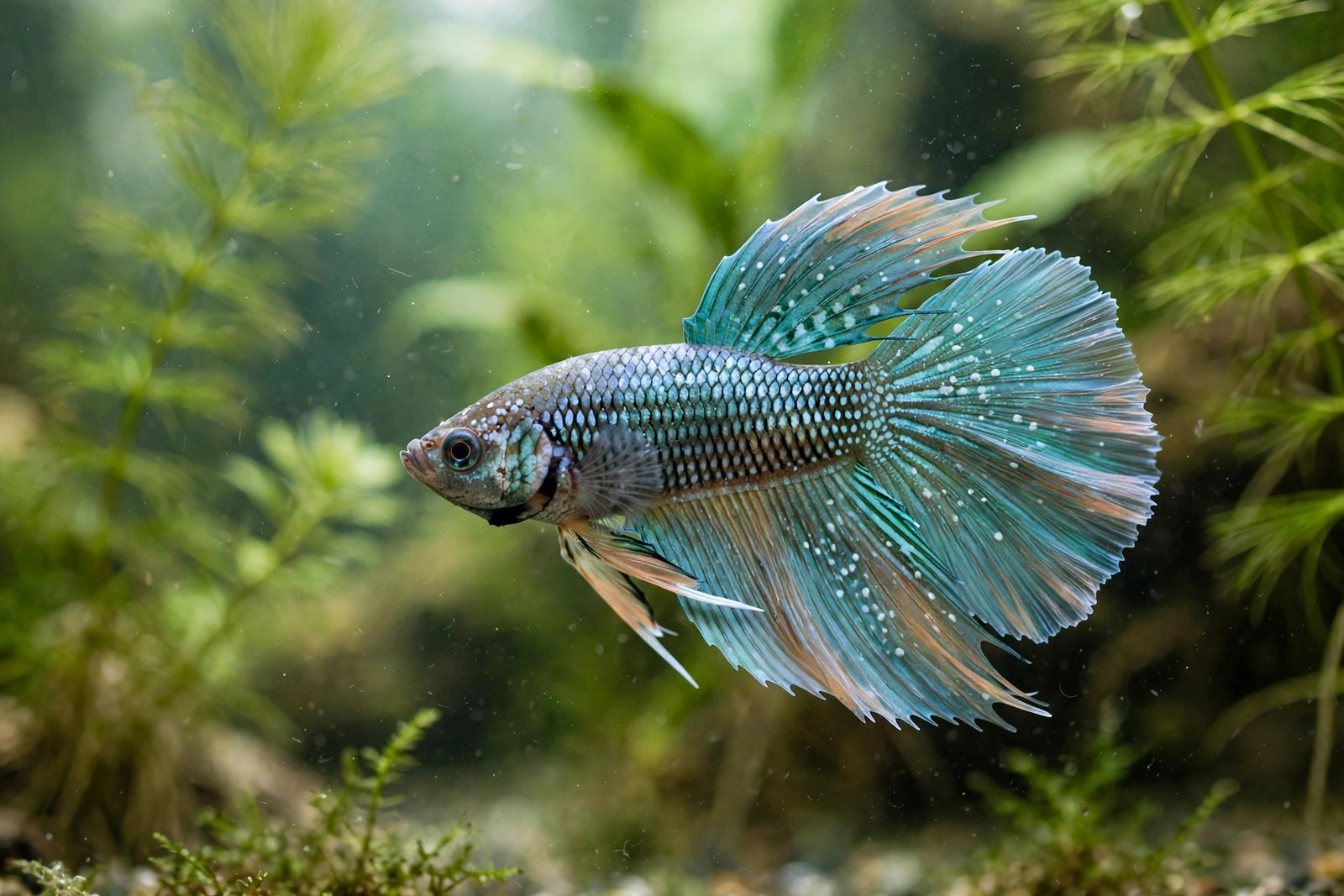
The most common cause of tiny white spots on a fish is ich, short for Ichthyophthirius multifiliis — a single-celled parasite that shows up as small, raised white dots scattered over the body, fins, and gills, often described as looking like grains of salt or sugar. Spots usually appear first on the fins, then spread across the body, and affected fish may flash against decorations, clamp their fins, breathe faster, or lose interest in food. Ich most often flares after stress — a recent move, a big temperature swing, shipping, or a sudden change in tank mates — because stressed fish have weakened defenses that give the parasite an opening. The short answer: yes, salt-like white spots very often mean ich, but a few lookalikes exist, so confirm carefully before doing anything drastic.
How to tell ich from lookalikes
Ich spots are uniform in size, pinhead-small, and raised, like tiny white grains sitting on the skin. They multiply quickly — a few spots today can become dozens in two or three days. Cottony patches, golden dust, or a single spot after a scrape point elsewhere. One useful tell: ich almost always appears on the fins as well as the body.
Immediate steps before any treatment
First, check your water. Test ammonia, nitrite, nitrate, pH, and temperature, because poor water quality makes ich worse and can make fish look spotted from stress alone. Make sure the heater is working and the temperature is stable — big swings are a classic trigger. Improve oxygenation with your filter outlet or an air stone, since sick fish with gill involvement breathe harder. Do a partial water change with treated, temperature-matched water if readings are off. Do not reach for medication yet: some products harm plants, invertebrates, scaleless fish, or your beneficial bacteria, and guessing the wrong one wastes the window for correct care.
Quarantine and protecting the rest of the tank
If you have a hospital or quarantine tank, move the affected fish there — it keeps observation easy and treatment, if an expert recommends it, contained. If you cannot move them, watch every tank mate closely for the next week: early spots are the easiest to act on. Avoid moving equipment, nets, or decor between tanks without disinfecting.
When to get professional help fast
Call an aquatic veterinarian or a genuinely experienced fish store quickly if spots are spreading, gills look swollen or reddened, fish are gasping, or more than one fish is affected. Bring your test readings, tank temperature history, photos of the spots, and a note of anything added to the tank in the last two weeks. This context is exactly what a good professional needs to give useful guidance instead of generic guesses. Never diagnose from a single internet photo, and never dose based on a forum thread — treatment decisions belong to someone who knows aquatic medicine.
How KinsLe helps
When your fish show worrying spots, the fastest move is talking to someone who knows aquatics — and KinsLe's Pet Services Directory helps you find local vets and aquarium specialists near you. You can also keep each fish's photos and health notes in its KinsLe profile, so the spots' progression is documented for whoever you consult. Talk through those salt-like spots with a veterinarian or aquarium specialist found through the Pet Services Directory listings on KinsLe.