
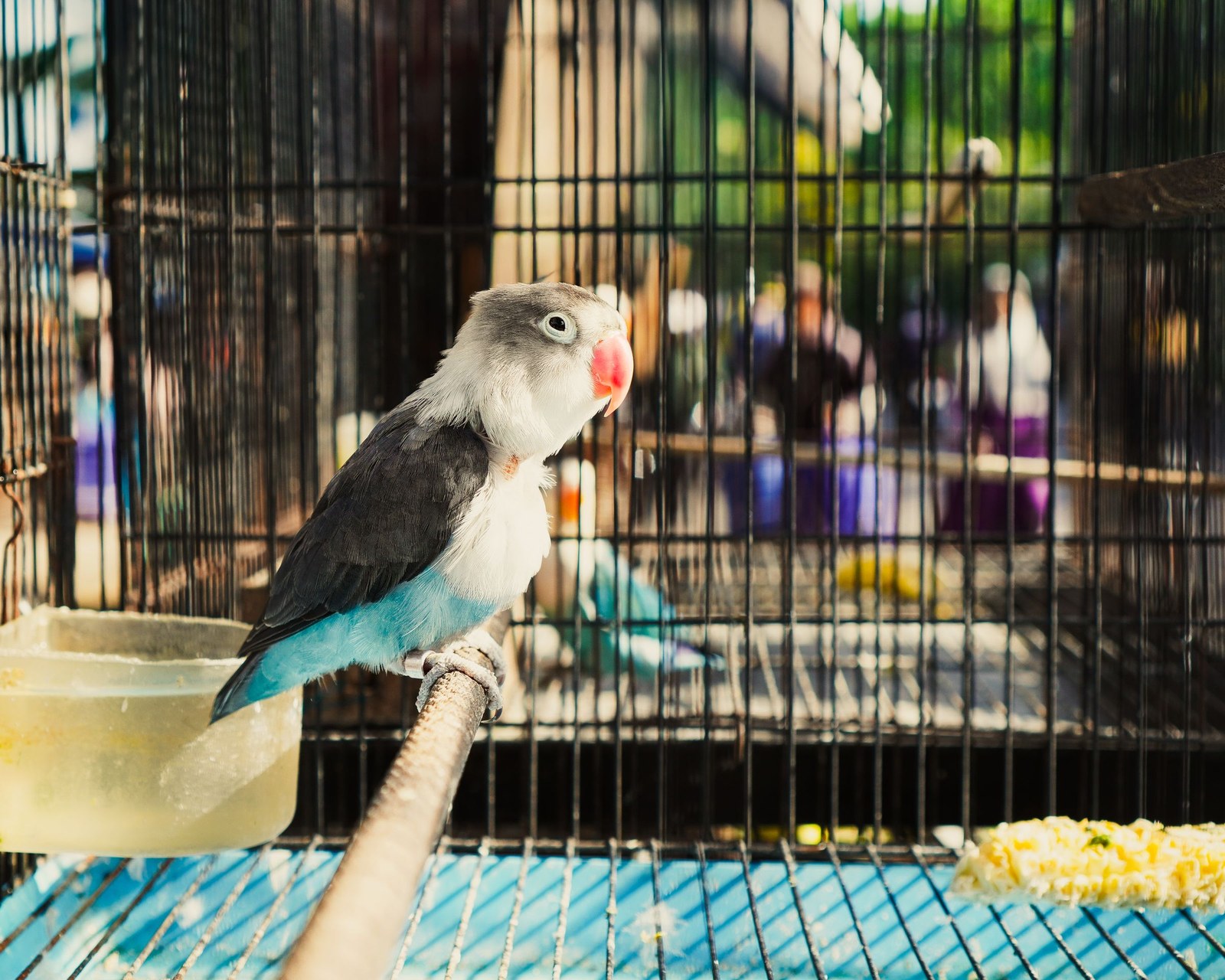
To prepare for boarding your parrot, choose a boarder or sitter with real bird experience, supply your parrot's own food with written feeding instructions, include favorite toys, and leave clear notes on sleep, handling, and out-of-cage rules — plus emergency contacts and your avian vet's details. Good preparation is what lets an experienced carer keep your parrot's world feeling normal while you are away.
Choosing the Right Boarder
Not every pet sitter is a bird sitter. Ask specifically about parrot experience: which species they have cared for, how they handle a bird who does not want to step up, and what their daily routine looks like. Ask about safety practices that matter enormously for birds — no non-stick cookware fumes, scented sprays, or candles around boarding birds, secure doors and windows during out-of-cage time, and strict separation from cats, dogs, and other animals.
Visit if you can. A clean, calm space, appropriate cages, and staff who talk about individual birds by name and habit are good signs. Check how they handle emergencies and whether they will contact your avian vet directly.
The Food and Belongings to Send
Send your parrot's exact usual food, measured or clearly described, with written instructions — brand, amounts, times, and which fresh foods are normal for your bird. Sudden diet changes in a strange place add stress and can mask appetite changes a carer needs to notice. Include:
- Main diet plus familiar treats, with anything forbidden clearly listed
- A favorite toy and one comfort item from home
- Your parrot's sleep cover if they use one, with the sleep hours written down
- Any vet-directed items your carer is expected to give, with clear written instructions
Label everything. In a busy boarding setting, labeled food and notes prevent mix-ups between birds.
The Written Notes That Make the Difference
Cover sleep schedule, wake time, handling preferences, step-up reliability, known fears, favorite activities, and out-of-cage rules. Note your parrot's normal appetite, droppings, and vocal patterns, so a carer can spot a change. Be honest about biting, screaming triggers, or escape artistry — a prepared carer handles those safely, while a surprised one may not.
Leave your contact details, a local emergency contact who can make decisions, and your avian vet's name, address, and phone number. Say clearly who may authorize emergency care if you cannot be reached.
Safety and Health Checks
Confirm the facility's cleaning routine, how cages and dishes are disinfected between birds, and whether boarding birds are kept away from new or unwell arrivals. Ask what information they need from your vet records before the stay. If your parrot seems unwell before drop-off, postpone and call your vet — boarding is not the place to hope something passes.
Hand Over Care With Care Pass
KinsLe's Care Pass gives your boarder a temporary scoped link for your parrot — the recipient needs no account or app on their end — so the key care details travel with your bird in a controlled, time-limited way instead of as scattered texts and printouts. Set it up before drop-off and walk your carer through it once. Before drop-off, send your boarder the Care Pass on KinsLe, active only from drop-off through pickup, covering just feeding amounts and times, sleep-cover hours, handling and out-of-cage rules, and avian vet contacts.