
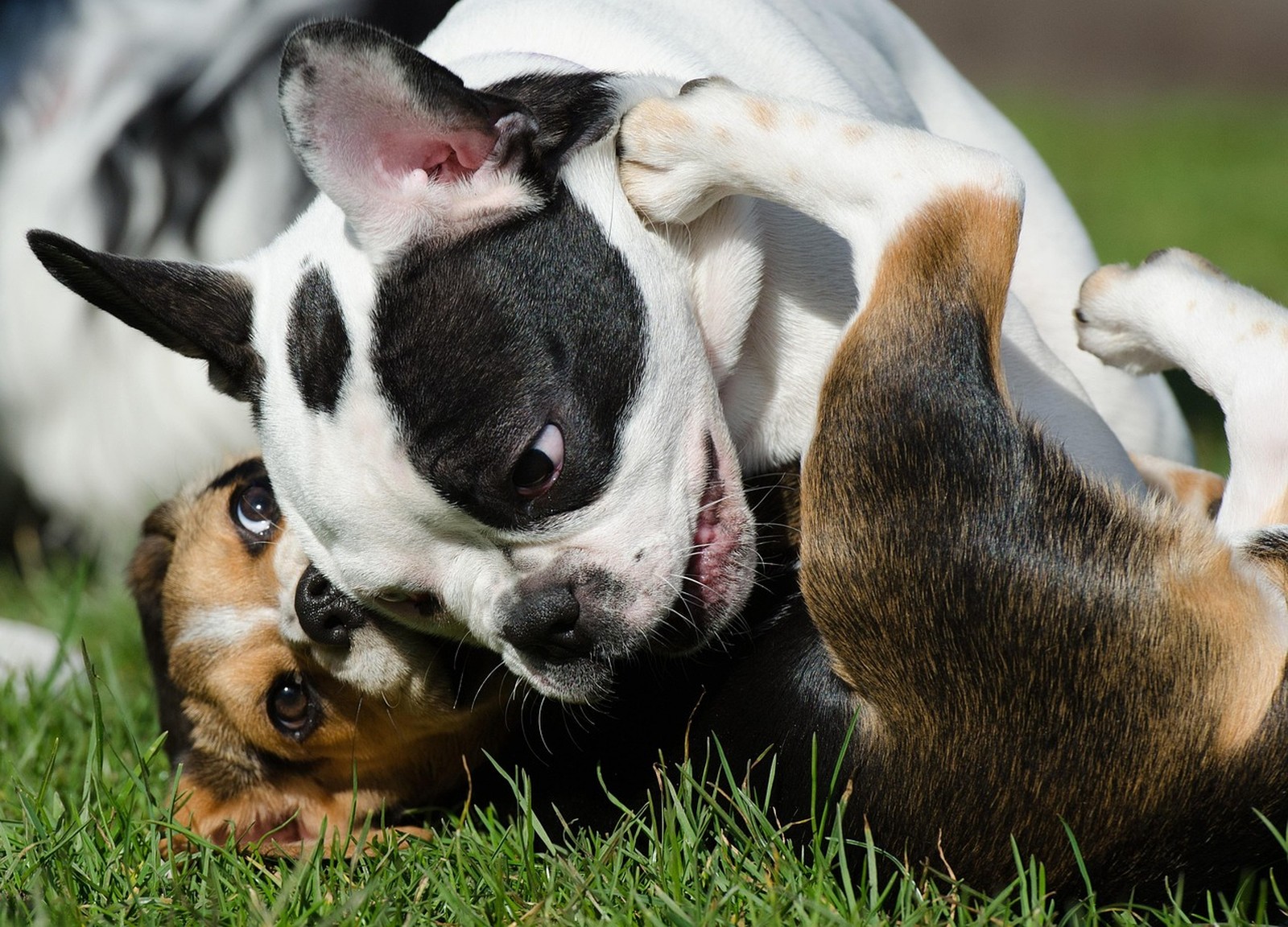
A Boston Terrier's first year is one of the friendlier introductions to dog ownership, provided you respect the engineering limits of a short-faced breed. Bostons are bright, people-centred little dogs who learn house rules quickly, clown for an audience, and snore like freight trains. The year is less about workload than about heat, weight, and eyes.
Puppy months: manners, mouths, and meeting everyone
Boston puppies socialise easily and should meet plenty of people, dogs, and places while young, because the adult dog's charm depends on that early confidence. Training goes quickly with food rewards and short games, and the priorities are the practical ones: recall, walking without lunging at new friends, and greeting visitors without springing chest-high, a habit easier prevented in a puppy than corrected in a muscular adult.
House-training usually progresses steadily with a consistent routine and frequent trips outside, though excitement piddling when guests arrive is common in youngsters and fades with calm greetings. Teething brings determined chewing, so rotate tough toys and keep shoes, cables, and children's toys behind closed doors until the phase passes.
Living with a short face
The flat face shapes daily decisions all year. Bostons overheat fast, so summer exercise moves to cool hours, walks shorten on humid days, and a puppy who is panting heavily, drooling more than usual, or sounding raspier than normal is a dog to stop, cool, and rest, with a vet call if breathing does not settle promptly. Swimming is a supervised, life-jacket activity at most, since many Bostons swim poorly, and rough play that leaves the dog gasping needs interrupting even when the dog wants more.
Those prominent eyes are the other watch-point. Check them daily for redness, cloudiness, squinting, or pawing, especially after play in long grass or tussles with other dogs, and raise any change with a vet quickly, because eye problems in this breed reward same-day attention rather than a watching brief.
Weight, wind, and the adolescent appetite
Bostons love food, exercise moderately, and gain weight quietly under a short coat, so measure meals, keep treats small and counted, and aim to feel ribs easily under your hands at every stage of the year. A lean Boston breathes, moves, and copes with heat better than a round one, which makes portion discipline a welfare issue here, not a cosmetic one.
Be prepared for gas. The breed is famously flatulent, and while diet tweaks and slower feeding with a divided bowl can help, sudden changes in appetite, vomiting, diarrhoea, or a swollen tummy are vet matters, not jokes. Snoring, by contrast, is normal background music unless breathing at rest turns laboured or the dog cannot settle, which again deserves a prompt conversation with your vet.
The shape of a good first year
Coat care is minimal, a weekly brush and the odd bath, and companionship needs are the real daily cost, since a Boston left alone all day becomes a miserable, destructive shadow of itself. Get the heat, weight, and eye checks into your routine and the year is mostly fun, and KinsLe's Pet Passport helps by keeping your Boston's vaccinations, check-up notes, and weight records in one portable packet you can hand over at any appointment.