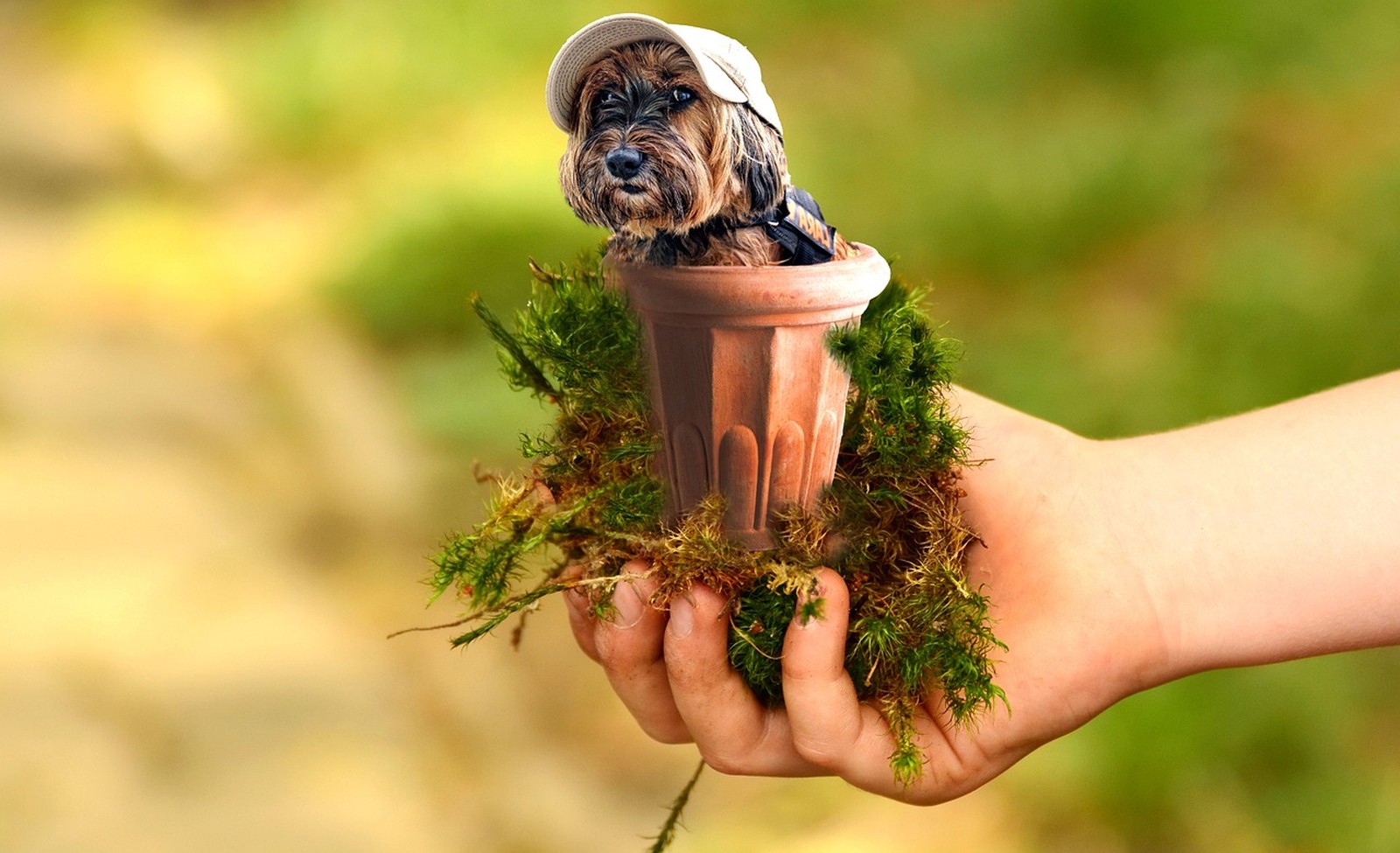
A Yorkshire Terrier puppy fits in two hands and behaves as though the household revolves around him, which, by the end of the first year, it largely will. Yorkies are true terriers in miniature: bold, bright, vocal, and intensely bonded. The year is delightful but demands more care than most small breeds, because a Yorkie puppy is genuinely fragile and because the breed's confidence needs shaping before it hardens into reactivity.
Fragility Shapes the Early Months
A tiny Yorkie puppy can be injured by a fall from a sofa, a misstep on stairs, or an enthusiastic child squeezing too hard. Ramps or carried trips on stairs, supervised floor-level play, and teaching children to sit on the floor and let the puppy climb into a lap are basic safety, not fussiness. Jumping off furniture should be discouraged from the start, since the fine bones in those slim legs take the impact every time.
Feeding is the other early vulnerability. Very small puppies have limited reserves, and a puppy who skips meals can become unwell quickly, so small, frequent meals on a reliable schedule matter more than in larger breeds. A Yorkie puppy who is lethargic, wobbly, or refusing food needs prompt veterinary advice rather than a wait-until-tomorrow approach, because tiny puppies decline faster than their size suggests they should.
House Training a Small, Opinionated Terrier
Yorkies have a reputation for slow house training, earned through small bladders, weather reluctance, and terrier stubbornness. Tiny puppies also produce tiny accidents that go unnoticed and unlearned, so supervision and confinement to a small, puppy-proofed area when unwatched are the unglamorous keys. Frequent trips to one outdoor spot, warm praise, and a consistent routine eventually win, though many Yorkies take most of the first year to become fully reliable.
Some owners add an indoor toilet option for bad weather or apartment living. That can work, provided the puppy learns one clear place rather than a general permission to use carpets, which is why a defined mat area beats hopeful improvisation.
Silk Coat or Puppy Cut
The famous steel-blue and tan coat grows like human hair and needs combing to the skin daily if kept long, or it mats behind the ears, under the harness, and along the legs. Many owners choose a short, neat clip that keeps the Yorkie look with a fraction of the upkeep. Either way, the fine hair in the eyes needs tying up or trimming, teeth need early attention because small jaws crowd teeth and dental trouble is a breed theme, and a puppy who learns to accept a toothbrush in year one saves real difficulty later.
A Watchdog in Miniature
Yorkies announce everything. Door barking, window commentary, and opinions about passersby are breed standard, and without training the volume grows with the dog. Teaching a quiet cue by rewarding the pause after an alert, and giving the puppy a mat to settle on when visitors arrive, channels the instinct into something livable.
Socialization decides whether boldness stays charming. A Yorkie carried everywhere and never set down among the world can become fearful and snappy; a puppy who walks on his own four feet, meets calm people and dogs, and learns that strangers are boring grows into the confident, jaunty adult the breed should be. Resource guarding of laps and favorite people also appears in under-socialized Yorkies, so share the cuddles and reward calm behavior around visitors.
The Yorkie at One Year
At a year, a well-raised Yorkie is a portable, devoted companion with a big-dog attitude and a manageable routine, still vocal, still convinced of his importance, and usually glued to one favorite person. The year asked for vigilance about safety and dental and coat habits more than exercise, which stays modest. For the times someone else takes over that careful routine, KinsLe's Care Pass gives your Yorkie's sitter temporary, clear access to meal timings, handling limits, and daily notes while you are away.