
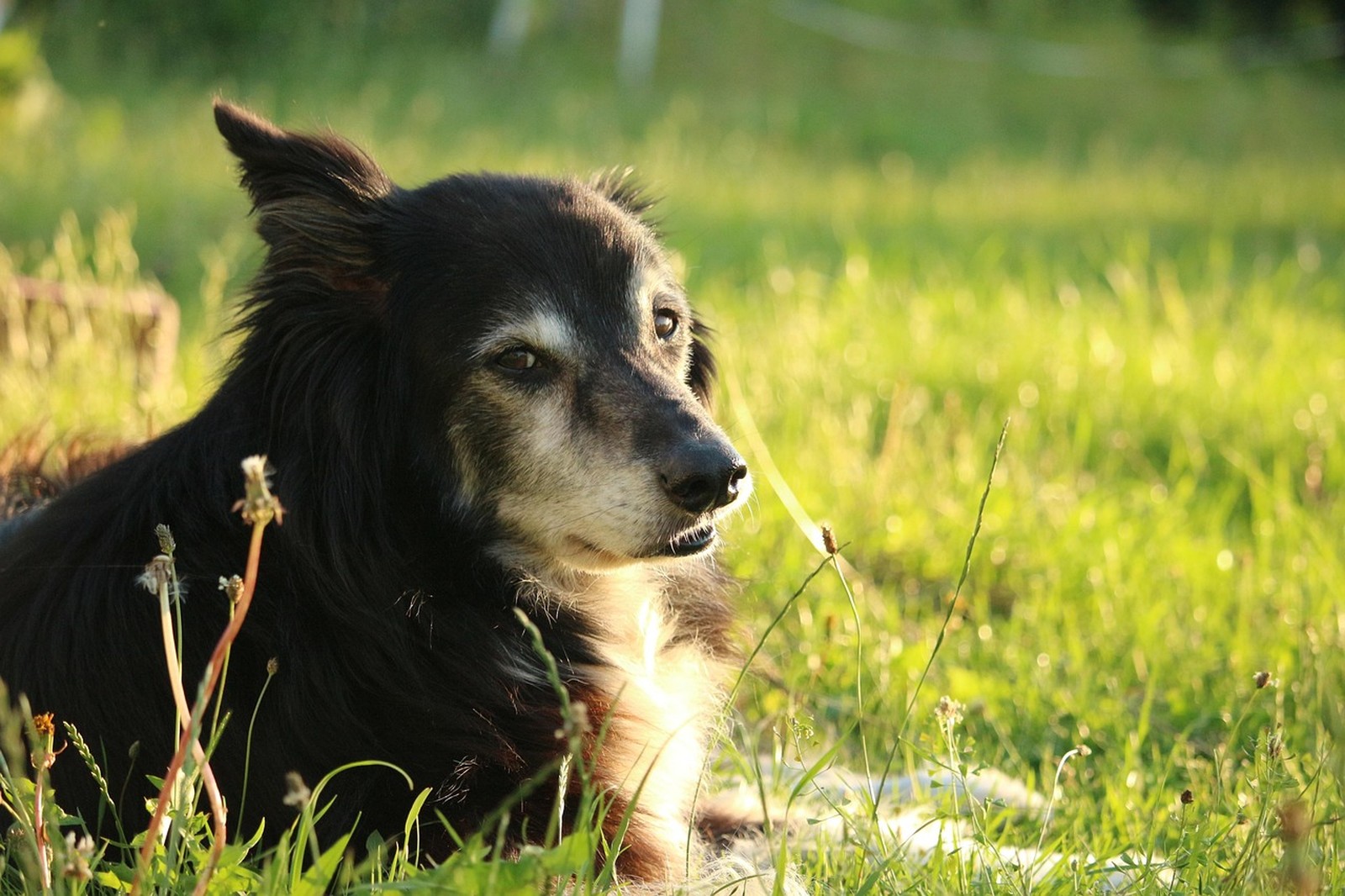
Workload Is What Drives the Bowl
A pet dog's day might total an hour of walking and some garden play, and his food is built around that modest output. A sheepdog gathering hill ground, a sled dog in training, or a search dog working long shifts spends hours in sustained effort, often in cold or rough country, and that work has to be paid for in food. The extra a working dog needs is therefore not a treat or a supplement sprinkled on top. It is a genuinely larger ration, scaled to the hours and intensity of the job, and it should rise and fall with the working season rather than staying fixed all year.
More Energy, and More of It From Fat
Fat is the fuel a dog draws on during long, steady work, so working rations typically carry a larger share of energy from fat than a pet food does, alongside enough protein to rebuild muscle that hard days break down. Protein also matters during rest days in a working week, when repair actually happens. Simply doubling a pet dog's usual kibble can overwhelm the stomach before it meets the need, which is why many working dogs do better on a food formulated for active dogs, fed in the right amount, than on a mountain of a maintenance diet. Any change of food should still be made gradually over several days to protect digestion.
Timing Meals Around the Work Itself
A working dog should not head out on a full stomach. Feed the main meal after work, when he can digest it during rest, and offer a smaller portion well before the shift if he starts early. Water is part of the feeding plan, not an afterthought: offer it at breaks during long work, especially in warm weather, and let him drink his fill once the work ends. On multi-day work away from home, pack the exact food he eats at home, because a sudden new diet plus travel and exertion is a reliable recipe for an upset stomach in the middle of a working trip.
Reading Condition Instead of Appetite
Working dogs often eat with enthusiasm that outlasts their real needs on light weeks and lags behind them at peak demand, so appetite alone is a poor guide. Run your hands over his ribs weekly: you should feel them under a thin covering, not see them from across the yard and not hunt for them under padding. Watch stamina late in the day, how quickly he recovers his breathing, and whether his weight holds across a fortnight of similar work. Losing condition during the season means the ration needs to rise even if the bowl is already generous; gaining during a quiet spell means it should ease back before the extra weight burdens his joints.
Keeping Every Handler on the Same Ration
Working dogs are often fed by whoever finishes first, and small differences between handlers quietly change the diet. Agree the amount, the food, and the meal times in writing, and treat rest-day feeding as its own instruction rather than a guess. In KinsLe, Care Teams turns that working ration into assigned duties for each handler, with completed feedings marked by a timestamp, so the dog's fuel stays steady no matter who is holding the scoop.