
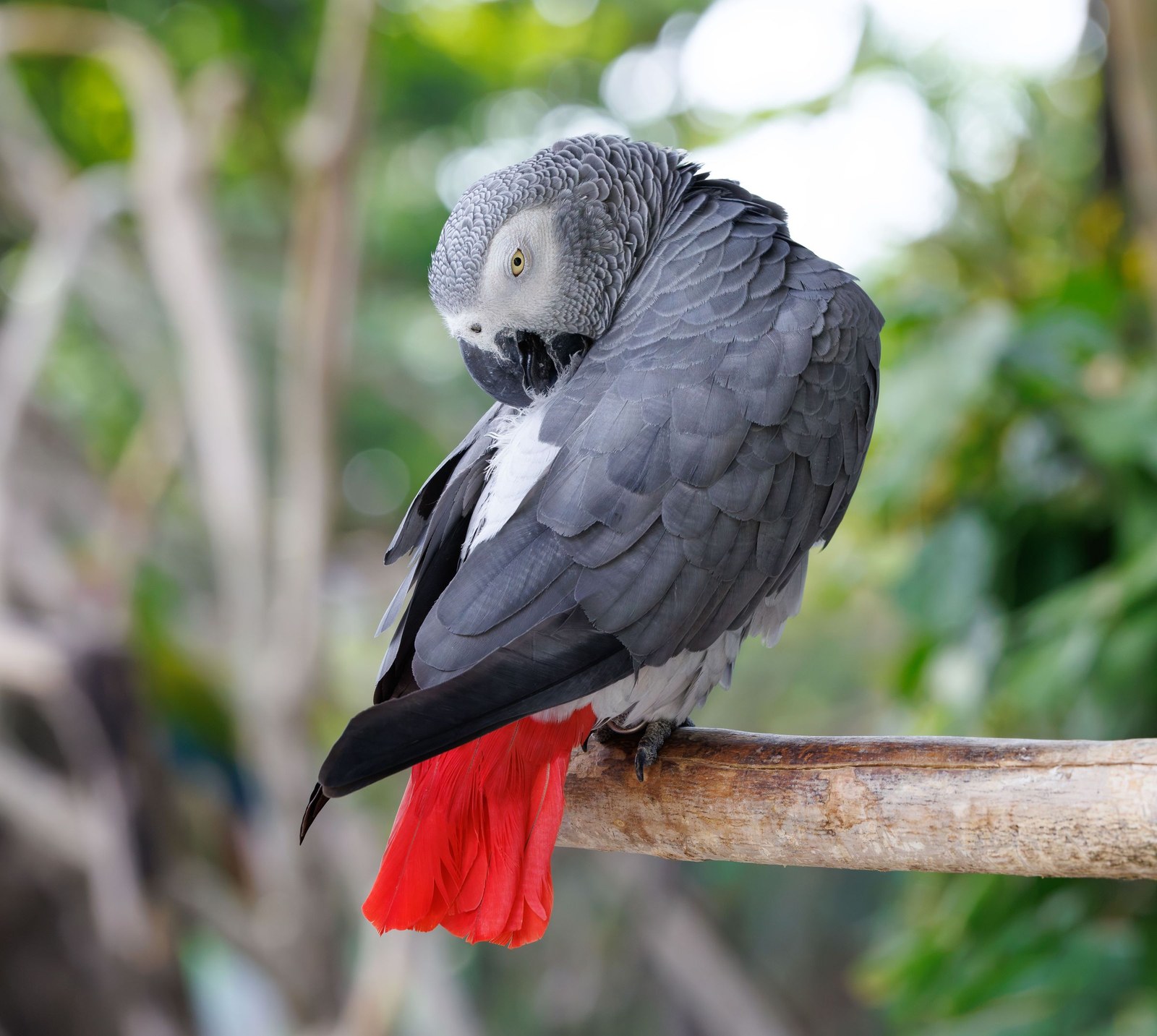
Several everyday foods are genuinely dangerous for pet birds: avocado, chocolate, caffeine, and alcohol top the list, along with salty, fatty human snacks and the seeds and pits of fruits like apples, cherries, and peaches. Because birds are small and process substances fast, even a bite-sized amount of the wrong food can become an emergency.
The Most Serious Offenders
Avocado is the one that surprises people most — it contains persin, which is toxic to birds and can affect the heart; no part of the fruit, including guacamole, is safe. Chocolate contains theobromine and caffeine, both dangerous stimulants for a bird's small body, and baking chocolate and cocoa are the most concentrated forms. Caffeine itself — coffee, tea, energy drinks — is off-limits for the same reason. Alcohol is never safe in any amount. These are not 'a little won't hurt' foods; keep them entirely out of reach.
Risky Foods Owners Often Miss
- Apple seeds and stone-fruit pits — contain harmful compounds; serve the flesh only
- Onion and garlic — can damage red blood cells; skip them raw or cooked
- Dried beans served raw or undercooked — some, like kidney beans, are toxic until thoroughly cooked
- Salty and fatty snacks — chips, fries, and processed meats strain a bird's system quickly
- Sugar-free products with xylitol — a sweetener that is dangerous to pets and has no place near birds
- Dairy in quantity — birds do not digest lactose well, so milk-based foods are best skipped
When a food is not on your bird's known-safe list, the default answer is no until an avian vet says otherwise.
Hazards Beyond the Bowl
Food danger is not only about eating. Fumes from overheated nonstick cookware can be lethal to birds sharing kitchen air, and aerosol sprays, scented candles, and cigarette smoke all threaten a respiratory system far more sensitive than ours. Keep pet birds out of the kitchen while cooking with nonstick pans at high heat, ventilate well, and never spray anything aerosol near the cage.
If Your Bird Eats Something Dangerous
Do not wait for symptoms and do not try home remedies. Call your avian vet — or an animal poison helpline — immediately, and be ready to say what your bird ate, roughly how much, and when. Keep the packaging if there is one. Fast, accurate information gives the vet the best chance of helping, and minutes genuinely matter with patients this small.
Keeping the Do-Not-Feed List Where Everyone Can See It
The most dangerous treat is usually an innocent one, offered by a guest or a well-meaning family member who simply did not know. KinsLe's Pet Passport — your bird's records packet for vaccines, medications, allergies, and documents — is the natural home for a clear do-not-feed list, written down alongside the rest of the health record and shareable with vets and sitters before they ever offer a snack. One shared list closes the gap that good intentions fall through. Add avocado, chocolate, and every other banned food to the never-feed list in the Pet Passport file on KinsLe, stored alongside the bird's health records.