
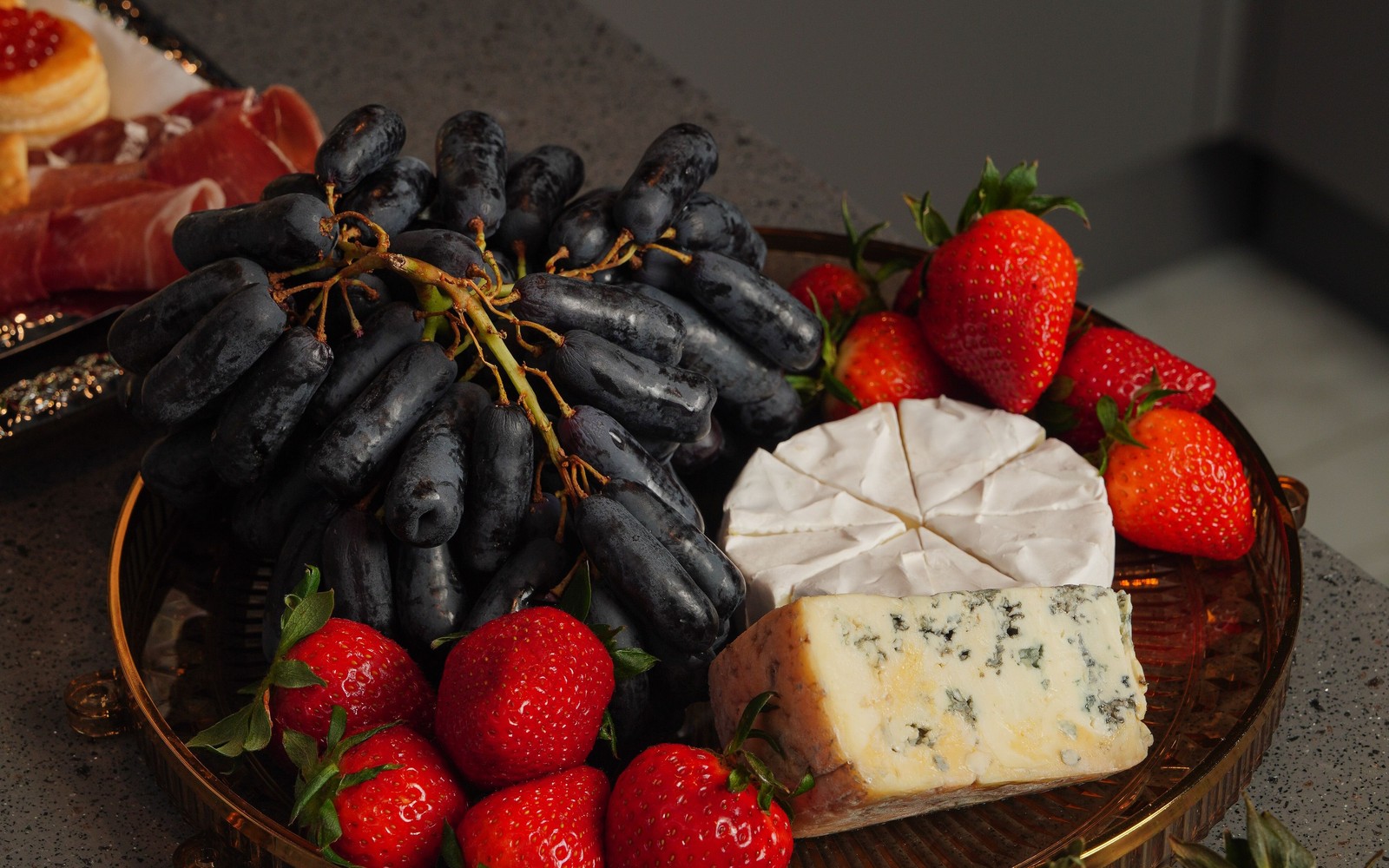
Chocolate, grapes and raisins, onions and garlic, xylitol, macadamia nuts, and alcohol are toxic to dogs and can be dangerous even in small amounts — keep them out of reach and act fast if your dog eats any of them. Other risky foods include cooked bones, caffeine, avocado pits, raw yeast dough, and salty or fatty foods that can cause serious illness. When in doubt, treat a food as unsafe until a veterinarian confirms otherwise.
The Most Dangerous Foods, and Why
Chocolate contains theobromine and caffeine, which dogs process slowly. Dark and baking chocolate are the most concentrated, but no chocolate is safe. Grapes, raisins, currants, and sultanas are unpredictable — some dogs react badly to a small amount, and there is no known safe dose. Onions, garlic, leeks, and chives, raw or cooked, can damage red blood cells, with powders in soups and baby food an easy-to-miss source.
Xylitol, also listed as birch sugar on labels, is extremely dangerous. It appears in sugar-free gum, mints, some peanut butters, sugar-free candy, and baked goods. Macadamia nuts can cause weakness and tremors. Alcohol, including in desserts and hand-sanitizer-like sources, is toxic too. Keep purses, backpacks, and counters — where gum, chocolate, and raisins hide — zipped and out of paws' reach.
Everyday Foods That Still Cause Trouble
Not everything harmful is labeled poison. Cooked chicken or steak bones splinter and can injure the mouth, throat, or gut; corn cobs and fruit pits can cause blockages; fatty trimmings, bacon grease, and rich leftovers can trigger painful stomach upset and, in some dogs, pancreatitis. Moldy food, compost, and garbage can contain toxins, so secure bins with lids.
Safe in small, occasional amounts for most healthy dogs — after checking with your vet if your dog has medical conditions — are plain cooked lean meats without bones or seasoning, carrots, green beans, and plain pumpkin. Safe does not mean free-feeding: even good extras should stay a small part of the daily diet.
What to Do If Your Dog Eats Something Toxic
Do not wait for symptoms and do not try to make your dog vomit unless a veterinarian tells you to. Call your veterinarian or an emergency vet right away, or an animal poison helpline in your country. Note what was eaten, how much, and when, and bring the packaging — the ingredient list and xylitol content can change the advice. Watch for vomiting, diarrhea, drooling, restlessness, tremors, wobbliness, pale gums, or collapse, and get urgent care if any appear.
Time matters most with xylitol and grapes, so a quick call is always worth it even if your dog looks fine at first.
Protecting Your Dog When Someone Else Is Feeding
Most accidents happen during parties, holidays, and pet-sitting, when routines slip. A KinsLe Care Pass helps prevent them: it is a temporary, scoped link you share — the recipient needs no account or app — where you can include a clear do-not-feed list, allergies, and safe treats. Your sitter, dog walker, or family member sees exactly what is allowed, and risky foods stay off the menu.
At home, brief every guest: no feeding from plates, keep plates and chocolate gifts off low tables, and put leftovers straight into a closed bin.
Your sitter gets a Care Pass on KinsLe for that sitting alone, limited to the list of toxic foods that must never be offered.