
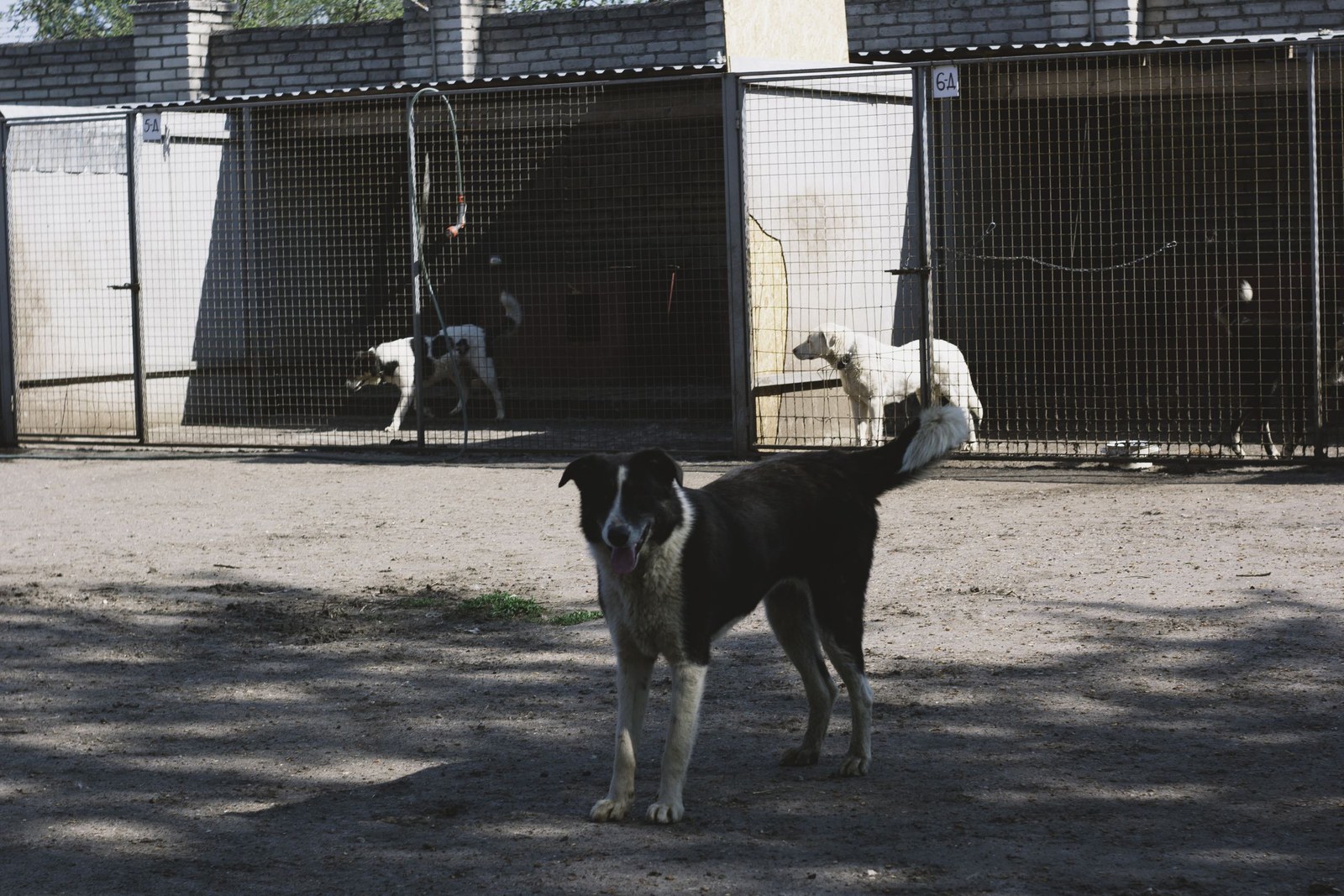
Many dogs skip a meal or two when they first board — a new kennel, new smells, new sounds, and a different feeding spot can suppress appetite even in a usually greedy dog. Tell the boarding facility in advance what normal looks like for your dog, what reliably tempts them, and when missed meals should trigger a call to you or a vet, so staff are not guessing.
Why Dogs Go Off Their Food Away From Home
Stress is the most common reason. A Beagle who inhales breakfast at home may turn away in a busy boarding block simply because everything is unfamiliar and exciting or overwhelming. Routine matters too: if meals arrive two hours later than usual, after a group play session instead of before a walk, some dogs are too tired or overstimulated to eat. A change in bowl, a different room, or watching other dogs eat nearby can also throw off a sensitive eater.
Age and breed play a part. Puppies and anxious dogs often miss more meals at first, while seniors may eat less if their teeth hurt on unfamiliar kibble or if they are disoriented by the change. Most dogs settle within 24 to 48 hours as the new routine becomes predictable.
Tell the Facility What Tempts Your Dog
Before drop-off, share a short appetite profile:
- Normal pattern: grazes, eats instantly, or sometimes skips breakfast at home too
- Tempters that work: a spoonful of their usual topper, warm water on kibble, hand-feeding a few pieces, or a quieter feeding spot
- Hard limits: allergies, sensitive stomach ingredients, and foods they must never have
- How they take medication hidden in food, if that applies
- The point at which you want a phone call, rather than waiting until pickup
Pack enough of their exact usual food for the whole stay, plus a little extra, in labeled portions. A sudden food switch on top of a new place is a recipe for an upset stomach. If your dog uses a slow feeder or a raised bowl at home, ask if you can send it — familiar equipment helps.
When Not Eating Is a Reason to Act
Missing one meal with bright, normal behavior is very different from refusing food alongside other signs. Ask the facility to contact a veterinarian promptly if refusal continues beyond what you agreed, or if it comes with vomiting, diarrhea, repeated drooling, lethargy, a swollen belly, or not drinking water. Puppies, tiny breeds, seniors, and dogs with ongoing health conditions should be flagged sooner, because they have less reserve.
Do not ask staff to force-feed, offer rich human food you have not approved, or keep changing foods until something sticks. Small, familiar tempters and a calm, consistent routine work better — and a vet's guidance comes before experiments if your dog seems unwell.
Keep Updates in One Thread With KinsLe Messenger
When you are away, updates can scatter across texts, voicemails, and the facility's front desk. KinsLe Messenger is the per-pet communications hub, so conversations about your dog stay tied to your dog's profile. That means appetite updates, photos from the boarder, and vet details live in one thread you can re-read at midnight in a hotel room without hunting through messages. If staff need to flag a second missed meal, you see it in context — what was offered, when, and what you agreed beforehand. Ask the facility to post appetite updates in the KinsLe Messenger hub on KinsLe, so a second missed meal reaches you with the full feeding history attached.