
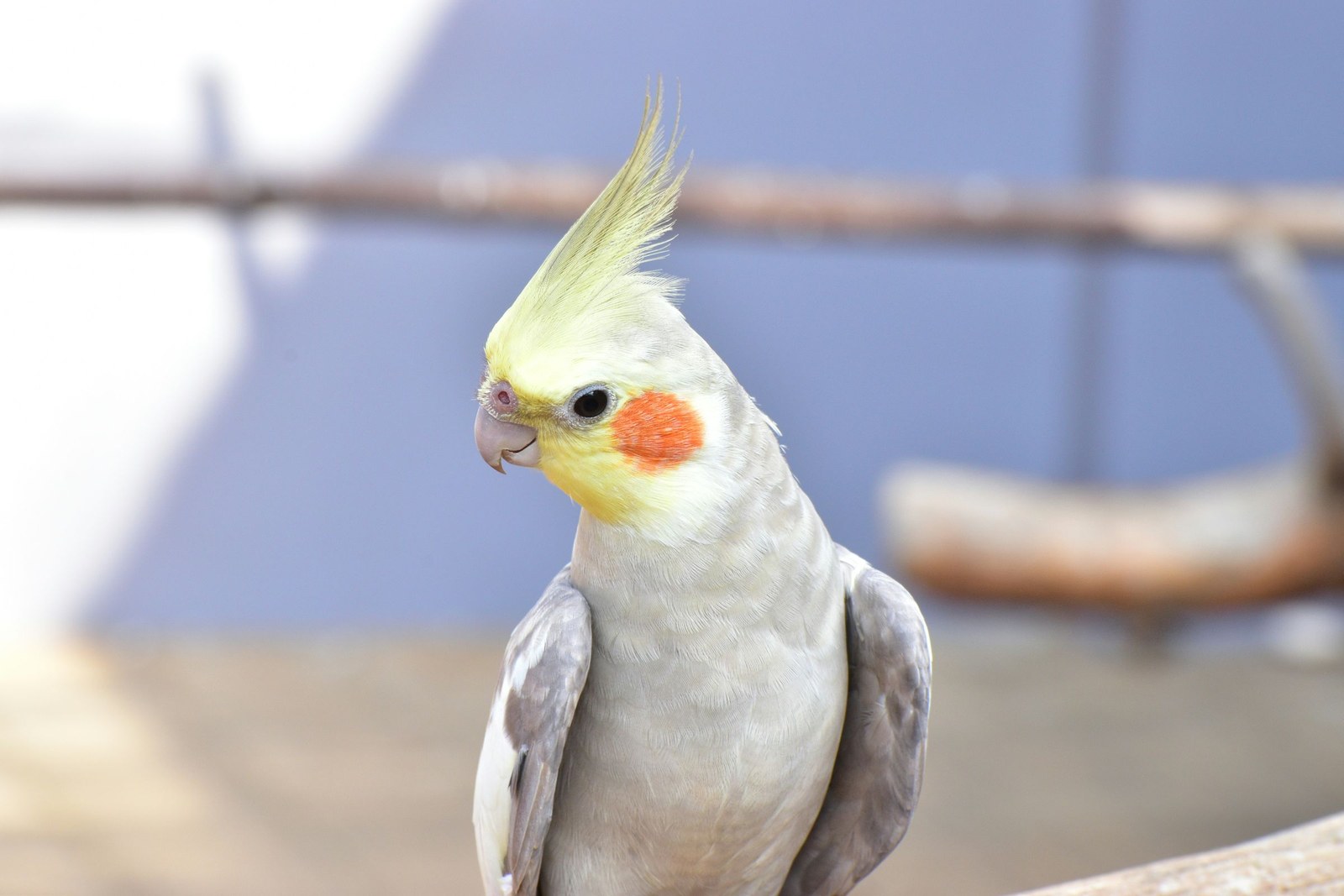
For most beginners, a budgie or a cockatiel is the best first pet bird. Both are social, relatively gentle, and forgiving while you learn the daily rhythm of feeding, cleaning, and bonding. If you would rather watch and listen than handle a bird, finches and canaries are wonderful first birds too. The right choice depends less on which bird is cutest and more on how much noise, interaction, and lifespan you are ready for.
Why Budgies Work So Well
Budgies are small, cheerful, and chatty rather than loud. They can learn to step onto a finger, enjoy out-of-cage time, and some males learn words. Their cages and food cost less than a large parrot's setup, and their bite is far less intimidating while you are learning to read body language. A single budgie needs several hours of your attention daily, so many owners keep a same-species pair — but two birds may bond more to each other, which is fine if companionship matters more than taming.
Why Cockatiels Are a Step Up
Cockatiels are a little larger, dusty, and affectionate. Many whistle tunes, raise their crests when curious, and happily ride on a shoulder. They need a bigger cage, more out-of-cage flying time, and patience during their sometimes dramatic teenage phase. They also produce feather dust, so they are a poor fit for anyone with serious bird-dander sensitivity. In return, you get a bird with big personality that often lives well into its teens and twenties.
The Watch-and-Listen Option
Finches and canaries do not want to be held, and that is their charm. A pair or small group of zebra or society finches will fill a wide flight cage with motion and soft beeping, while a male canary sings. If handling would make you nervous, or you simply love the idea of a living, musical corner of your home, these birds may fit better than any parrot. They still need daily fresh food and water, weekly cleaning, and room to fly — hands-off never means care-free.
Questions to Answer Before You Choose
- How much noise can your household — and your neighbors — happily live with?
- Can you give an interactive bird daily out-of-cage time for the next decade or more?
- Is there an avian vet within reasonable travel distance?
- Who cares for the bird when you travel?
- Do you have a smoke-free space away from kitchen fumes and scented sprays? Birds have extremely sensitive respiratory systems, so nonstick-cookware fumes, aerosols, and candles are genuine hazards.
Visit birds in person if you can. Hold a cockatiel, listen to a room of budgies, and watch finches before deciding — a short visit teaches more than any description.
Starting Your First Bird's Life, Organized on KinsLe
Whichever species you choose, your first pet profile is free on KinsLe, and every profile includes a unique QR ID for your bird. More useful in those early months, KinsLe's Circle of Love — the community network that also powers other parts of the app — connects you with fellow pet lovers, including experienced bird keepers who remember exactly what that first year felt like. Swap notes on taming, cage setups, and first molts with people who have lived it. Circle of Love on KinsLe brings newer keepers into conversation with bird owners who have lived that first year, trading practical lessons on taming, cages, and first molts.