
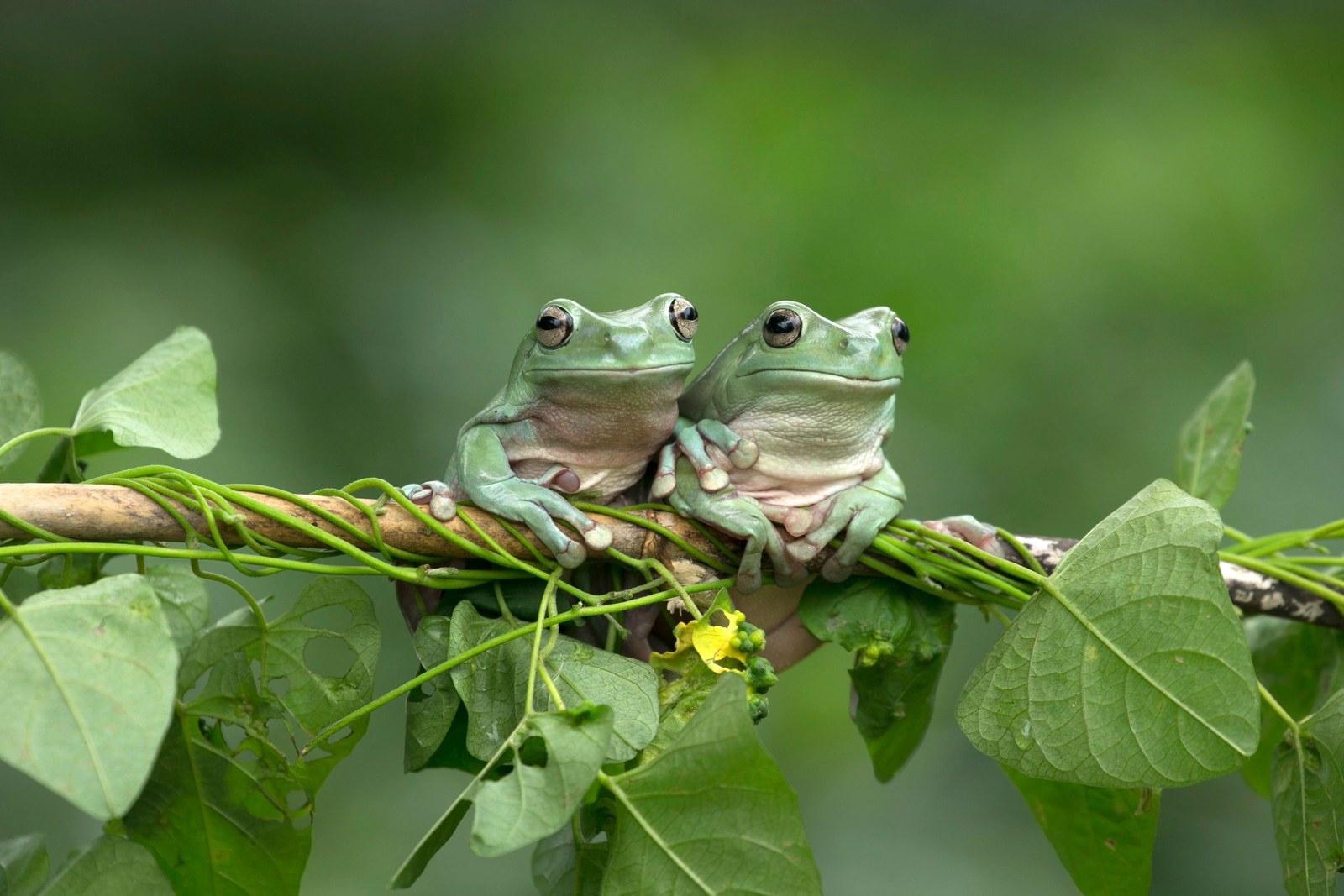
Most pet frogs eat live insects, and the menu is wider than just crickets. Crickets, Dubia roaches, black soldier fly larvae, and earthworms are the staples for common pet species like Pacman frogs, White's tree frogs, and dart frogs. The golden rule for size: offer prey no wider than the space between your frog's eyes, so it can be swallowed safely. Variety matters more than sheer size — rotating feeders gives your frog a broader spread of nutrients than any single insect can.
The Main Feeder Lineup
- Crickets — cheap, available everywhere, and the movement triggers a strong feeding response. Buy sizes matched to your frog.
- Dubia roaches — meatier than crickets, easy to keep, and they do not chirp or climb smooth walls.
- Black soldier fly larvae — naturally higher in calcium than most feeders, a real nutritional bonus.
- Earthworms — nightcrawlers, cut to size for smaller frogs, are excellent for larger species like Pacman frogs.
- Fruit flies — the staple for tiny dart frogs, which need prey far smaller than a cricket.
Avoid wild-caught insects from gardens or yards. They can carry pesticides and parasites, and some — like fireflies — are genuinely toxic to frogs.
How Much and How Often
Juvenile frogs eat daily and sometimes twice a day while growing; most adults do well every two to three days. Offer as much as your frog will eat in about fifteen minutes, then remove leftovers — uneaten crickets left overnight can stress and even nibble a resting frog. Feed in the evening for nocturnal species, when they are naturally active and hunting. Tongs help you place food precisely and keep an eager Pacman frog from associating your fingers with dinner.
Gut-Loading and Dusting Basics
A feeder insect is only as nutritious as what it ate. Feed your crickets and roaches fresh vegetables and a quality gut-load diet for at least a day before they become dinner. Dusting with calcium powder is the other half of the equation — captive insects alone are low in calcium, which frogs need for strong bones. Keep both habits consistent rather than treating them as occasional extras.
Safety Notes
Never offer prey that is too large, hard-shelled beetles, or anything caught near treated lawns. If your frog stops eating for more than a few days, loses weight, or looks bloated, consult a veterinarian who treats amphibians — appetite changes are often the first visible sign that something in the habitat or the frog's health needs attention. Always wash your hands before and after handling feeders or your frog.
Staying on Schedule With KinsLe
Live feeding runs on a rhythm — feeding days, dusting days, and gut-loading the day before — and it slips easily when life gets busy or someone else is covering for you. KinsLe's Care Teams let you assign duties like feeding, walks, medications, and grooming to family members or helpers, with timestamped completions so you can see the frog was actually fed, not just meant to be. Set up the rotation once and everyone works from the same schedule. Before a trip, set the rotation out in the Care Teams roster on KinsLe, naming who gut-loads feeders the day before, who dusts and offers prey on feeding night, and who removes leftovers, with every finished feed stamped in view.