
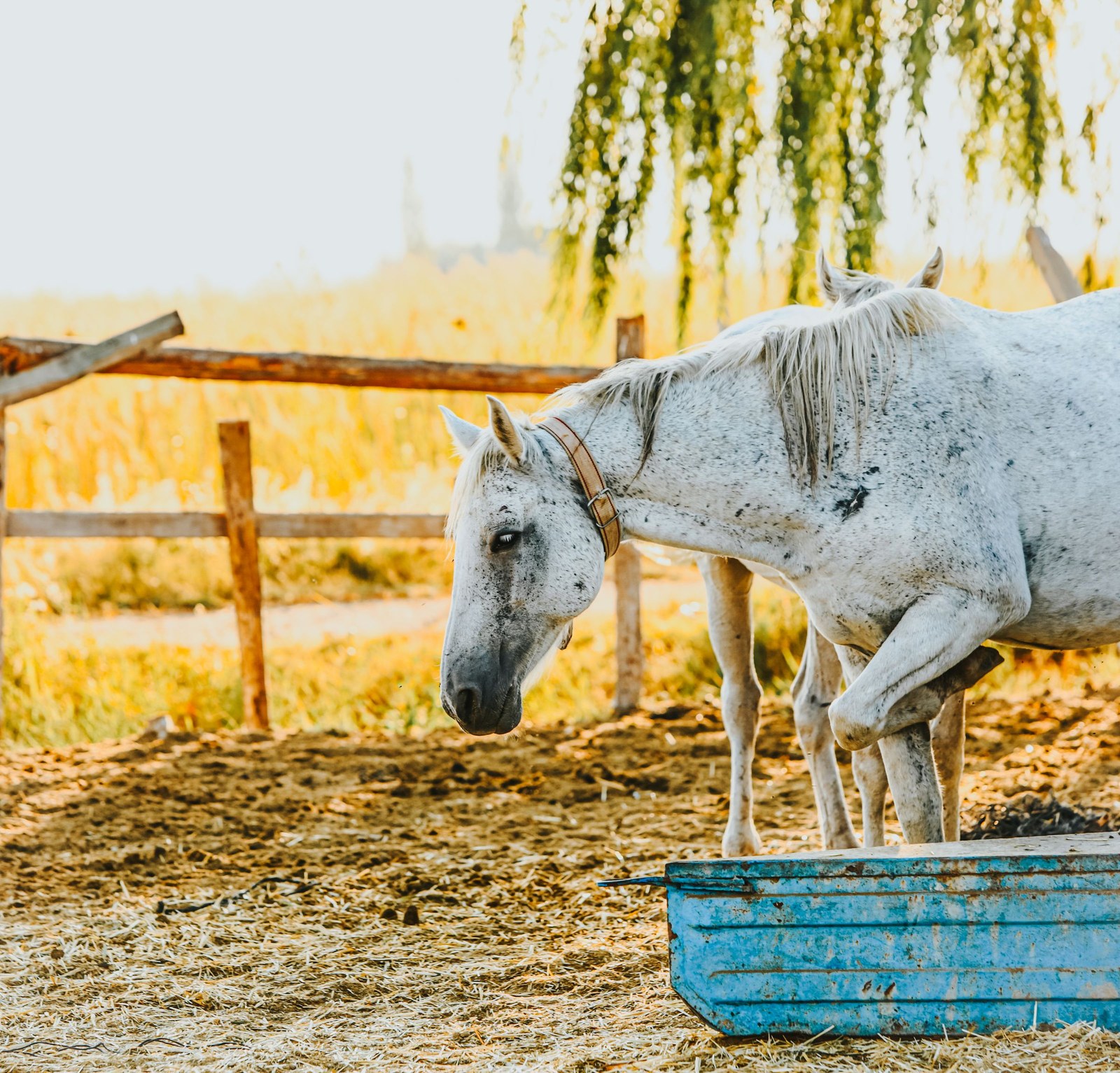
Visibility comes first with horses, because a fence line a galloping horse cannot read in time is one he may meet at speed. Build the line sturdy and smooth, size the gaps so hooves and heads cannot slip through, and hang gates that latch securely and swing fully shut. Most fencing injuries come from fences horses couldn't see, couldn't respect, or got a leg through.
The Qualities That Matter Most
Whatever material you choose, judge it against the same checklist:
- Visibility: a horse at speed needs to read the fence line clearly — wide boards, a visible top rail, or tape and rope with real width all outperform thin, bare wire
- Strength with some give: the fence should withstand leaning and rubbing without splintering into spears or snapping into hazards
- Smooth and snag-free: no protruding nails, sharp wire ends, or rough edges at horse height
- Safe spacing: gaps narrow enough that a hoof or head can't slip through and get trapped, especially for foals
- Height: generally around four and a half to five feet for most horses, so leaning over and casual jumping are discouraged
- Secure gates: latches a clever horse can't flip, hung so gates swing freely and close fully
Materials, Honestly Weighed
Wood board fencing is the classic for a reason: it's visible, strong, and breaks relatively predictably, though it needs maintenance and determined chewers will test it. Flexible rail systems mimic that look with more give on impact. Woven wire mesh designed for horses — with small openings — keeps hooves out far better than field fence with large squares. High-tensile wire and plain barbed wire sit at the risky end for horses: hard to see, unforgiving on contact, and barbed wire in particular has no place in horse fencing. Electric tape or rope works well as a visible, respected barrier or as a top strand that teaches horses to keep off a fence, provided it's properly powered and maintained. Most real barns mix materials by area: the safest, most visible fencing where horses gallop, gather, and get turned out, and sturdier utility fencing for lanes and dry lots.
The Habit That Prevents Most Problems
Even the best fence degrades. Walk your fence lines regularly — weekly is a good rhythm, and always after storms — checking for:
- Broken, cracked, or sagging boards and rails
- Loose wire, drooping tape, or a dead charger
- Fallen branches and leaning trees on the line
- Washed-out spots under gates and along low ground
- Latches that no longer close securely
Fix small things the day you find them. A single broken board is a twenty-minute repair; left alone, it's the gap a horse finds at gallop on a windy evening.
Questions that come up on the walk
A fence walk raises questions a checklist cannot settle: whether a spacing suits this year's foals, whether a flexible rail would serve a gallop field better than boards, or how a mixed fence line should be prioritised for repair. Those are questions worth taking back to the yard rather than deciding at the post. A safe fence is mostly a maintained fence, checked in person and fixed promptly. If a spacing question comes up mid-walk, put a follow-up question to KinsLe's Kimmy; she answers using the KinsLe Answers library.