
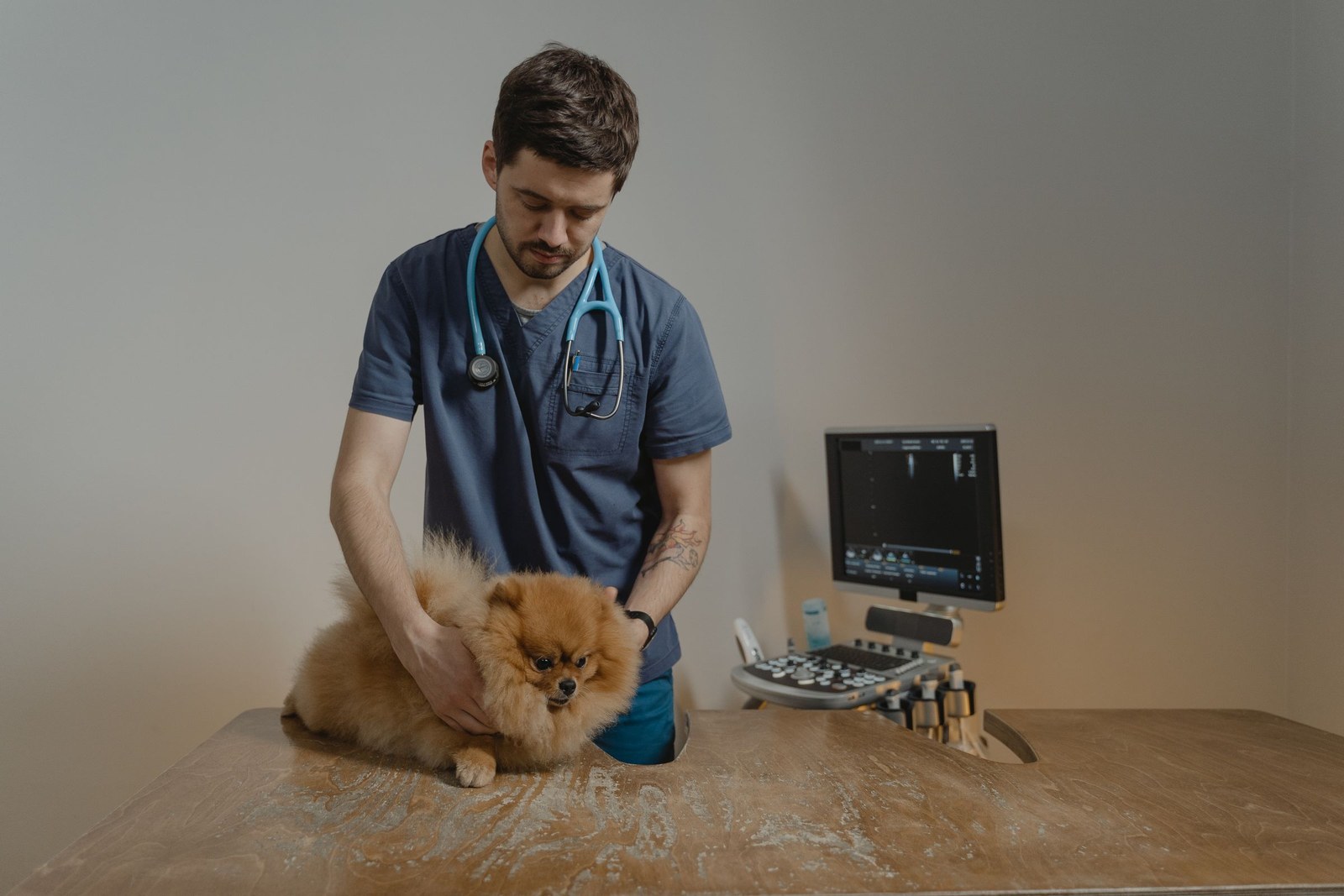
Signs that an older dog may be uncomfortable include restlessness or panting at rest, reluctance to use stairs or jump, stiffness after rest, changes in appetite or sleep, licking at joints, and withdrawing from family life — and any persistent change from your dog's normal deserves a veterinary conversation sooner rather than later. Old dogs are famously stoic, so the changes you notice are usually real, even when they seem small.
The subtle signs owners notice first
You live with your dog daily, so you will often spot discomfort before it looks dramatic. A dog who used to greet you at the door now stays in bed. A dog who loved the sofa hovers at its edge and gives up. Walks get slower, lagging appears where pulling used to be, and sitting or lying down becomes a careful, staged operation rather than a flop.
At home, watch for pacing or repeated lying down and getting up again in the evening, panting or trembling when nothing is warm or exciting, and sleep that fragments — awake, unsettled, relocating through the night. Some dogs lick or chew at a sore joint or a particular spot. Others get grumpier when touched in places they once enjoyed, snap when a grandchild hugs them, or startle when approached while resting. Appetite changes, drinking more, new house-soiling from a dog who cannot posture comfortably or reach the door in time, and dullness or disinterest all belong on the same list.
Why "just slowing down" can mislead
It is tempting to file every change under old age, but age itself is not a disease — it is a stage where diseases become more common, and many of them are manageable once identified. Arthritis, dental pain, ear problems, vision and hearing loss, thyroid and other hormonal changes, heart and kidney issues, and cognitive changes can all present as "not quite themselves." Only an examination — sometimes with blood tests or imaging — can sort out what is actually going on, which is why this article deliberately offers no diagnoses: the signs overlap too much for anyone to untangle them from a description.
When to call the vet — and how urgently
Book a routine appointment for gradual changes: stiffness, slowing down, mild appetite shifts, new lumps, or increased sleeping. Call the same day for a dog who stops eating, cries out, cannot settle at all, struggles to get up, or seems suddenly confused or weak. Treat as urgent — emergency care, not a routine booking — any dog who cannot urinate, collapses, has laboured breathing, a swollen hard abdomen, repeated vomiting, or a seizure. When in doubt, phone and describe what you are seeing; veterinary teams would far rather triage a false alarm than meet a dog a week too late.
Keep a short note before you call: when it started, what changed, appetite, toilet habits, and any medication given.
Making daily life more comfortable now
While you wait for the appointment, add ramps or steps, non-slip mats, a supportive low bed, and shorter, gentler, more frequent walks. Keep food, water, and bedding on one floor if stairs are hard. These measures help almost every uncomfortable old dog, whatever the underlying cause turns out to be.
Arriving at the vet with everything in hand
That vet visit goes better when your dog's history travels with you. KinsLe's Pet Passport is the records packet for your dog — vaccines, medications, allergies, and documents in one place — shareable with your vet or a sitter, so nothing important depends on your memory in a stressful moment. Pet Passport on KinsLe arranges vaccine dates, current medicines, and allergy flags in packet order, so the veterinarian examining your older dog reads a clean history before the examination begins.