
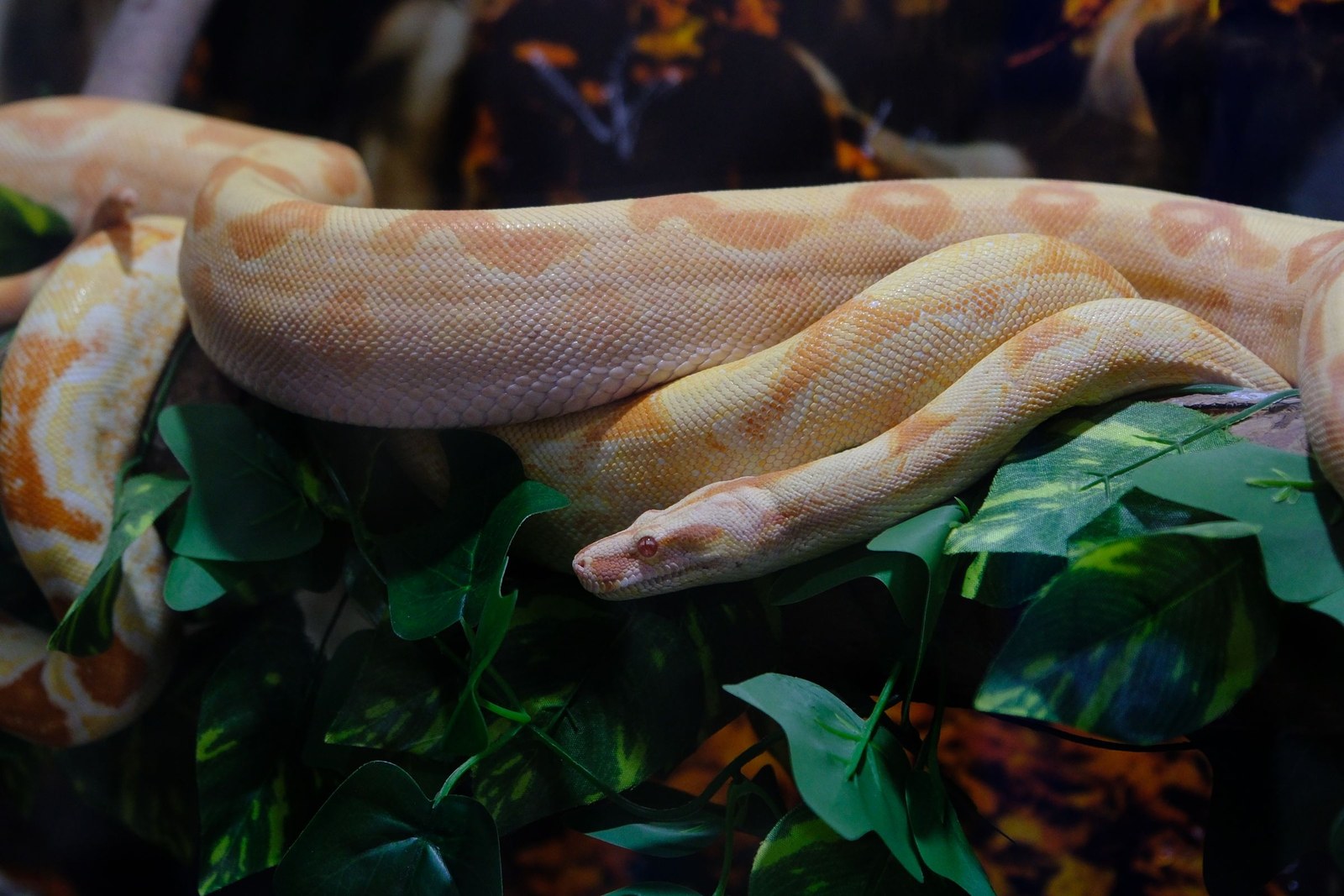
Use a snake substrate that suits your species: it should hold a little humidity without staying soggy, allow burrowing if your snake enjoys it, and be easy to spot-clean. Paper-based bedding, aspen for drier species, and moisture-friendly mixes such as cypress mulch or coconut fibre for humidity-loving species are the options keepers commonly reach for. The right answer depends on the snake in the enclosure, not on a single universal best product.
Match bedding to species and humidity needs
Start with the snake's natural history. Ball pythons and many boas appreciate bedding that holds moderate humidity, and coconut fibre or cypress-style mulches help keep their enclosures from drying out, especially in homes with forced-air heating. Corn snakes and many kingsnakes, which prefer drier conditions, often do well on aspen shavings that tunnel beautifully and show waste clearly. Burrowing species, from hognose snakes to sand boas, genuinely use deep, diggable substrate as enrichment, spending hours moving through it, so depth matters for them as much as material.
Check your humidity with a hygrometer at floor level after changing substrate types, because a new bedding can shift readings more than expected in either direction.
What to avoid, and why
Avoid cedar and pine shavings with strong aromatic oils, which are widely considered harmful to reptile respiratory systems. Skip anything very dusty, heavily scented, or made of sharp particles. Pure sand suits very few commonly kept snakes and can cause problems if ingested repeatedly. Also be cautious with very fine, dry substrates for humidity-loving species: you will end up misting constantly, fighting a losing battle the bedding itself could have won.
Whatever you use, feed in a way that limits bedding ingestion, either with tongs presenting food above a plate or clear area, or by watching meals for enthusiastic lunges into the substrate.
Depth, spot-cleaning, and full changes
A practical rule is enough depth for your snake to burrow or at least nestle into, commonly a few inches for burrowing species and a thinner, even layer for others. Spot-clean soiled sections promptly, removing waste and the bedding immediately around it, because snakes often reuse favourite corners. Full changes run on a rhythm of roughly every few weeks to monthly depending on species, enclosure size, and how messy things get, with a proper wash of the enclosure base at each full change.
Between changes, stir and inspect bedding for mould, especially in humid setups and around the water bowl where spills happen. Mouldy bedding comes out the day you find it, not at the next scheduled clean.
Shedding and soaking clues
Substrate affects sheds more than many keepers realise. A snake heading into shed benefits from a humid hide filled with damp moss or paper towel, which works regardless of your main bedding. If sheds consistently come off in flakes, review humidity and substrate moisture before anything else. On the other hand, bedding that stays wet against the belly for long periods can contribute to scale problems, so aim for bedding that feels like a wrung-out sponge at most, never a swamp. If you see blisters, discoloured belly scales, or wheezing, a reptile veterinarian should examine your snake.
Keeping bedding notes attached to your snake
Substrate type, depth, and change schedule sound trivial until someone else cleans the enclosure and reaches for the wrong bag. KinsLe's pet profiles give every pet a unique QR ID, and you can note your snake's substrate and change schedule right in its profile, so anyone helping knows exactly what to use and when it was last fully changed. That profile travels with your snake's records instead of living on a sticky note on the glass. Verified QR ID Pet Profiles also help when a lost snake turns up in a neighbor's yard: the finder scans its QR code, lands on its profile page within KinsLe, and reaches you through the contact option listed there.