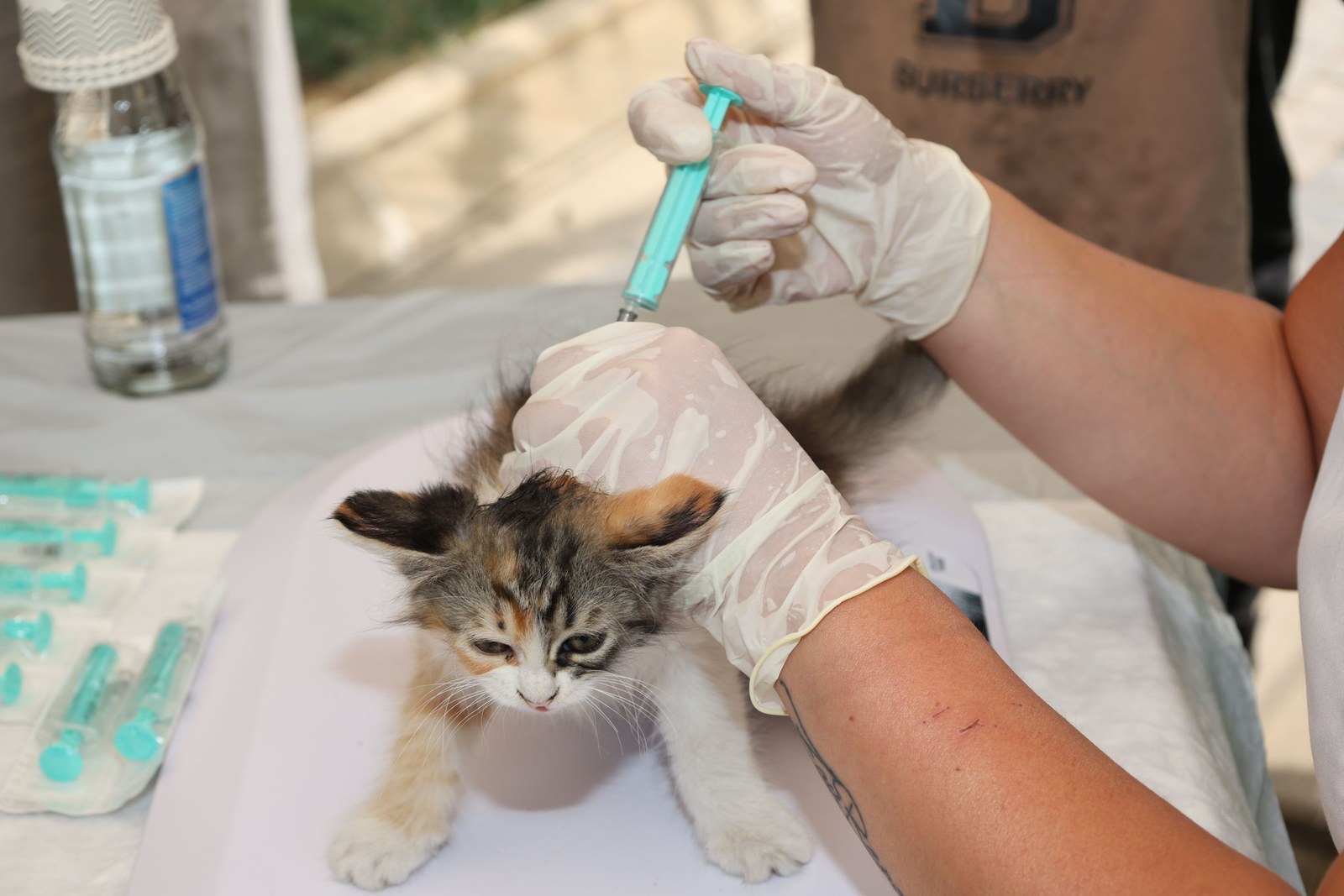
Most boarding facilities require proof of rabies vaccination and the core feline vaccines, and some ask for more — so the reliable move is to ask for the facility's exact list when you book, then bring the actual certificates or clear copies with dates that are current.
What facilities commonly ask for
Requirements vary by facility and by state and local rules, but the usual list includes:
- Rabies — the near-universal requirement, with a certificate showing the vaccination and expiration dates
- FVRCP — the core combination vaccine covering common feline respiratory and intestinal viruses
- FeLV — required by some facilities, particularly where cats share communal play space
- Bordetella — occasionally requested by facilities that also board dogs or run group play
Facilities differ on how recently boosters must have been given, and some require vaccinations to be administered a set number of days before the stay so immunity is established. That timing detail is exactly why calling ahead matters more than any general list.
Certificates, not summaries
Boarding staff need documentation they can file, which means the actual vaccine certificate or a clear copy of it — the document showing your cat's name, the vaccine given, the date administered, and the expiration or due date. A verbal "she's up to date," a receipt without vaccine details, or a reminder postcard often will not be accepted at check-in. If your vet's portal lets you download certificates, save them when you get them rather than hunting the night before drop-off. A clear phone photo of each certificate is a smart backup, though some facilities still want paper or a PDF.
Check dates against your stay, not just today
A vaccine that is current today but expires mid-stay can still be a problem at some facilities, so look at expiration dates against your actual boarding dates. If anything is due within a few weeks of the trip, call your vet early: boosters are quick appointments, but if a vaccine has genuinely lapsed, the facility may require a waiting period after it is given before your cat can board. Discovering that at check-in, carrier in hand, with a flight to catch is the nightmare scenario this planning exists to prevent.
While you are gathering documents
Round up the rest of the check-in packet at the same time: your emergency contact, your vet's number, feeding instructions, and medication details in their original labeled containers. Confirm your cat's flea prevention is current, since many facilities require it, and verify the microchip registry lists a phone number you will actually answer while traveling. Ten minutes of gathering now saves a stressful scramble later.
A note on exceptions
If your cat has a medical reason she cannot receive a particular vaccine, tell the facility when you book, not at drop-off. Some will accept a veterinarian's letter explaining the exemption; others cannot, by policy or local regulation, and you will need a different plan such as a home sitter. Either way, knowing early gives you options.
How KinsLe helps
KinsLe's Pet Passport keeps your cat's vaccination documents together with the rest of her records in one shareable packet, so when boarding asks for certificates you can send them in minutes instead of searching drawers and inboxes. Pet Passport holds those dated rabies and FVRCP certificates ready for the boarding desk, alongside FeLV or Bordetella proof a facility may ask to see from your KinsLe records.