
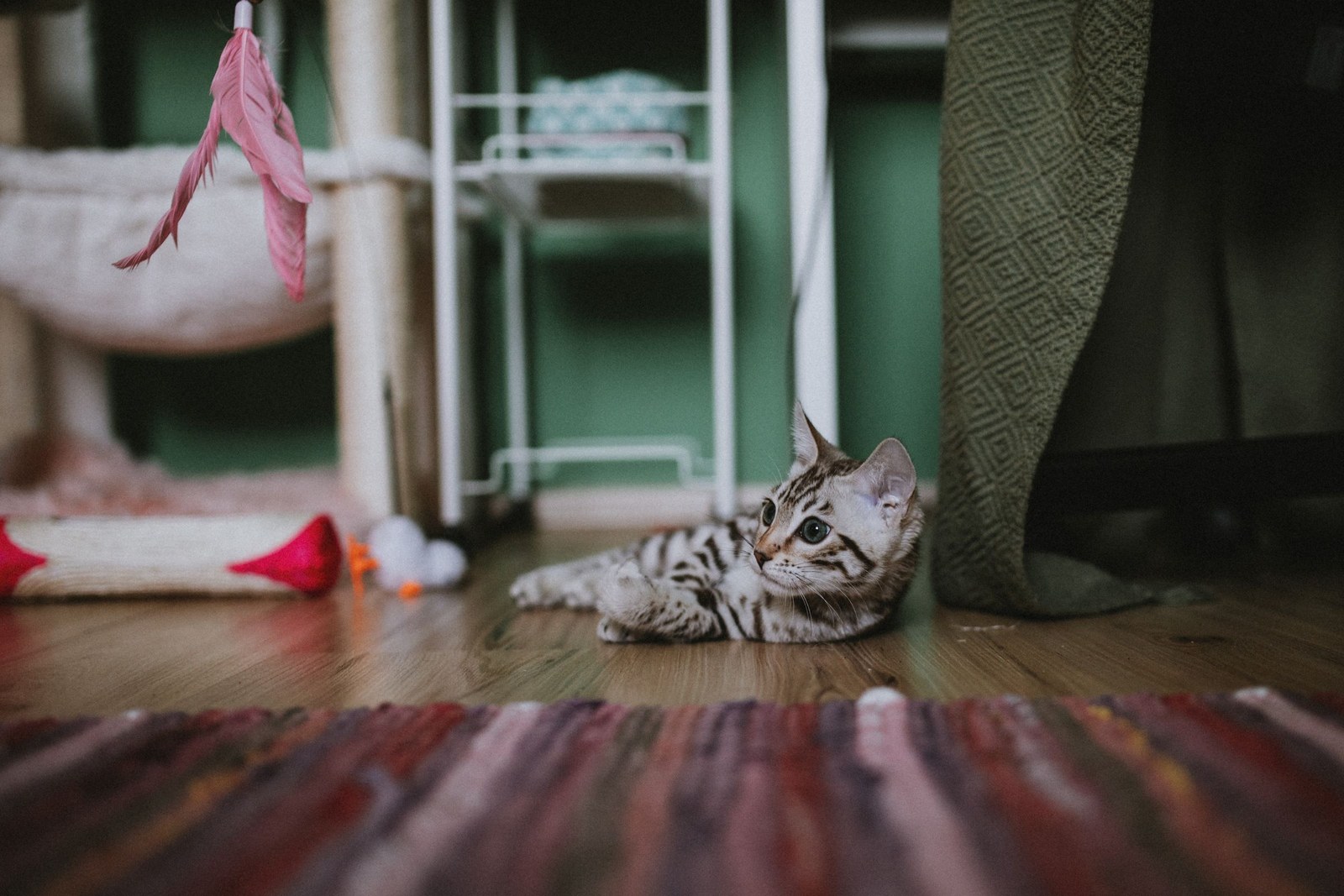
An occasional hairball or a single vomit after eating too fast is a normal-ish part of cat life, but repeated vomiting, vomit containing blood, or vomiting paired with lethargy, diarrhea, or not eating needs veterinary attention. Kittens and seniors should be checked sooner rather than later — and if it happens more than once in a day, call your vet.
The vomiting that's usually no big deal
Context separates the shrug from the alarm. A hairball — that tubular, hairy production, usually after a bout of grooming — every few weeks is common, especially in long-haired cats. A single episode of regurgitated, barely-digested food minutes after a meal often just means your cat inhaled breakfast, a classic in multi-cat homes where competition speeds everyone up. Grass-eating followed by one vomit is another familiar pattern. In each case, the key features are: it happened once, your cat is bright and hungry afterward, and life returns to normal immediately. That cat you simply monitor.
Patterns that should move you to the phone
Vomiting earns a vet call when it changes character or keeps company with other signs:
- More than once in a day, or episodes on consecutive days
- Blood (red, or dark and coffee-ground-like) or bile on an empty stomach repeatedly
- Vomiting plus lethargy, hiding, diarrhea, appetite loss, or increased thirst
- Retching without producing anything, especially repeatedly
- Vomiting after possibly eating string, ribbon, tinsel, medication, or a toxin — string-like objects are a genuine feline emergency because of what they can do to the intestines
- Any vomiting in a kitten, a senior, or a cat with an existing health condition
Frequency creep matters too: a cat who vomits weekly has quietly crossed from "hairballs, probably" into "worth investigating."
Hairballs: normal, but not an unlimited excuse
Hairballs get blamed for almost all feline vomiting, and they do account for a lot of it — swallowed hair has to go somewhere. But a cat producing hairballs very frequently, or retching often without producing one, may have skin irritation driving over-grooming, a gut that isn't moving hair through well, or something else entirely. Regular gentle brushing (a pleasure for most cats), a consistent diet, and noting how often hairballs actually happen gives your vet real data. "Every Tuesday" is more useful than "a lot."
What your vet will want to know
Before you call, note the timeline: when episodes happened, what came up (food, foam, hair, liquid), what your cat ate in the preceding hours, and whether litter box habits or energy changed. A short phone photo or video of the vomit is unglamorous but genuinely helpful. Your vet may advise monitoring, a visit for examination, or tests if the pattern suggests more than a passing upset. Never give human anti-nausea or stomach medication unless your vet specifically directs it — doses and safety differ wildly for cats.
Keeping the vet's guidance in one place with KinsLe Messenger
Vomiting episodes generate exactly the kind of scattered advice that gets lost — a phone call here, a portal message there, a partner who heard a different version. KinsLe Messenger is the communications hub for each pet, so the guidance your vet gives about your cat — what to watch for, when to come back, what was ruled out — can stay in one place, in your cat's own thread, where everyone caring for them can find it. KinsLe Messenger keeps every update about this cat's vomiting — times, photos, and the clinic's instructions — together in one per-pet thread, so a partner checking at midnight sees exactly what the vet advised.