
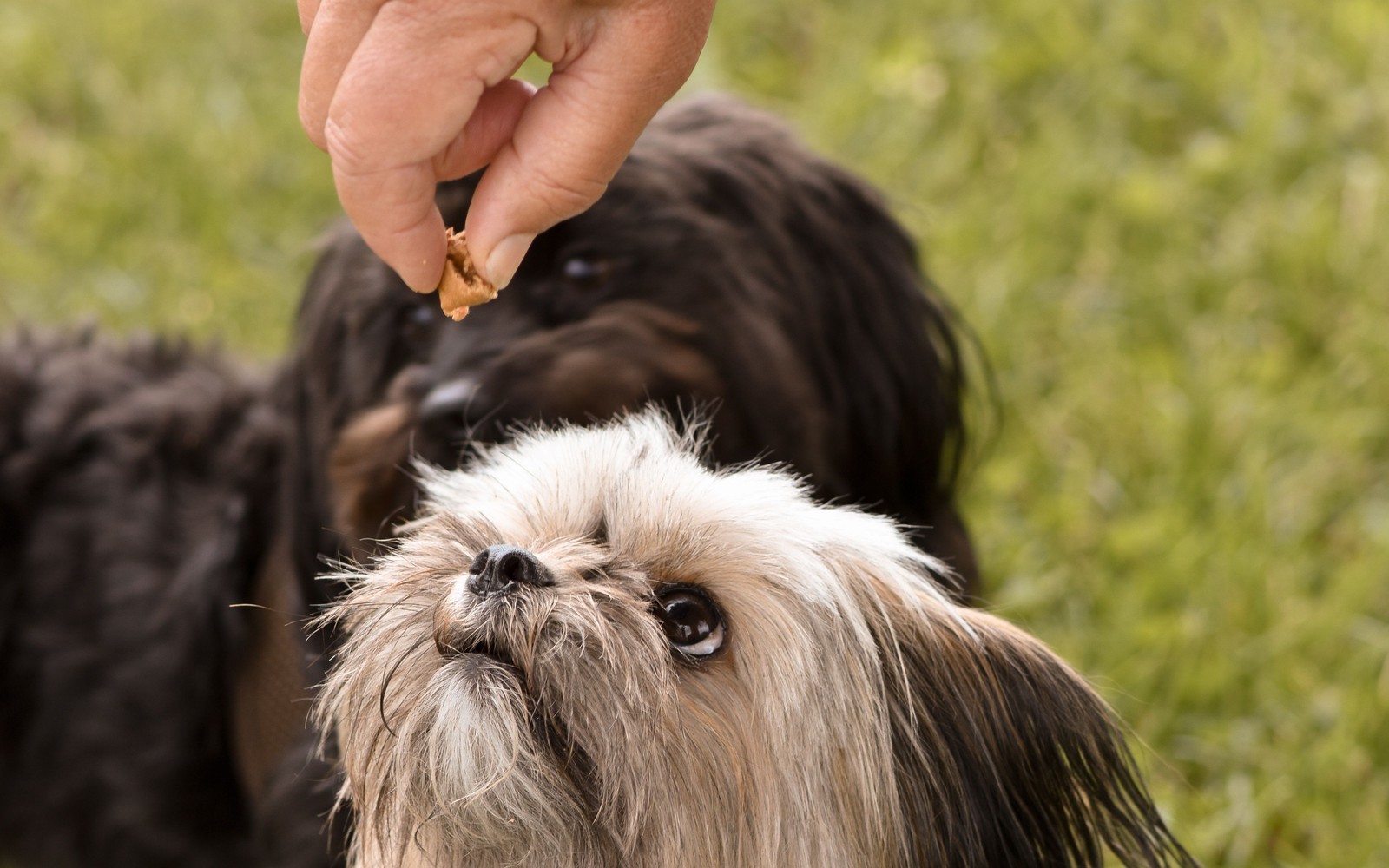
You can start teaching basic commands the day your puppy comes home — in fact, the earlier the better, as long as sessions stay short, fun, and easy to win. Puppies are learning from you constantly from about eight weeks old, so name recognition, sit, and coming when called are perfect first lessons. Think play with rules, not school: a few minutes at a time, several times a day, always ending on a success.
Start With the Name Game and Sit
Your puppy's name should mean "great things happen when you look at me." Say their name once, and the moment they glance toward you, mark it with a cheerful "yes!" and deliver a tiny, pea-sized treat. Repeat a handful of times in different rooms. For sit, hold a treat just above and slightly behind their nose so their bottom naturally drops as they look up — then mark, treat, and praise. Avoid pushing their rear down; luring keeps it a game they chose to play.
Teach a Recall That Saves Lives
Coming when called is the most valuable command your puppy will ever learn. Start indoors with no distractions: crouch down, open your arms, call their name plus "come," and reward like they won the lottery when they arrive. Never call your puppy to you for something unpleasant, and never chase them if they dodge — instead, run the other way and make yourself the fun option. Build distance and distractions gradually over weeks, and use a long line outdoors until recall is reliable.
Keep Sessions Puppy-Sized
Young puppies have attention spans measured in minutes, so two to five minutes is plenty. Watch for the glazed look, wandering off, or silly, frantic energy — those are signs to wrap up. Weave training into daily life instead: ask for a sit before meals, before the door opens, and before a toy is thrown. Short lessons tucked into routines add up far faster than one long drill, and they teach your puppy that listening fits into real life.
Set Your Puppy Up to Succeed
Use high-value rewards — soft commercial treats, tiny pieces of cooked chicken, or whatever makes your individual puppy's eyes light up — and train when they are slightly hungry, not stuffed or overtired. Keep the whole household consistent: agree on the same words and hand signals so your puppy is not decoding three different languages. If progress stalls, lower the difficulty rather than repeating louder; puppies fail tasks that got too hard too fast, not tasks they understand.
When a Trainer Is Worth It
Group puppy classes add something home training cannot: controlled socialization with other puppies and people during the critical early window. A good trainer also spots handling or confidence issues early. KinsLe's Pet Services Directory helps you find local puppy trainers and other trusted professionals near you, so you can compare options and book guidance while good habits are still easy to build. For group classes specifically, browse the Pet Services Directory listings on KinsLe for puppy trainers near you whose early sessions pair controlled socialization with first cues like sit and recall.