
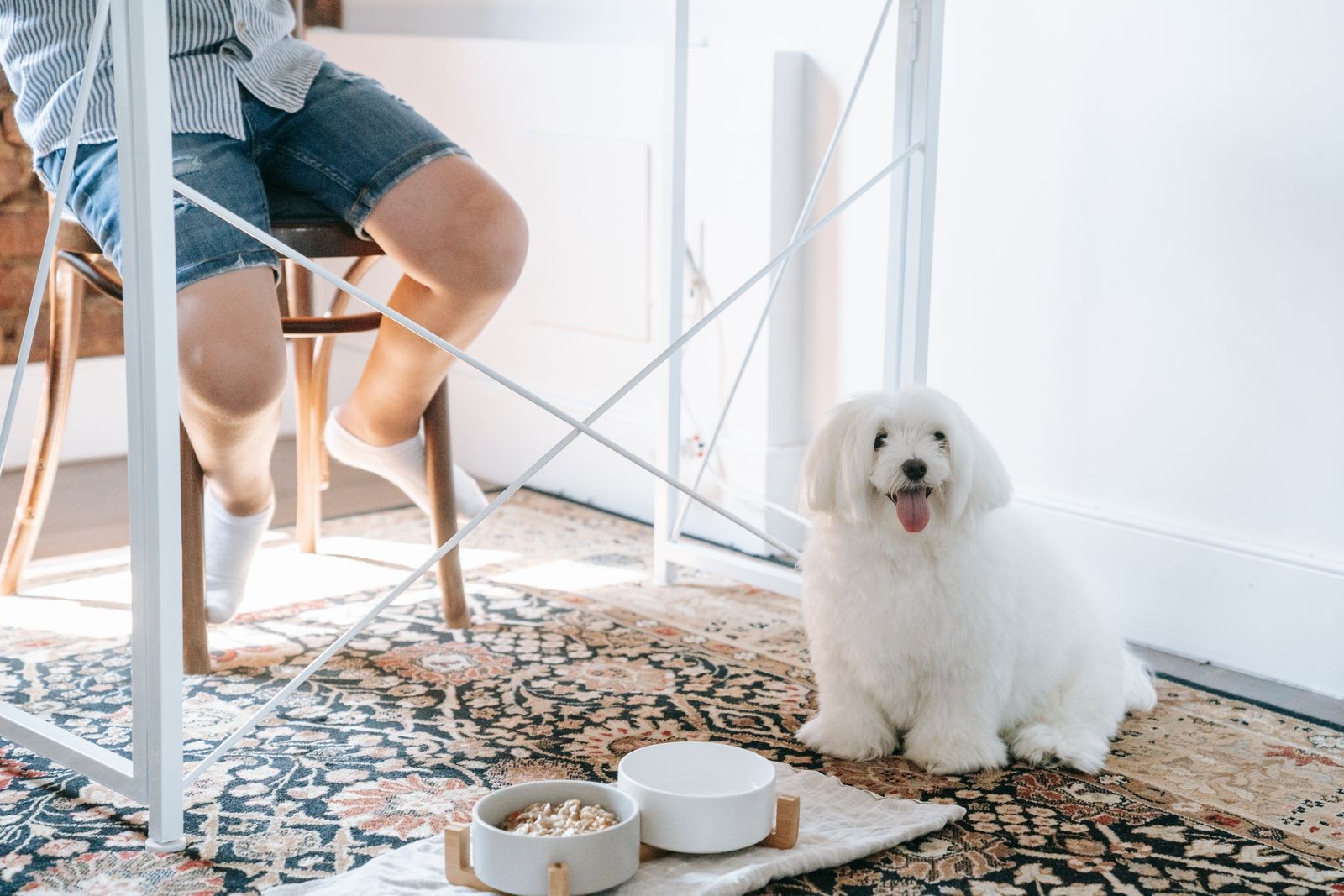
Most puppies switch to adult food when they have finished most of their growing — around 9 to 12 months for small breeds, 12 to 14 months for medium breeds, and 18 to 24 months for large and giant breeds. Your veterinarian is the best guide for your individual dog, because breed, size, spay or neuter timing, and body condition all affect when the switch makes sense.
Why Puppy Food and Adult Food Are Different
Puppy food is built for growth. It is more calorie-dense and formulated with nutrients that support developing bones, muscles, and brains. Adult maintenance food assumes growth has slowed, so feeding puppy food for too long after maturity can push extra weight gain. Switching too early has the opposite risk: a still-growing puppy, especially a large-breed puppy, may miss the balanced nutrition they need for healthy joints and bones.
Large-breed puppy formulas deserve special mention. They are designed to support controlled, steady growth rather than maximum speed. A Great Dane, Mastiff, or German Shepherd puppy who grows too fast is at higher risk for joint stress, so do not rush a large puppy onto adult food just because they look big — many look nearly adult months before their growth plates close.
Signs Your Puppy May Be Ready
No single birthday decides it. Look for a pattern together with your vet:
- Growth has visibly slowed over the last month or two
- Body condition is ideal — ribs easy to feel, waist visible — not lean and lanky or rounding out
- Your vet notes at a checkup that adult maintenance is appropriate
- For small breeds like Chihuahuas and Yorkshire Terriers, maturity often arrives earlier; for giant breeds, patience pays
If your puppy was spayed or neutered, ask at that visit too. Energy needs often dip after surgery, and your vet may suggest timing the food transition with a small portion adjustment rather than changing everything at once.
How to Switch Without an Upset Stomach
Never swap foods overnight if you can avoid it. Transition gradually over seven to ten days:
Days 1-2: 75 percent old food, 25 percent new food. Days 3-4: half and half. Days 5-6: 25 percent old, 75 percent new. From day 7: fully on adult food. Slow down if stools soften, gas increases, or appetite drops — hold at the previous ratio for two extra days. Keep treats stable during the switch so you know what caused any change, and ensure fresh water is always available.
Some puppies are sensitive to a new protein or a richer formula. Mild soft stool for a day during transition can be normal, but vomiting, blood in stool, refusal to eat for more than a day, or lethargy means you should call your veterinarian.
Keep Records That Make Vet Visits Easier
A food switch is a perfect moment to tidy your records. With KinsLe Pet Passport — the records packet for vaccines, medications, allergies, and documents — you can keep your puppy's growth notes, current food, transition dates, and any reactions together in one place to share with your vet or sitter. When your vet asks what you fed and when you changed it, you will have the answer, not a guess.
Note the exact product name, flavor, and start date, plus weight at the switch. If an allergy or intolerance is ever suspected later, that history is gold.
Write each stage of the switch into the Pet Passport records on KinsLe as a dated entry — ratio served, food used, and puppy weight at that stage — so your vet can read the whole transition back at the next checkup.