
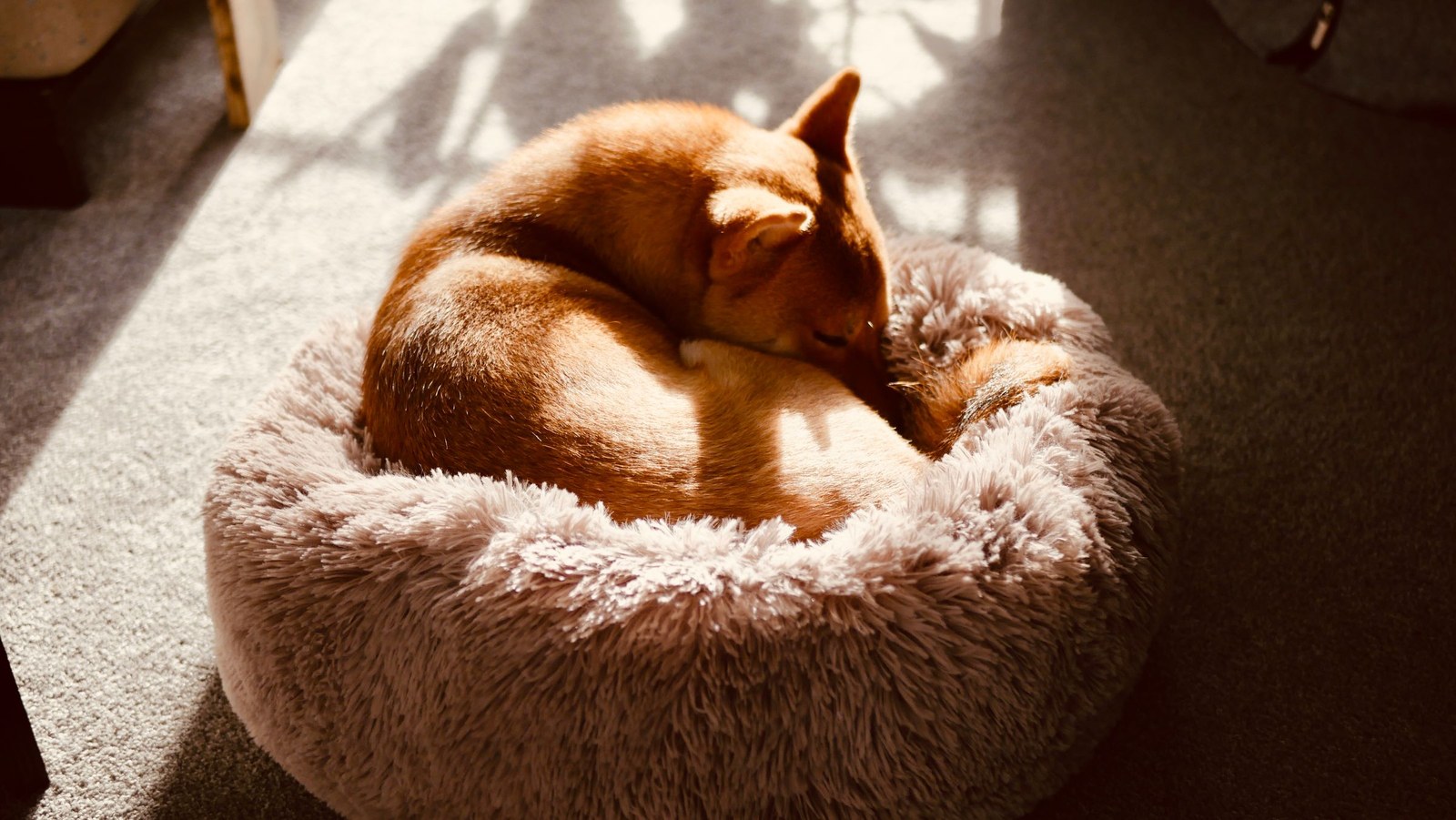
Most puppies can sleep through the night, or very nearly, by around four months old — but the honest answer depends on age, size, and bladder development, and some puppies need one quiet night trip out for considerably longer. Small breeds have small bladders, very young puppies physically cannot hold on for eight hours, and expecting it too early just sets everyone up for a miserable night.
A realistic timeline by age
As a rough guide, a puppy can hold on for about their age in months plus one, in hours — so a two-month-old may manage around three hours, a three-month-old around four. Overnight, puppies do better than that formula suggests because sleep slows everything down, which is why many eight-to-ten-week-old puppies manage one middle-of-the-night trip rather than three.
By sixteen weeks, most medium and large breed puppies are sleeping six to eight hours with perhaps an early-morning wake-up that gradually drifts later. Toy breeds and any puppy who arrived home very young may take a few extra weeks. If your puppy is still waking multiple times well past five months, mention it at your next vet visit — occasionally a urinary issue or tummy trouble is part of the picture.
Setting the night up to succeed
The evening routine does most of the work:
- Last toilet trip as late as you reasonably can — ideally the final thing before you go to bed yourself.
- Pick up the water bowl an hour or so before bed for young puppies, unless your vet advises otherwise, while making sure they drink plenty through the day.
- Feed the last meal a few hours before bedtime so digestion is not demanding a 3 a.m. exit.
- Make the sleep space small, warm, and close — many puppies settle far better in a crate or pen near your bed for the first weeks, then transition gradually.
- Tire the mind, not just the body: a short training game or sniffing activity early in the evening settles better than wild play right before bed.
Making night trips boring on purpose
When your puppy does wake you, keep the whole expedition as dull as possible. Low light, minimal talking, straight out, praise quietly when they go, straight back to bed. No play, no cuddles tour of the house, no treats party. Puppies who find the night shift entertaining will happily book it again; puppies who find it efficient and boring gradually stop requesting it unless they genuinely need it.
Also learn your puppy's signals. A puppy who wakes, toilet, and resettles is asking for a real need. A puppy who wakes later and later, or only stirs when they hear you move, is often on the verge of sleeping through — try waiting a minute or two before getting up, and you may find they settle themselves.
Sharing the night shift
Broken nights are far easier when they are shared fairly instead of falling on whoever hears the puppy first. KinsLe's Care Teams let partners assign the night-duty rota — and the rest of the puppy's feeding, walk, and toilet duties — with each trip logged and timestamped, so at 2 a.m. nobody is guessing whose turn it is or whether the puppy has already been out. Care Teams in KinsLe keeps tonight's plan written and shared: one partner is assigned the midnight toilet trip, the other the early-morning outing, and each trip is marked complete once the puppy is back in bed, so nobody has to guess whose turn remains.