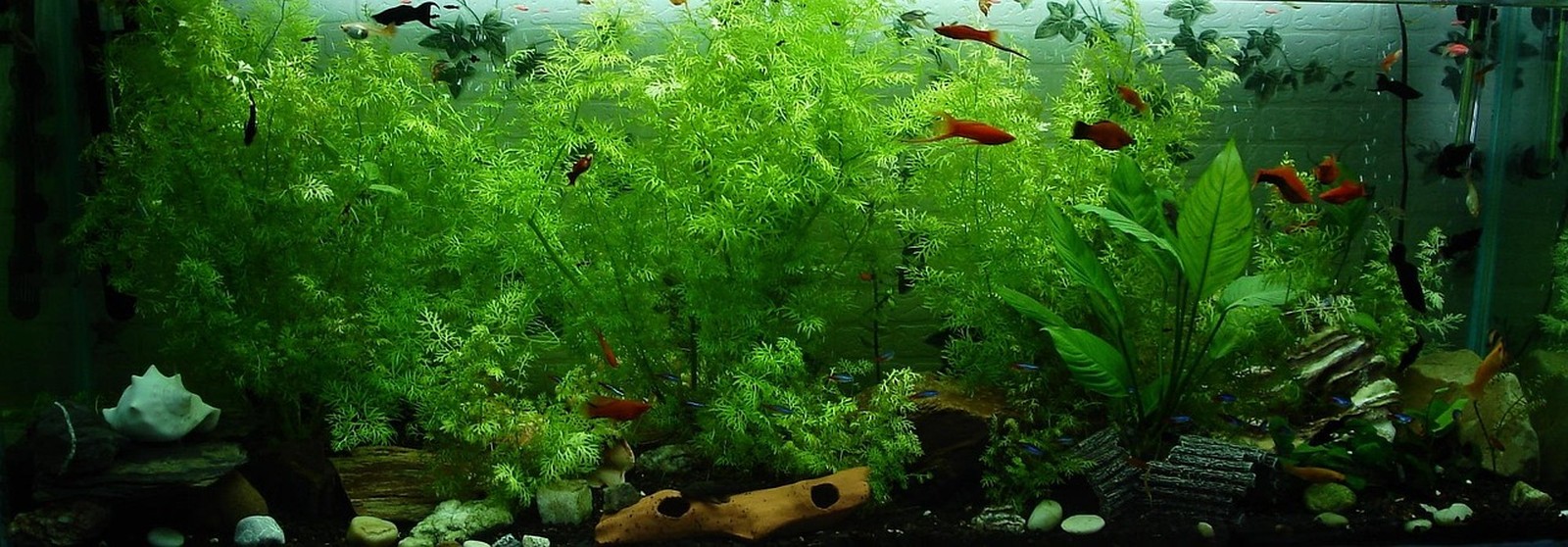
A fish tank is one of the heaviest objects most homes take on. Water alone weighs roughly eight pounds per gallon before glass, gravel, rocks, and the stand itself are added, so placement starts with structure, not decoration. Choose a level spot on a floor that can carry the load, ideally across several floor joists rather than along one, and use a stand built for aquariums that supports the tank's full footprint evenly. A dresser or bookshelf that bows even slightly can twist the glass over time, and a tank that is not level puts uneven stress on its seams every hour of every day.
Keep Sunlight and Heat Sources Away
Direct sunlight is the most common placement mistake. A tank in a window's path warms and cools with the day, grows algae on the glass facing the light, and can overheat fast in summer because fish have no way to leave water that turns too warm. Radiators, heaters, wood stoves, and sunny exterior walls cause the same temperature swings in miniature, and a tank near them makes the heater in the water work against the room instead of with it. An interior wall, out of direct sun and away from heating and cooling vents, gives the steadiest temperature, which is what fish actually need.
Avoid Vibration, Slamming, and Startle
Fish feel vibration through the water, so a tank beside a frequently slammed door, on top of a speaker, near a washing machine that shakes on its spin cycle, or in a busy hallway where the floor bounces lives under constant low-level stress. Stressed fish hide more, colour less, and fall ill more easily. Kitchens bring a different problem: cooking fumes, aerosol sprays, and cleaning chemicals can settle on the water surface, and a busy cook's elbow is a real risk to glass. Bedrooms suit some keepers, but filter hum and air pumps are worth hearing overnight before the tank is filled and stocked.
Power and Water Within Easy Reach
Every tank needs sockets for its filter, heater, and light, with cables arranged in a drip loop so water running down a cord cannot reach the outlet. Just as important is the water change route: you will carry buckets or run a hose weekly for the life of the tank, so a sink on the same floor, a short uncarpeted path, and clearance to lift the lid and reach every corner matter more than the view from the sofa. Leave a gap behind the tank for pipes and hands, and enough room in front to work without standing on furniture.
Live With the Spot Before You Fill
Set the empty tank and stand in place and live with it for a day or two. Check it with a spirit level, watch where the sun lands at different hours, and notice the passing traffic, because moving an empty tank is trivial and moving a filled one means draining it. A room you spend time in daily is a genuine benefit: you will spot a flickering light, a listing plant, or a fish off its food far sooner there than in a spare room. Once the spot is settled, recording the tank's location, equipment list, and weekly routine through KinsLe's Family Sharing means everyone who feeds, tops up, or cleans the tank works from the same shared details, wherever in the home the tank finally sits.