
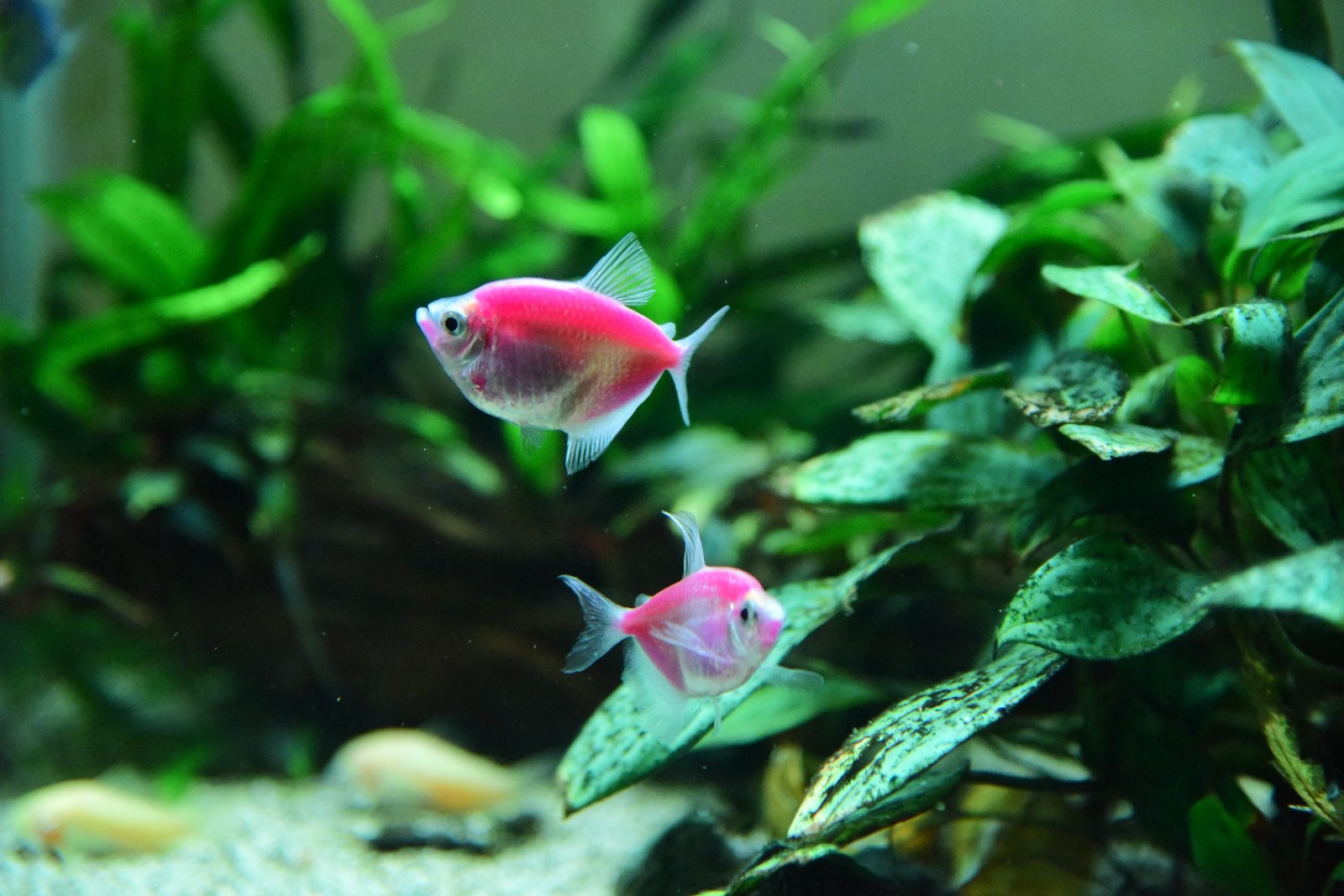
Fish gasping at the surface are usually telling you the water can't give them what they need: most often low dissolved oxygen, high ammonia or nitrite, or water that is too warm. Warm water holds less oxygen while speeding up your fish's metabolism — so they need more oxygen from water that carries less. Ammonia and nitrite damage gills directly, making breathing hard even when oxygen is present. You'll see fish hanging at the top, mouths breaking the surface, gills working rapidly — sometimes clustered near the filter outlet where water is most oxygenated. Treat gasping as urgent until proven otherwise: it's a distress signal, not a quirk.
Quick checks in the first five minutes
Start with temperature — is the heater stuck on, is it a hot day, did a recent water change run warm? Then look at water movement: a clogged filter, a dead air pump, or a still surface all cut oxygen exchange. Check for overcrowding stress, uneaten food, or a recent heavy feeding. Test ammonia and nitrite right away; any reading above zero points at the gills. Look at the gills themselves if you can: red, swollen, or pale gills support a water-quality or disease cause.
What to do right now
Increase surface agitation immediately — raise the filter outlet to ripple the surface, add or restart an air stone, or aim a powerhead upward. Surface movement is how oxygen enters the water. If ammonia or nitrite are present, do a partial water change of 25–40 percent with treated, temperature-matched water. If the tank is overheated, cool it gradually — float a sealed bag of ice or aim a fan at the surface, but avoid fast temperature drops that shock the fish. Cut feeding for a day to reduce oxygen demand and waste. If fish recover within hours, you likely found it; if not, something deeper is going on.
When gasping signals disease
Gasping that continues after water checks out can mean gill parasites, gill flukes, or bacterial gill disease. Watch for spots, excess mucus on the gills, one fish struggling while others are fine, or rubbing against decor. Parasitic causes often follow new arrivals that skipped quarantine. Don't dose the whole tank on a guess — some treatments further reduce oxygen, which can finish off already-struggling fish. This is the moment for an aquatic veterinarian's eyes on your fish and your readings.
Preventing the next episode
Keep the tank sensibly stocked, clean filters on schedule without destroying bacteria, and feed modestly. In summer, plan for heat: keep tanks away from sunny windows, and know your cooling options before a heatwave. Maintain aeration equipment — air stones clog, pump diaphragms wear out. And test routinely; the gasping episode almost always had an early warning in the numbers.
How KinsLe helps
Kinny is the built-in AI assistant on KinsLe, and you can ask it follow-up questions when fish start gasping — why warm water leaves them short of oxygen, what an ammonia reading calls for next, or whether extra surface movement is enough. Pair that with your care circle on the same platform, and a missed check doesn't have to become a crisis. For lingering questions about surface gasping, low oxygen, or what a test reading means, ask the Kinny assistant inside KinsLe and read replies drawn from the KinsLe Answers library.