
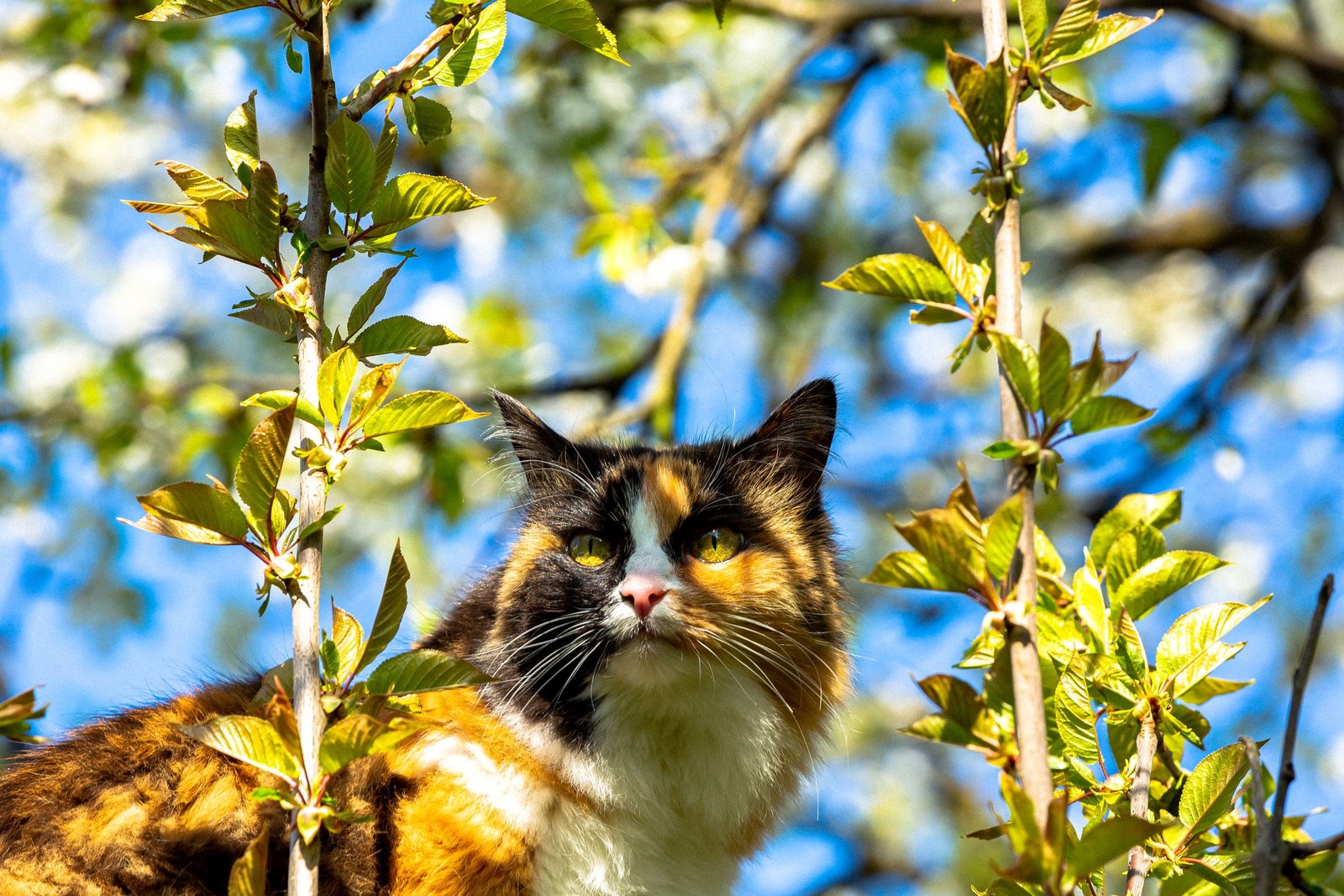
Your cat sheds more in spring because increasing daylight tells their body to drop the heavier winter coat and grow a lighter one in its place. It is a normal, hormone-driven cycle linked to light, not temperature alone — which is why even indoor cats, who live in heated homes, still have a noticeable spring shed.
The Science Behind the Spring Coat Change
In winter, many cats grow a denser undercoat for insulation. As days lengthen, that undercoat loosens and comes out over several weeks, often in impressive quantities. You will find it on bedding, in sunny sleeping spots, and worked into carpets. Short-haired cats shed too — the hairs are just smaller and easier to miss until they cover a dark jumper.
Indoor lighting and central heating can blur the seasons a little, so some house cats shed moderately all year with clear spring and autumn peaks. Breed matters as well: thick-coated breeds and long-haired mixes produce far more loose fur than a fine-coated Siamese, but the trigger is the same.
Helping the Loose Fur End Up in the Brush
You cannot stop seasonal shedding, but you can choose where the fur lands. Brush more often during the peak — daily for long-haired cats, every other day for short-haired cats for a few weeks — and the brush collects what would otherwise drift around the house or be swallowed during grooming.
Support the coat from the inside, too:
- Keep fresh water available; hydration supports healthy skin
- Feed a balanced, complete diet appropriate for your cat's life stage
- Vacuum soft furnishings and wash cat bedding weekly during the peak
- Use a damp hand or lint roller for quick passes over favourite sleeping spots
A little extra grooming also reduces hairballs at exactly the time of year they spike, because your cat is ingesting less loose fur when they wash themselves.
When Shedding Is a Warning Sign
Seasonal shedding should be even across the body, with healthy skin underneath and a cat who seems otherwise well. Book a vet appointment if you notice bald patches, red or scabby skin, excessive scratching or over-grooming one area, weight change, or shedding that is heavy all year with no pattern. Stress, allergies, parasites, and several medical conditions can all show up first as coat changes, and those need a veterinarian's assessment — not more brushing or a supplement you found online.
Never shave a cat down just to reduce shedding unless a vet or professional groomer advises it for a specific reason. The coat also protects skin and helps with temperature regulation.
Timing Extra Brushing When It Matters Most
The spring peak creeps up on owners — by the time fur is everywhere, you are already in week two. KinsLe's Kimmy, the built-in AI assistant, can field the questions that timing raises — whether a short coat needs every-other-day brushing yet, or whether daily sessions are warranted once the undercoat lets go. Sorting those answers out early turns the peak into a planned few weeks of slightly more grooming, not a reactive scramble.
A lighter house, a more comfortable cat, and fewer hairballs are a fair trade for an extra five minutes with a brush. If patchy shedding or sudden scratching leaves you unsure what counts as normal in spring, put that follow-up question to Kimmy inside KinsLe and read responses sourced from the KinsLe Answers library.