
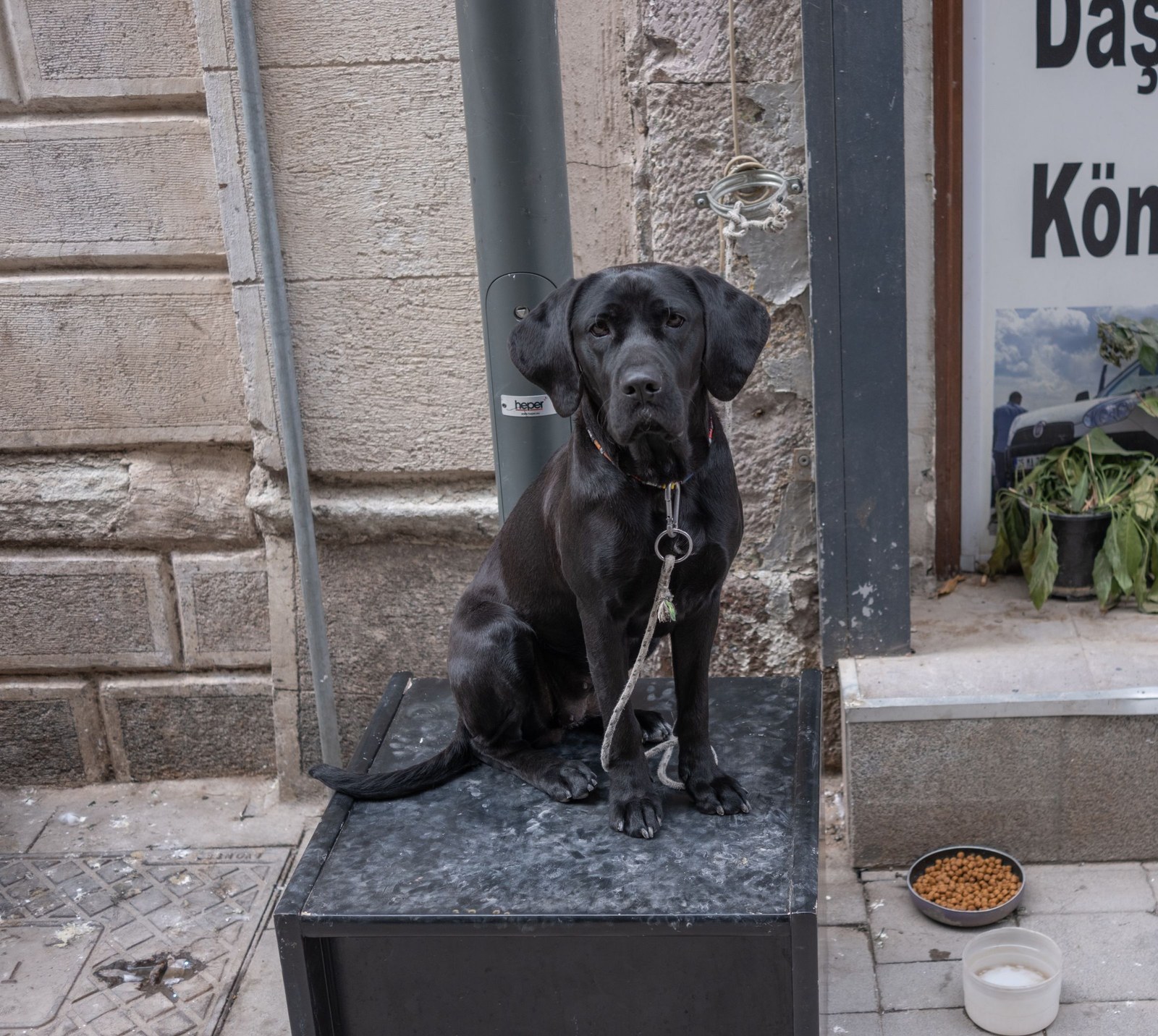
A teenage dog who suddenly fears things they used to be fine with — the postman, a bin, a friendly neighbour, a doorway they have walked through a hundred times — is very likely in a second fear period, a normal developmental stage of adolescence. It is unsettling to watch, but with patient, low-pressure handling most dogs come through it and regain their confidence.
What a fear period actually is
Puppies have an early fear-impact period in their first weeks, and many dogs experience another sensitive stretch during adolescence, often somewhere between six and fourteen months, sometimes with more than one brief wave. During these weeks, the teenage brain is pruning and rewiring, hormones are shifting, and novel or even familiar stimuli can be processed as threats. A dog who trotted past a statue happily at five months may bark, back away, or refuse to pass it at eight months.
The important part for owners: fear is not naughtiness, stubbornness, or a dog "trying it on." Your dog is genuinely experiencing the world differently for a while. How the people around them respond — patiently or with pressure — shapes how strongly the fear sticks after the period passes.
How to help without making it worse
The golden rule is choice. Never drag your dog toward the scary thing to "show them it's fine" — flooding a frightened dog usually deepens the fear and can teach them that you ignore their signals.
- Let your dog observe from a distance where they notice the trigger but can still eat, play, and respond to you. That distance is their working zone.
- Reward brave curiosity — a glance, a step closer, a sniff — with treats and praise, then happily move on. Keep encounters brief and end on a win.
- Pair appearances with good things: the neighbour who scared them tosses treats without reaching for them; the vacuum sits switched off and ignored, surrounded by scattered cheese.
- Keep socialisation going, but quality over quantity: calm, known dogs, quiet streets, and favourite places, rather than big exciting challenges.
- Protect your dog from well-meaning strangers. It is fine to say "we're training, please ignore us" and step away.
Skip punishment entirely around fear. Scolding a barking, frightened teenager suppresses the warning signs without touching the feeling underneath.
Safety and the signs it is more than a phase
Fear periods are usually measured in weeks and the fear often attaches to specific things. See your veterinarian if fear arrives alongside pain signs, appetite or sleep changes, or a general behaviour change — pain and illness can lower a dog's coping threshold dramatically. Ask for a behaviour referral if fear is generalising, escalating, or leading to snapping or lunging; early professional help during adolescence pays off for the dog's whole life.
At home, keep life predictable while your dog is sensitive: same walk routes they like, same routines, plenty of sleep. Teenagers need far more rest than their energy suggests, and a tired, overstimulated teenage dog is a more fearful one.
Gentle pacing, with a little help
Short, sweet, dog-paced socialisation is easy to intend and easy to overrun on a busy day. Kinny, KinsLe's built-in AI assistant, can take questions like why a trash bin suddenly alarms your dog, whether to pause or cross the street, and what to try when a visitor arrives. Kinny can answer follow-up questions in KinsLe about choosing a workable distance, rewarding a brave glance, or ending an encounter on a win, with replies drawn from the KinsLe Answers library.