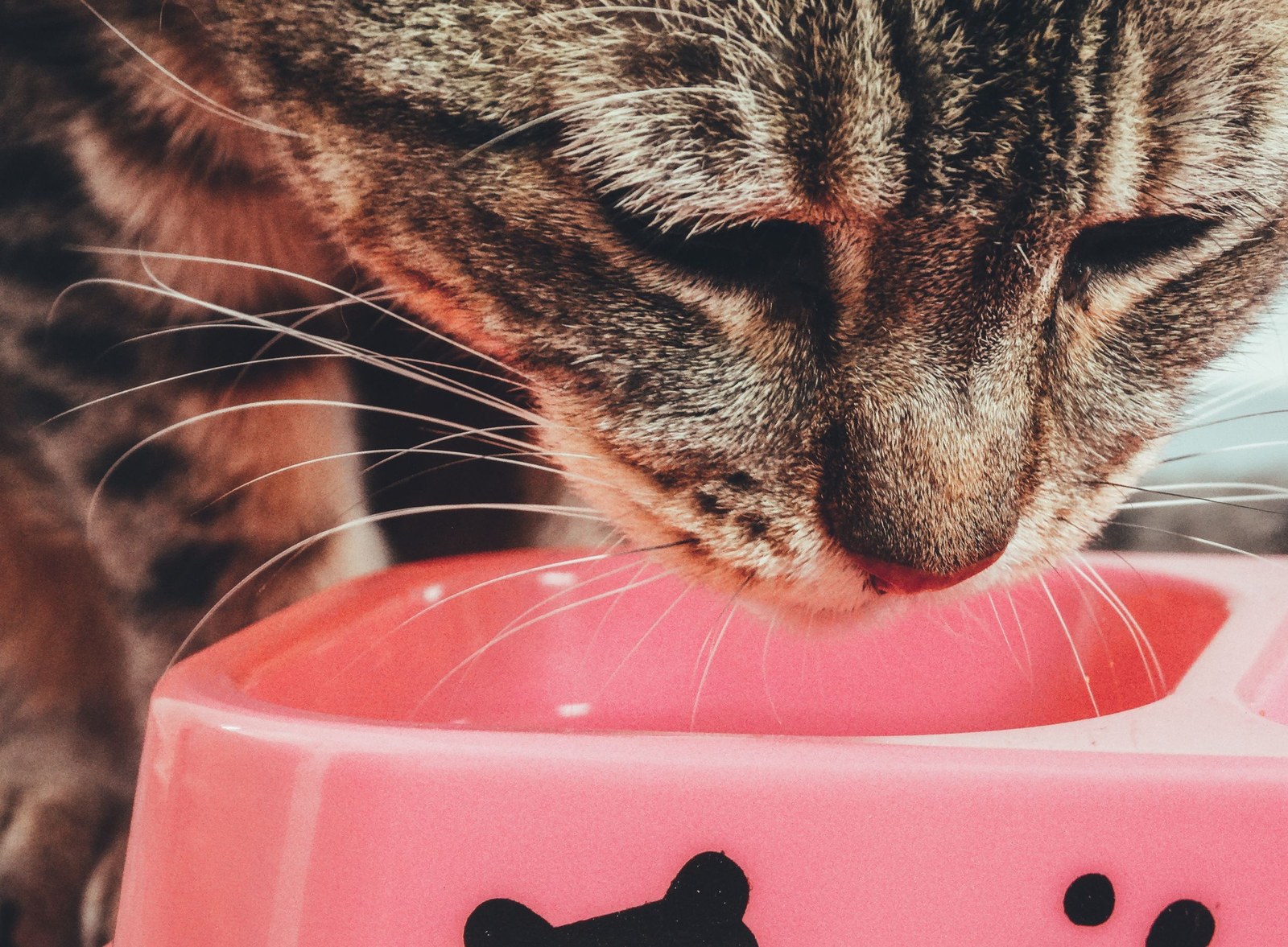
A cat who is eating more than usual but still losing weight should always prompt a veterinary check — do not simply switch foods and wait. That combination means the body is not using food the way it should: calories are going in, yet weight is coming off. Whether the cause lies in digestion, metabolism, or something else entirely is a question for an examination, not guesswork, and earlier appointments give your veterinarian more to work with than later ones.
Confirm the trend with real numbers
First, verify both halves of the pattern. Weigh your cat — the weigh-yourself-holding-her method on a bathroom scale works — and repeat weekly at the same time of day, writing each result down. Check that "eating more" is truly more food consumed, not more food requested: some cats beg more during darker winter evenings or when a household routine changes, while actually eating the same. In multi-cat homes, confirm she is finishing her own meals rather than being edged out by a housemate, and note if she has started stealing other pets' food or scavenging counters and bins, which is itself a useful detail for your vet.
Then look for companions to the pattern: drinking more, bigger litter box output, vomiting, loose stools, a greasy or unkempt coat, restlessness, or sleeping less. Write down when you first noticed each one.
What a veterinary visit adds
Your veterinarian will weigh her accurately, compare it with previous records — one reason consistent scales at the clinic are valuable — examine her, and talk through diet, appetite, thirst, and litter habits before deciding what to check. Bring the brand and amount of food you feed, measured honestly; "about a mugful" is common but a week of actually measuring portions makes the conversation far more precise. Bring a list of medications and supplements too.
Resist two lures while you wait: do not keep escalating portions indefinitely to chase the weight, which can mask the trend without addressing the cause, and do not rotate through new foods week by week, which upsets digestion and blurs the record. Feed her normal diet consistently until she is seen, unless the clinic advises otherwise.
When to move faster
Book promptly in every case, and seek urgent advice if weight loss comes with not eating at all, repeated vomiting, marked lethargy, difficulty breathing, collapse, or inability to urinate. Senior cats deserve particular speed: weight loss in an older cat is too often dismissed as "just aging," when it is exactly the change worth investigating. Kittens who fail to gain are also a same-week conversation, not a wait-and-see.
Turning observations into a trend line
Memory flatters and forgets; logs do not. When the numbers leave you unsure what matters most, Kimmy inside KinsLe can take questions like which companion signs change the urgency, what a week of measured portions should capture, or how to lay out her timeline clearly for the veterinarian. A simple chart of weekly weights and daily portions often shortens the path to answers. Kimmy can answer your follow-up questions about her rising appetite and falling weight in KinsLe, with replies drawn from the KinsLe Answers library.