
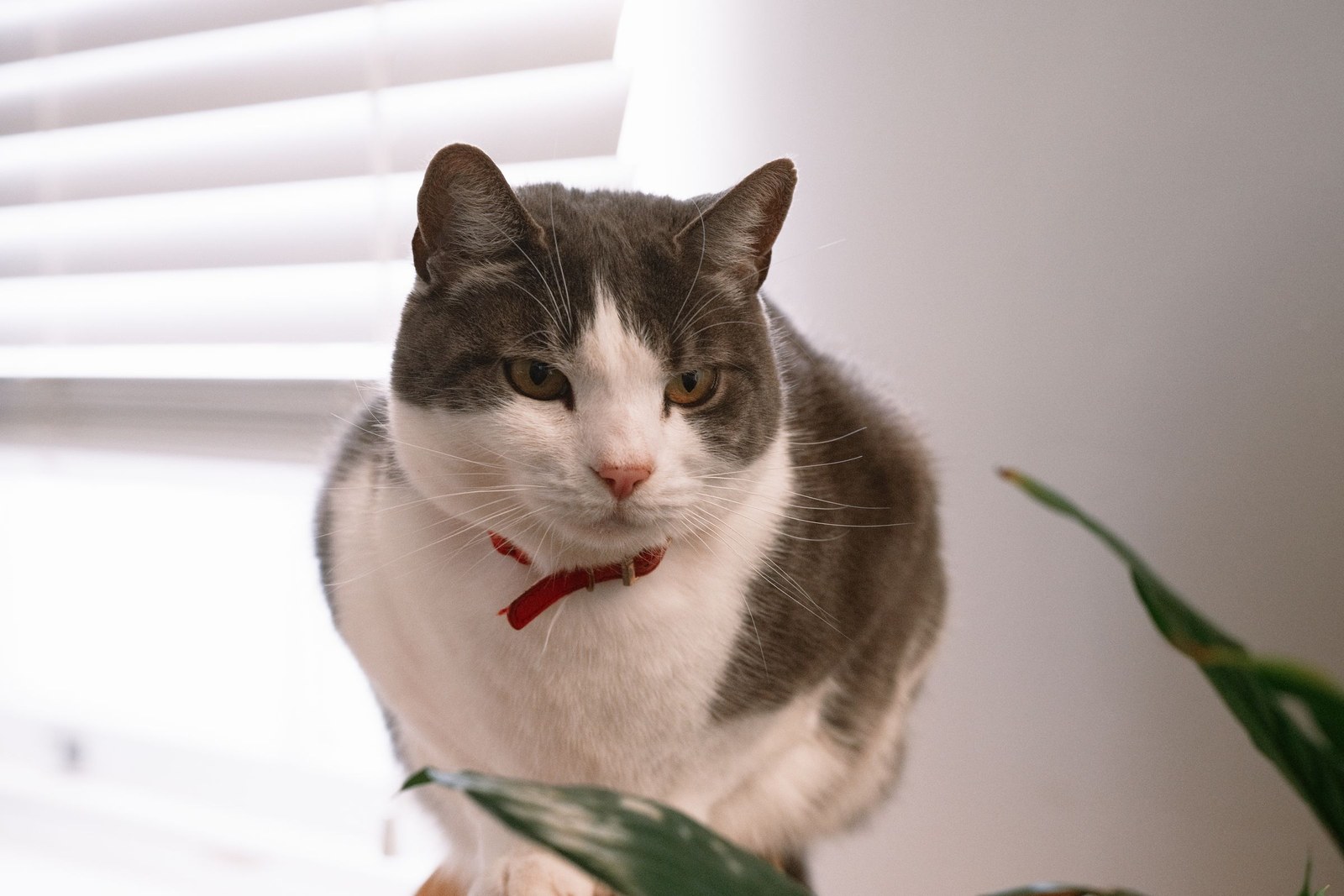
If your cat is gaining weight on the same measured meals, the extra calories are usually sneaking in from the sides — treats, table scraps, another household member topping up the bowl — or your cat's needs have dropped after spaying or neutering, or as they've aged and slowed down. A vet visit can rule out underlying causes and help you set a sensible target weight.
The calorie leak audit
Before blaming metabolism, audit the inputs honestly, because "the same amount" usually means the same amount of main food only. A typical leak list looks like this:
- Treats given by multiple people, each assuming they're the only treat-giver
- A partner, child, or flatmate "just topping up" the bowl between meals
- Dental chews, lickable snacks, and training rewards that never get counted
- Table scraps — the corner of a sandwich, the cat tax on every chicken
- A neighbor feeding your outdoor cat, or your cat eating from another pet's bowl
Indoor cats can also be quietly less active than they were a year ago — fewer stairs climbed in a smaller home, longer naps, less play — so the same food now exceeds smaller needs. Keep a three-day everything diary before changing anything; most owners find the culprit by day two.
Life stages that lower the requirement
Spaying and neutering reduce a cat's energy needs while often increasing appetite — a combination designed by nature to add weight in the months after surgery if portions stay at kitten-era levels. Senior cats slow down too, though note that healthy seniors more often lose weight, so gain in an older cat is worth mentioning to your vet rather than celebrating. Breed and build matter at the margins, but life stage plus activity explains most "mystery" gain. The fix is rarely dramatic: a modest portion adjustment, measured with a scale or scoop rather than eyeballed, plus more play, usually bends the curve within a couple of months.
Rule out the medical side
Most feline weight gain is arithmetic, not illness — but not all of it. Hormonal conditions and some medications can drive gain, and fluid buildup can masquerade as fat. A vet check gives you a confirmed current weight, a hands-on body condition score, a sensible target, and a safe rate of loss if one is needed. That last part matters: cats must lose weight slowly and steadily under guidance, because crash-dieting a cat — or a cat stopping eating — risks serious liver trouble. Never simply halve the food and hope; get the plan first.
Rebuilding the routine so the gain reverses
Measure food precisely and make the measured amount the household law. Move treats into the daily allowance rather than on top of it, and choose play as the default affection currency — ten minutes with a wand toy burns energy and satisfies the hunting circuit that food often substitutes for. Puzzle feeders slow down fast eaters and stretch a smaller portion into a longer experience. Weigh monthly and adjust in small steps; you're steering a curve, not flipping a switch.
One shared feeding plan, powered by Care Teams
The single most common cause of the double dinner is a home where nobody can see who fed the cat — so everybody does, just in case. KinsLe's Care Teams fix exactly that: feeding becomes an assigned duty under one shared plan, with timestamped completions, so a fed cat is visibly fed and nobody tops up a bowl out of uncertainty. Walks may not apply to most cats, but feeding, play, and grooming duties all slot into the same system. Care Teams turns that written plan into assigned duties on KinsLe — your partner covers weekday breakfasts, your teenager covers evening feeds — with each completed feeding timestamped so the bowl is never topped up twice.