
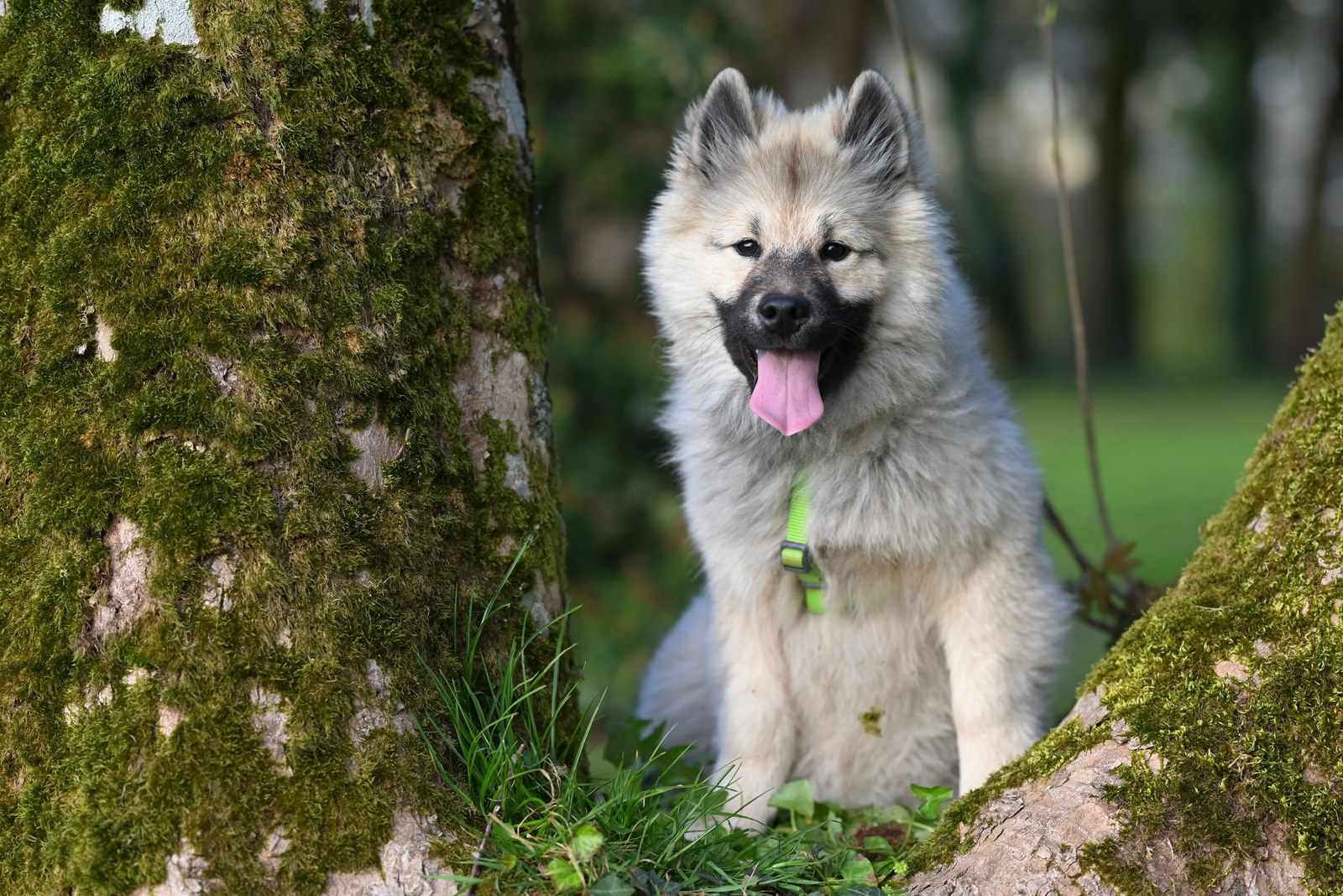
A sudden increase in shedding is often normal seasonal coat change, especially in spring and fall, but when it appears out of nowhere with bald patches, itching, flaking, or a dull, brittle coat, it deserves a closer look and often a vet visit.
Why Dogs Blow Their Coat
Most dogs shed a little every day, but double-coated breeds such as Labrador Retrievers, German Shepherds, Huskies, and Golden Retrievers periodically release a large amount of undercoat at once. This is sometimes called blowing coat. The old, dense winter layer makes room for a lighter summer coat, then the process reverses in fall. Single-coated breeds like Poodles or Yorkshire Terriers shed far less visibly, so a sudden change in those dogs stands out more.
Indoor life can blur the seasons. Central heating and warm apartments can trigger heavier shedding even in winter, and a move, boarding, or another stressful change can cause a temporary stress shed a few weeks later.
Other Causes Worth Ruling Out
Diet is a common factor. A switch to a lower-quality food, an inconsistent feeding routine, or a food sensitivity can leave skin dry and hair loose. Skin issues also drive shedding: fleas, mites, bacterial or yeast irritation, and allergies to pollen, dust, or ingredients may cause scratching that pulls hair out and leaves patchy areas. Hormonal conditions and other underlying health problems can change coat quality too, which is why pattern matters more than volume alone.
Take note of where the hair is coming from. Even thinning across the whole body during a season change is usually less concerning than symmetrical bald spots, circular patches, red skin, sores, a strong odor, or relentless scratching, licking, and chewing at the paws or belly.
What You Can Do at Home
Start with regular grooming rather than more baths. Brush outside two to four times a week during a heavy shed with a brush suited to your dog's coat — a slicker brush for longer coats, a de-shedding tool used gently for double coats, and a rubber curry brush for short coats. Remove loose hair before it lands on furniture, and never shave a double coat down unless your veterinarian advises it, because the coat helps regulate temperature and protect skin.
Support skin with a complete, balanced diet and fresh water. Avoid frequent bathing with harsh shampoo, which strips natural oils; a bath every few weeks with gentle dog shampoo, followed by thorough drying and brushing, is enough for most dogs.
When to See Your Vet and Stay Safe
Book a veterinary visit promptly if shedding comes with bald patches, broken skin, swelling, lethargy, weight change, increased thirst, or behavior changes. Bring notes on when it started, any new foods, treats, shampoos, medications, or household changes, and whether other pets are affected. Do not apply human skin products, essential oils, or leftover medications to your dog's coat, and do not start supplements on guesswork — some can be unsafe or mask a problem that needs proper attention.
Keeping a Clear Coat History With KinsLe
When shedding changes, memory gets fuzzy fast. KinsLe's Pet Passport keeps your dog's vaccines, medications, allergies, documents, diet history, and vet notes together in one records packet you can share with vets and sitters. That timeline helps your veterinarian spot whether a shed lines up with a food change, a season, or a medication, instead of starting from scratch at every visit. At the examination, the Pet Passport on your dog's KinsLe profile gives your veterinarian dated coat notes, food-change entries, and shampoo history to read against the shedding pattern in front of them.