
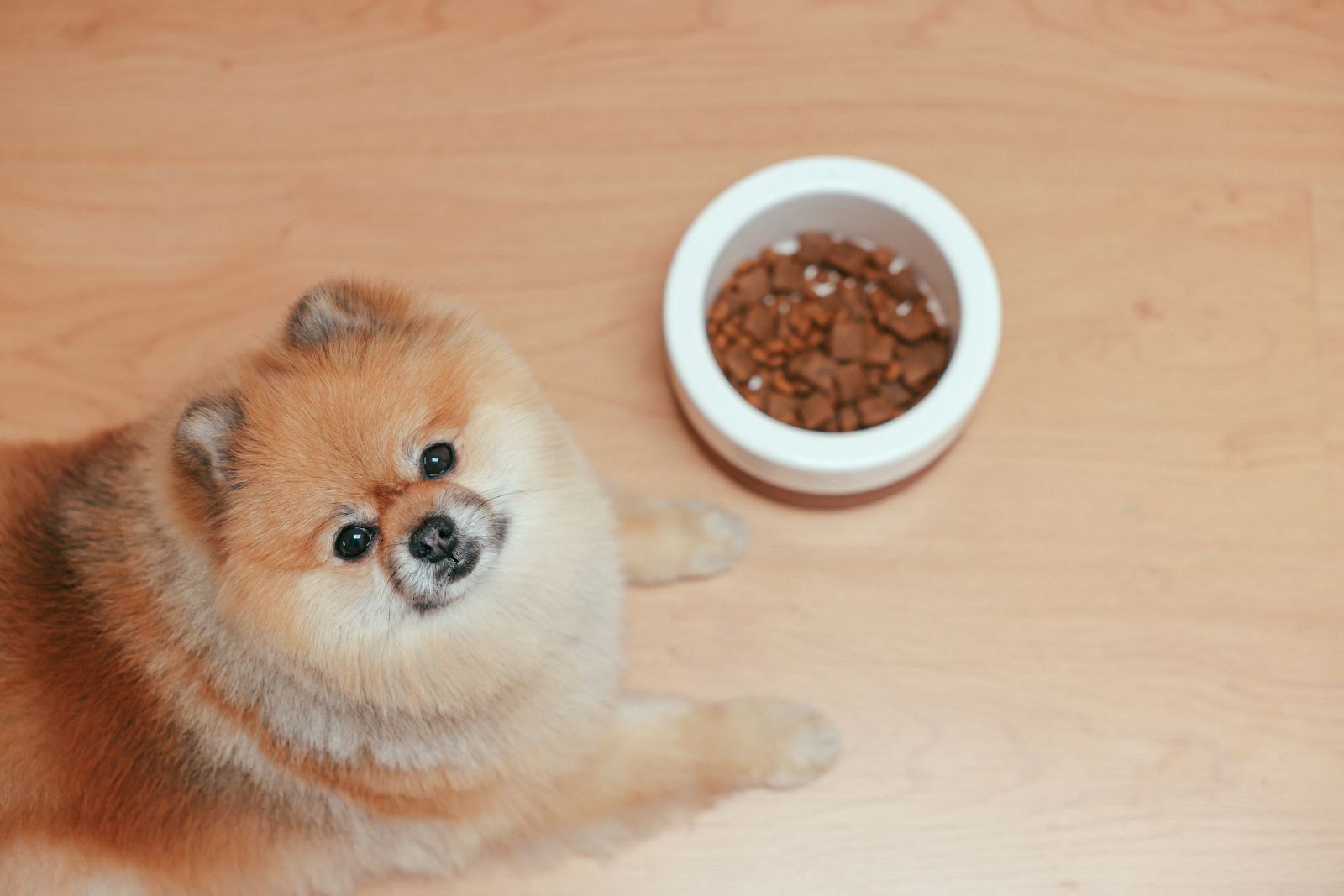
A dog who suddenly turns away from food they normally love is telling you something: a single skipped meal can be as simple as heat, stress, a routine change, or a belly full of treats, but a loss of appetite that lasts beyond about a day — or arrives with vomiting, diarrhea, or lethargy — needs a prompt call to your vet. Appetite is one of the most honest health signals a dog gives you.
The harmless explanations to check first
Work through the ordinary causes before you worry. Is the food fresh? Dry food goes stale and can turn rancid in a warm kitchen, and wet food left down quickly becomes unappealing — and unsafe. Is the bowl clean, and has anything changed: a new home, visitors, building work, fireworks, or a new pet? Hot weather suppresses many appetites during the day. A dog who scavenged on a walk or was handed treats by three family members may simply not be hungry. Also check the mouth from the outside: reluctance to chew, dropping kibble, or favouring one side can point to tooth discomfort worth a vet visit.
When it stops being 'just a phase'
Call your veterinarian promptly — same day where possible — if your dog:
- Refuses all food for more than about twenty-four hours, or much sooner for puppies, tiny breeds, seniors, and dogs with existing conditions.
- Also vomits, has diarrhea, drools excessively, retches without bringing anything up, or has a swollen, tight belly — a swollen belly with retching is an emergency.
- Seems lethargic, weak, painful, unusually thirsty, or is losing weight.
- May have eaten something they should not, from a corn cob to a sock to human medication.
Do not try to tempt a dog showing those signs through with rich foods; the information that they are not eating is itself valuable to your vet, along with when they last ate, drank, and toileted normally.
What not to do while you watch and wait
Resist the food-switching spiral. Offering a new, tastier food at every refused meal teaches a healthy but picky dog to hold out for upgrades, and constant changes upset stomachs. Instead, serve normal food at normal times, lift what is uneaten after fifteen to twenty minutes, keep water fresh, and note what happens. If you are unsure, a phone call to your vet costs nothing. Never give human painkillers or leftover medication.
Keep a simple appetite log
Note each meal's time, how much was eaten, water intake, treats given by anyone, stools, and energy. Two days of half-portions after a house move reads very differently from two days of total refusal. That log also turns a vague 'he hasn't been eating right' into precise information your vet can act on quickly.
Compare notes in one place
Appetite puzzles are often solved by the person who was not at mealtime — the partner who gave a huge chew at lunch, or the teenager whose dog 'forgot' breakfast. KinsLe Messenger is the per-pet communications hub for your dog, keeping family and carers' messages about that pet together in one thread, so everyone can compare notes on when your dog last ate well, what treats were given, and what the vet advised. KinsLe Messenger lets your partner tell whoever feeds tonight about that oversized midday chew, so a refused dinner is recorded with its likeliest context and not puzzled over in isolation.