From KinsLe — they're more than pets, they're kin.
Rabbits, guinea pigs, and hamsters get marketed as "easy starter pets." They're not easy — they're specific. Almost every common small-pet health problem traces back to one of five setup mistakes below. Get these essentials right and you're ahead of most of the trouble.
The Essentials That Apply to All Three
- Space is welfare. The tiny cage sold in the pet store aisle is, for almost every species, a bedroom — not a home. Small pets need room to move, explore, and exercise daily, whether that's a large enclosure, an attached playpen, or supervised floor time in a pet-proofed room.
- Chew or suffer. Rabbit, guinea pig, and hamster teeth grow continuously. Without constant access to things to chew — hay for rabbits and guinea pigs, safe wood and cardboard for all — teeth overgrow, and that's a vet bill and a painful pet.
- Hideouts are mandatory. Prey animals without a place to hide live in low-grade fear. Every enclosure needs at least one solid hide per animal.
- Quiet handling, low to the ground. Prey animals experience being grabbed from above as a predator attack. Scoop from below, support the whole body, and hold them seated on your lap or the floor — a fall of even a foot or two can seriously injure a small pet.
Rabbits
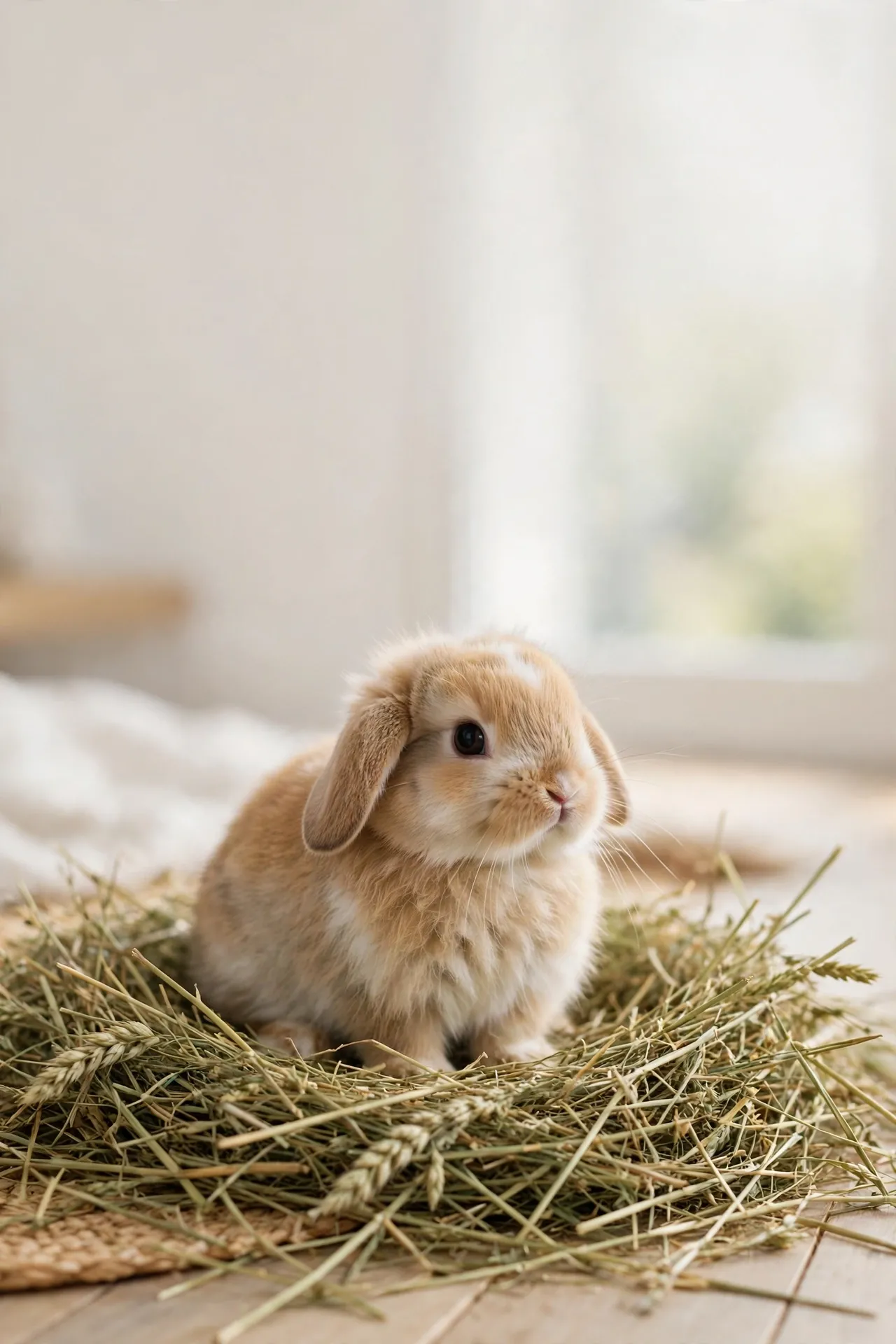
- Hay is the diet. Unlimited grass hay (timothy for adults) should be available 24/7 — it keeps both the gut and the teeth working. Add a measured portion of pellets, a daily handful-plus of leafy greens, and treat fruit as candy.
- Never let a rabbit stop eating. A rabbit who hasn't eaten in 12 hours is an emergency — gut stasis can turn dangerous fast. Know your rabbit's normal appetite so a change jumps out at you.
- Housing: Indoors is safest and most social. If housed in an exercise pen or free-roam room, rabbit-proof ruthlessly: baseboards and electrical cords are chew targets. Cover cords or block access.
- Litter training is realistic. Most rabbits will use a hay-filled litter box in a corner — put the hay where you want the droppings.
- Handling mistakes to avoid: never pick up by the ears or scruff alone; always support the hindquarters, because a kicking rabbit can injure its own spine.
- A note on pairs: rabbits are social, and a bonded companion is often the single biggest quality-of-life upgrade — but bonding must be done gradually, in neutral territory, with supervision.
Guinea Pigs
- Vitamin C, every day. Guinea pigs can't make their own vitamin C. Provide it through their fortified pellets and C-rich vegetables like bell pepper daily. Scurvy is entirely preventable and entirely miserable.
- They're herd animals. A single guinea pig is a lonely guinea pig. Same-sex pairs (or a neutered male with a female) are the standard recommendation.
- Floor space over levels. Guinea pigs are ground-dwellers, not climbers. Give them a wide, single-level enclosure with room to actually run laps — a healthy pig does joyful sprinting and "popcorning" when space allows.
- Hay again: unlimited grass hay, same as rabbits — gut, teeth, and happiness.
- Handling: support with two hands, chest and hindquarters; keep sessions short with nervous pigs and let treats do the persuading.
Hamsters
- One hamster, one home. Syrian hamsters are strictly solitary as adults — housing two together ends in fighting. Most dwarf species are also safest kept singly despite what pet store signage suggests.
- The wheel is not optional. A solid-surface wheel (never wire — feet get caught and injured) sized so the hamster runs with a flat back, not arched. A curled running posture means the wheel is too small.
- Deep bedding for burrowing. Hamsters are tunnelers. A deep layer of paper-based bedding in at least part of the enclosure lets them build the burrow systems they're wired for.
- Nocturnal means nocturnal. Waking a sleeping hamster repeatedly stresses them and earns bites. Interact in the evening, when they're naturally up.
- Escape-proof everything. If the head fits, the body follows. Check bar spacing and lid latches like you mean it.
The Common-Mistakes Roundup
- Feeding a sugary "yogurt drop" treat habit — obesity and dental trouble follow quickly
- Bathing rabbits or guinea pigs in water — stressful and risky; they self-groom, and spot-cleaning is enough for most situations
- Cedar and scented pine bedding — aromatic softwoods irritate small-pet respiratory systems; choose paper-based or aspen
- Assuming "no vet needed" — small pets benefit from an annual checkup with a vet experienced in exotics, and they hide illness well
- Buying for a child as the child's responsibility — an adult must always be the real backup caregiver
Keep feeding notes, weights, vet info, and care instructions for your small pets in their KinsLe profiles — so anyone covering for you feeds and handles them exactly right. Launching soon, and free for your first pet.
General guidance only, not veterinary advice. Small pets decline quickly — loss of appetite, lethargy, or changes in droppings warrant a prompt call to a vet experienced with exotic pets.
