
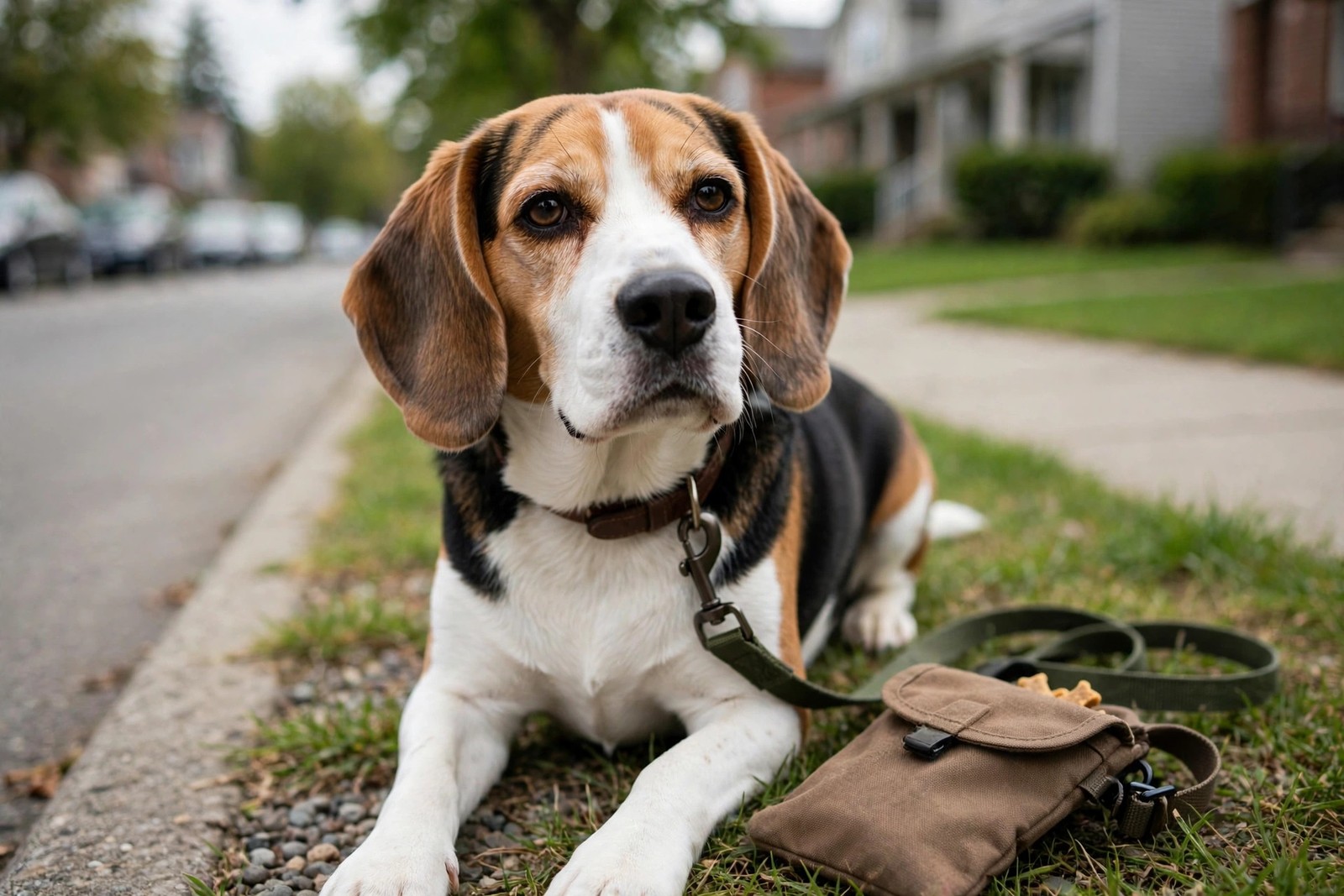
Yes. If breed temperament counts for anything with children, the Beagle starts with genuine advantages. For centuries these hounds were kept in packs and handled by many different people, and the result is a dog that is typically sociable, good-humoured and remarkably unbothered by the noise, movement and unpredictability of a household with children.
Size and Temperament That Suit Family Life
A Beagle stands roughly 33 to 40 centimetres at the shoulder and weighs about 9 to 11 kilograms — a deliberate sweet spot. The dog is robust enough that ordinary childish clumsiness is unlikely to injure it, yet not so large or boisterous that it routinely knocks toddlers over. Beagles are also famously tolerant of handling and slow to take offence, which makes them forgiving of the occasional awkward hug that would worry a more sensitive breed.
They are playful without being frantic, affectionate without being clingy, and their pack instinct means most actively enjoy joining children's games rather than retreating from them. Even so, supervise babies and toddlers as you would with any dog, and teach children not to climb on, ride or disturb a sleeping Beagle — tolerance is a resource, not an entitlement.
The Beagle-Specific Management List
The challenges with this breed around children are practical, not temperamental:
- Food: a Beagle will steal sandwiches, raid lunchboxes and empty a low bin. Children's snacks at dog height will vanish, and swallowed hazards go with them
- The nose: scent overrides recall. A Beagle following a trail may ignore a child's call completely, so gardens need secure fencing and walks need a lead or long line until recall is proven
- The voice: the breed's bay is loud and carrying. It can be managed with exercise and training, but consider nap schedules and neighbours honestly
- Ears and exercise: those long ears need weekly checks, and a bored Beagle becomes a noisy, destructive one — plan on roughly an hour or more of exercise daily for an adult
Making Children Part of the Pack
Beagles respond especially well when children join the routines the dog values: scattering a portion of dinner in the grass for the dog to scent out, hiding treats for a find-it game, or taking a turn on the lead under adult supervision. Those activities channel the nose constructively and build a bond that couch cuddles alone do not.
Set the food and fencing rules before the dog arrives, keep them identical for every family member, and this breed usually becomes exactly what its reputation promises — a merry, patient family dog. KinsLe's Care Teams supports that consistency by letting you assign your Beagle's walks, ear checks and measured meals to different family members and see each task marked done, so a food-obsessed hound never scores a second dinner from a kind-hearted child.