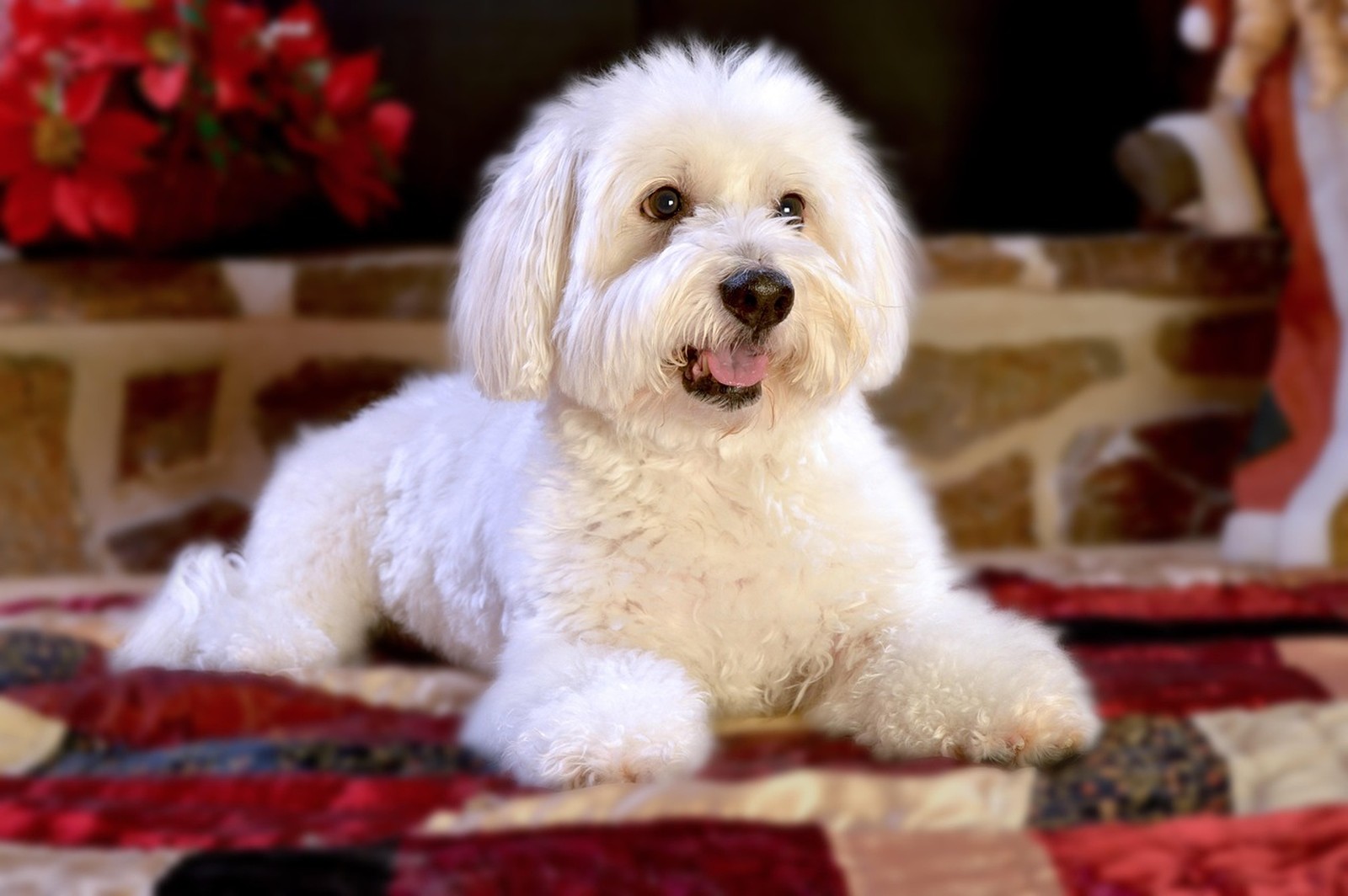
Yes, a Bichon Frise can live very happily in an apartment. The breed is small, adaptable, and bred for companionship, so the home itself is rarely the problem. Apartment success with a Bichon is decided by three specific issues: noise, being left alone, and the practicalities of toilet trips and grooming in a small space.
Barking at building noises
Bichons are alert little dogs, and in a flat the world announces itself constantly — footsteps in the corridor, the lift arriving, neighbours' doors, voices on the landing. An untaught Bichon may bark at every one. Work on this from the first week: reward your dog for noticing a sound and looking back at you quietly, practise a settle on a mat away from the front door, and use a recorded-sound desensitisation routine at low volume for doorbells and hallway noises. Avoid leaving a young Bichon where it can bark at the door for hours, both for your neighbours and because the habit strengthens with practice.
Separation anxiety is the bigger risk
Bichons were bred to be somebody's close companion, and many struggle with being left. In an apartment that distress is audible to the whole floor. Build independence gradually: practise short departures that stay below the point where your dog panics, leave and return without ceremony, scatter food or provide a safe chew for departures, and exercise the dog before you go. If your dog drools, paces, vocalises, or toilets only when left, treat that as anxiety rather than stubbornness and get help from your vet or a qualified behaviourist rather than simply increasing the length of absences.
Most working households manage with a dog walker, a neighbour swap, or staggered hours during the first months while alone-time skills are built.
Exercise, toilets, and small-space logistics
A Bichon typically needs around an hour of activity a day in total — a couple of walks plus indoor play and training games is enough for most adults. That makes the breed well suited to lift-and-stairs living, but plan the logistics: puppies and seniors need frequent trips, so a top-floor flat without a lift is a real commitment. Keep a consistent toilet spot routine, carry your dog through communal areas if the building requires it, and wipe paws at the door in wet weather to protect both your floors and shared hallways.
Coat care in a flat
The curly white coat mats quickly and shows dirt. Brush several times a week, keep a regular professional grooming schedule, and dry the coat thoroughly after rainy walks — a damp, matted Bichon is uncomfortable and smelly in a small home. Tear staining is common in the breed; gentle daily face wiping helps, and sudden changes are worth mentioning to your vet.
KinsLe Care Teams helps by letting you, a partner, or a walker share your Bichon's walk times, brushing sessions, and alone-time practice in one plan, so apartment routines stay consistent whoever is home.