
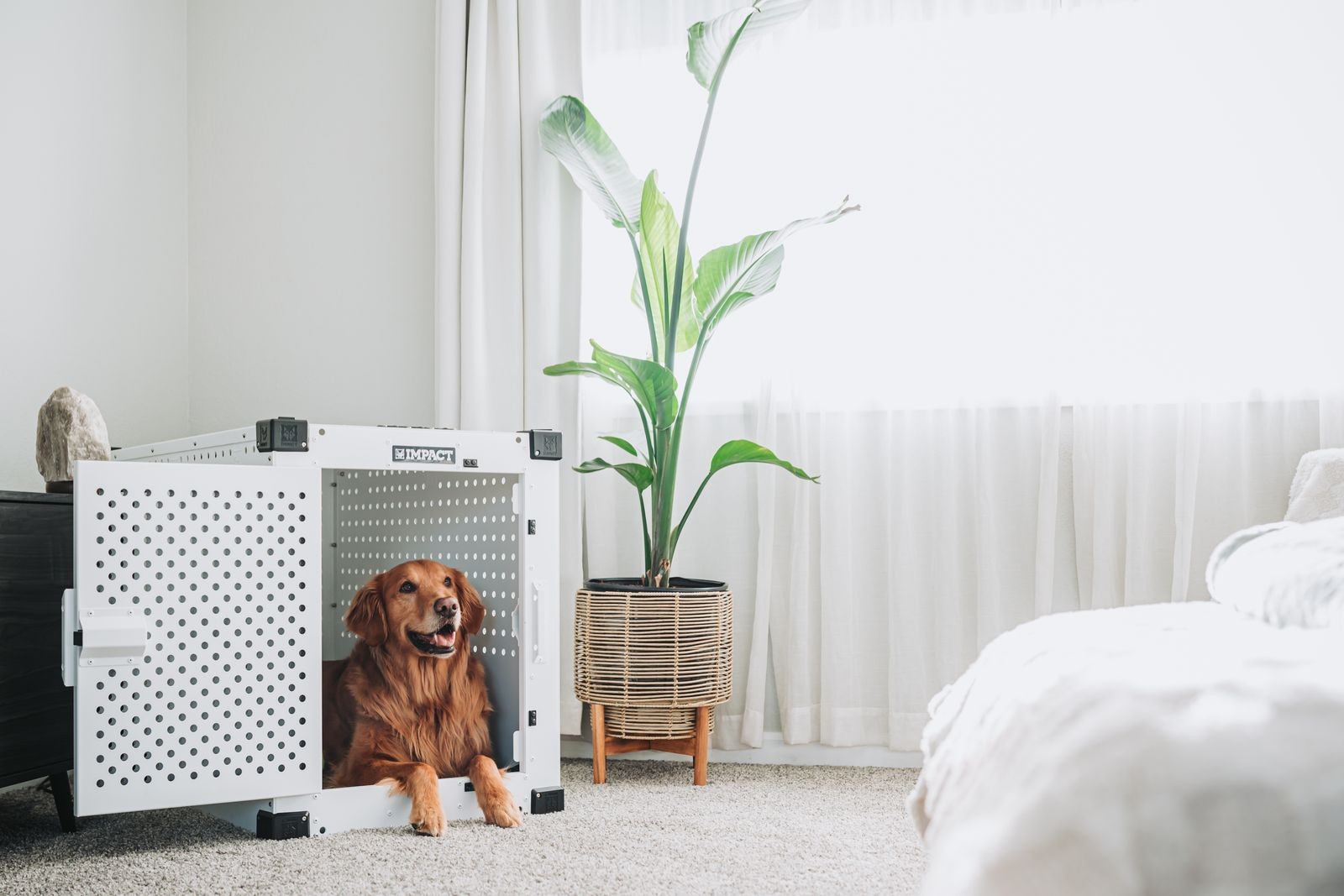
If your dog trembles, pants, hides, or tries to bolt when thunder rumbles or fireworks pop, you can genuinely help them cope. The core strategy is simple: give your dog a safe, cozy retreat away from windows, muffle sudden sounds with steady background noise, manage predictable events like fireworks nights ahead of time, and stay calm yourself — because your dog is constantly reading your reaction to decide how scared to be.
Why loud noises hit dogs so hard
Dogs hear a far wider range of frequencies than we do, and sounds that are merely annoying to us can be physically startling or even uncomfortable to them. Worse, thunder and fireworks are unpredictable: they arrive without warning, vary in intensity, and come with extras like pressure changes, static, flashing light, and the smell of rain or gunpowder. A dog cannot reason that the noise is harmless, so many learn to associate the whole event — darkening skies, wind, the first distant rumble — with fear, and the anxiety starts earlier each time. Noise fear can develop in any dog at any age, and it often gets worse over the years if it is never addressed.
Build a safe spot before you need it
Choose an interior room or corner away from windows — a bathroom, a closet nook, or a crate draped with a blanket — and make it inviting on ordinary days, not just during storms. Add familiar bedding, a worn item of your clothing, water, and a long-lasting chew or stuffed food toy. Let your dog choose to go there; never drag them out of hiding, because being allowed to retreat is itself calming. Close blinds and curtains, and put on steady background sound — a fan, calm music, or the television — to soften the contrast between quiet and sudden bangs. Some dogs also settle better with gentle pressure wraps designed for pets; if you try one, introduce it on a calm day so the wrap itself does not become a storm signal.
A calm plan for storms and fireworks nights
When you know noise is coming, act early. Walk and feed your dog before the event, keep them indoors with doors and windows secured, and double-check that their collar fits snugly — panicked dogs are escape artists, and fireworks nights fill shelters with lost pets. Stay nearby if you can, behave normally, and reward calm behavior with quiet praise and treats. Comforting a frightened dog does not reinforce the fear; you are rewarding coping, not panic. Avoid flooding your dog with recordings at full volume to "get them used to it" — overwhelming exposure usually deepens the fear instead. Gentle sound desensitization, played at very low volume on calm days and paired with treats, is a slower but kinder route, best started weeks before fireworks season.
When to talk to your veterinarian
If your dog injures themselves trying to escape, refuses food for a day or more around storms, drools and pants for hours, or seems to be getting worse each season, it is time for a veterinary conversation. Noise phobia at that level is a welfare issue, not a training failure, and your veterinarian can assess your dog's overall health and talk through the options appropriate for them. A certified behavior professional can also build a structured desensitization plan tailored to your dog's specific triggers.
Questions to Ask Before the Noise Starts
As fireworks season approaches, the useful questions are concrete, and they change as a storm or a holiday night gets closer. Ask Kimmy in KinsLe whether a blanket-draped crate or a bathroom nook will suit your dog better, how early to take the last walk, and how to pair very low recorded sounds with treats without overwhelming your dog. Follow with the next question each reply raises, so the safe spot, the background sound, and your own calm routine are settled while the evening is still quiet. Kimmy in KinsLe can answer follow-up questions about noise fear and safe retreats, with replies drawn from the KinsLe Answers library.