
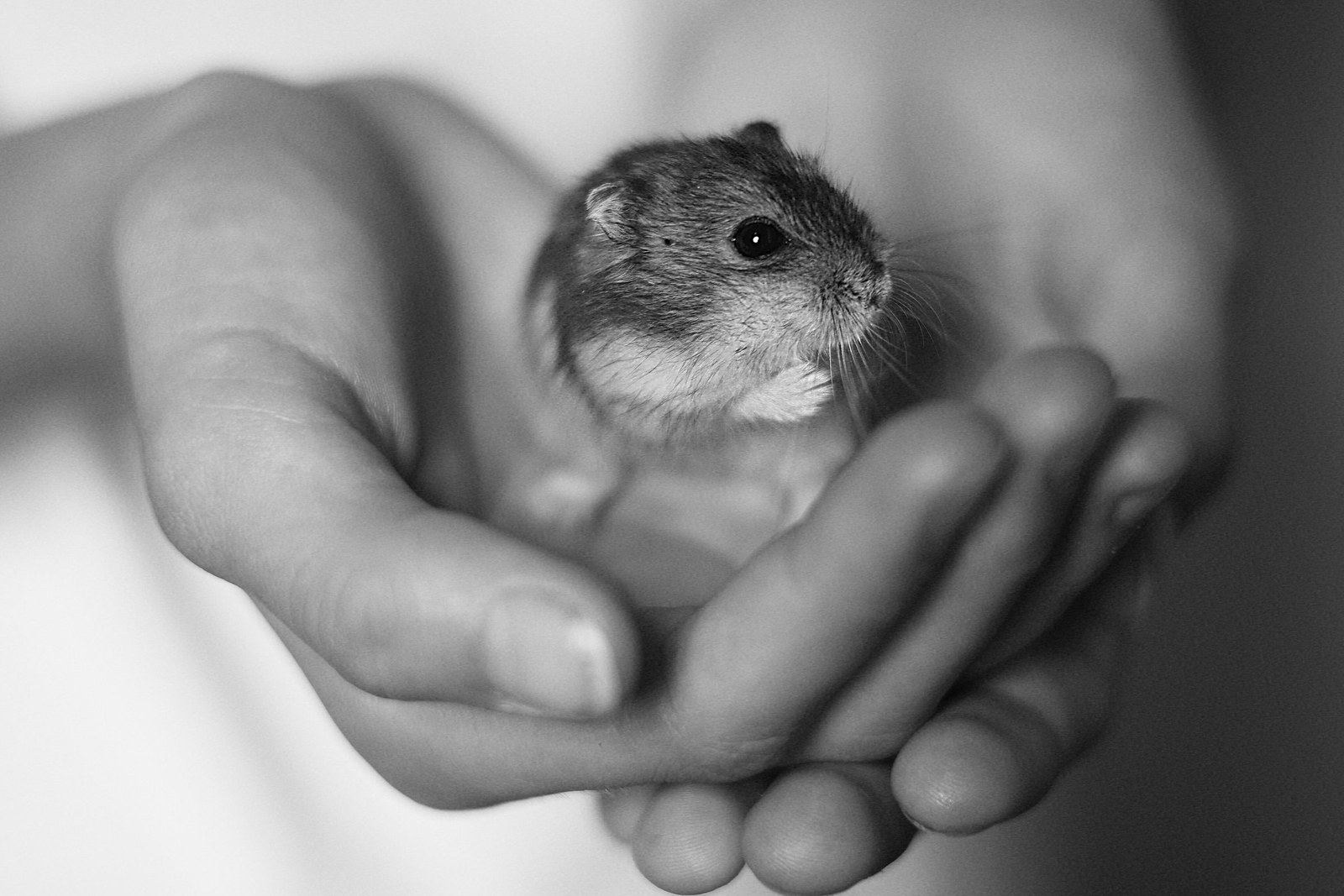
Yes — hamsters, mice, and other small mammals really do need a vet, ideally one familiar with exotic or small pets. Small mammals hide illness well as prey animals, so problems are often advanced by the time they are obvious, and having a vet lined up before an emergency, not during one, gives your pet the best possible chance.
Why Small Pets Hide Being Ill
In the wild, a hamster or mouse who looks weak becomes a target, so evolution taught them to keep eating, moving, and grooming in public for as long as they possibly can. At home, that means a pet can seem fine at breakfast and be in serious trouble by evening. Owners are not careless when they miss early signs — the signs are deliberately subtle. That is exactly why planned vet care matters more for small mammals, not less, despite their size and shorter lives.
A checkup when you first bring a pet home establishes a healthy baseline: weight, teeth, coat, breathing, and any early issues from the shop, breeder, or rescue. It also gives you a chance to confirm diet, housing, and handling with someone who sees these species every week, which can prevent common problems like obesity in hamsters, respiratory trouble in mice kept on dusty bedding, or overgrown teeth.
Signs That Should Prompt a Prompt Visit
Do not wait and see on changes like these:
- Eating noticeably less, refusing favorite foods, or difficulty chewing
- Weight loss you can feel in your hands, or a hunched, fluffed-up posture
- Changes in droppings — very watery, very dry and tiny, or none at all
- Sneezing, wheezing, clicking breathing, discharge from nose or eyes
- Lethargy, wobbliness, head tilt, lumps, hair loss, or wounds
- A hamster who is wet around the tail and rear end
This is general guidance, not a diagnosis — only a veterinarian who examines your pet can say what is wrong and what treatment, if any, is appropriate. Because small patients decline quickly, same-day advice by phone is worthwhile even if you are unsure whether the change is serious.
Finding the Right Vet Before You Need One
Not every practice treats small mammals confidently, so ask directly: do you see hamsters and mice, and who covers out-of-hours emergencies? A general vet who is honest about their limits and will refer to an exotics colleague is far better than discovering at midnight that your nearest practice cannot help. Note the emergency route, journey time, and what a visit typically requires — a secure carrier with familiar bedding helps keep a small patient calmer.
Weigh your pet weekly at home, keep brief notes on appetite and activity, and bring those notes to appointments. For an animal who cannot tell the vet where it hurts, your observations are clinical gold.
Locating Small-Mammal Care With KinsLe
KinsLe's Pet Services Directory can help you locate a vet who actually treats small mammals near you, along with other local groomers, sitters, and trainers for your wider pet-care network. Use it while your hamster or mouse is healthy, save the practice that fits, and you will never be searching in a panic with a sick pet in a carrier. Your first pet profile is free, so there is no reason to wait to get organized.
Pet Services Directory on KinsLe lets you search locally for an exotics-minded practice before an emergency, then confirm that it accepts hamsters and mice as patients.