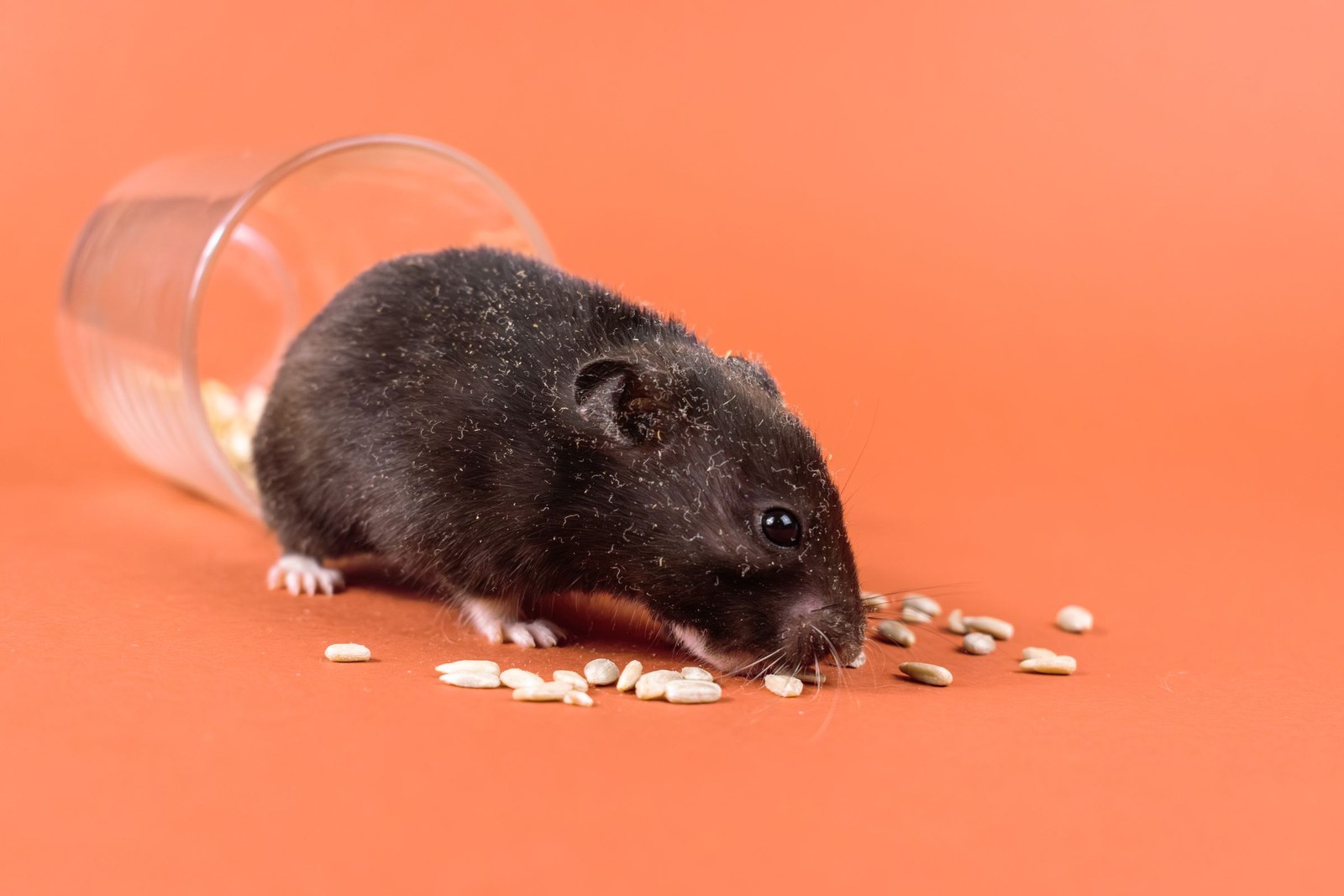
Yes, it is entirely possible — and the early signs are usually behavioral rather than visible. Drooling, a persistently wet chin, dropping food, chewing on one side, eating more slowly, or quietly losing weight all suggest your chinchilla's or hamster's teeth may be overgrown or misaligned. Because these animals' teeth grow continuously throughout life, even a small alignment problem can snowball, so any of those changes deserves a prompt vet visit rather than a wait-and-see approach.
Why small mammal teeth go wrong
Chinchillas and hamsters are built to wear their teeth down through constant chewing and grinding. Incisors — the front teeth you can see — grow nonstop, and so do the molars hidden at the back of the jaw. Trouble starts when teeth do not meet evenly: a slight jaw misalignment, a knock, or a diet too low in abrasive material lets one tooth grow longer than its partner, and the grinding action that normally keeps everything level starts working unevenly too. Chinchillas are especially prone to problems in the back teeth, where elongated roots can cause pain you cannot see from outside at all.
Signs to watch for at home
You will rarely spot an overgrown molar yourself, so watch what your pet does instead:
- "Slobbers" — a wet, matted chin and chest, classic in chinchillas
- Approaching food eagerly, then dropping it or walking away
- Chewing slowly, tilting the head, or favoring soft foods over hard ones
- Weight loss you can feel as a more prominent spine or hips
- Reduced droppings, or smaller droppings than usual
- In hamsters, pouching less food or pawing at the mouth
Weighing your pet weekly on a kitchen scale is one of the simplest early-warning systems there is — a downward trend often appears before obvious eating changes.
What you can safely check — and what to leave alone
You can gently look at the front incisors: they should be even in length, meet cleanly, and not be curling sideways or into the mouth. That is where home checks end. Never attempt to trim teeth yourself, and never try to open the jaw wide to inspect the molars — you can injure the jaw, crack a tooth below the gumline, or cause a painful fracture that makes the original problem far worse. Checking the back teeth properly requires a vet's instruments, a trained hand, and sometimes sedation.
Prevention: hay, chews, and honest routine
For chinchillas, unlimited grass hay is the single most important dental tool — the long chewing motion grinds the molars down. Hamsters need a quality diet plus safe chew items such as untreated wood chews or cardboard to work their incisors. Replace chews as they are destroyed, and note what your pet actually uses: a chinchilla who ignores hay or a hamster who stops chewing is telling you something.
This is where KinsLe's Pet Passport quietly earns its keep. The Pet Passport is your pet's records packet — vaccines, medications, allergies, and documents in one place — and it is shareable with vets and sitters. Keeping your notes on hay intake, favorite chews, weekly weights, and past dental findings in that packet means a new or emergency vet sees your pet's full dental routine and history immediately, rather than starting from your memory in a stressful moment. Store the weekly weight trend alongside hay and chew notes inside the Pet Passport file on KinsLe, giving any examining veterinarian your pet's earlier dental findings at once.